

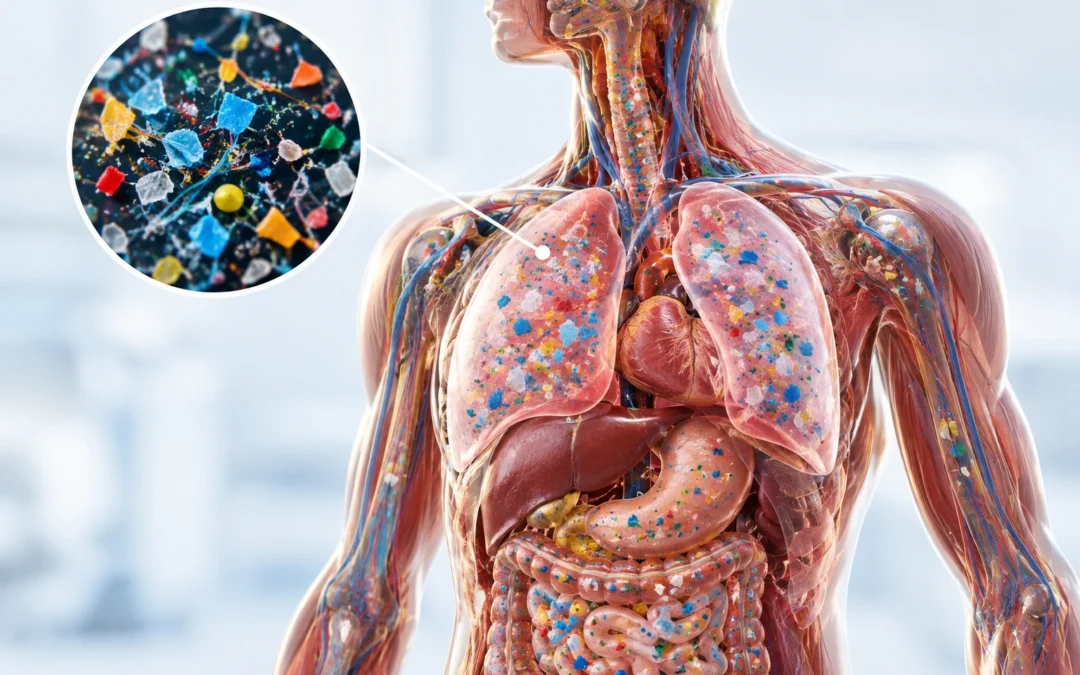
Right now, there isn’t enough direct evidence to say microplastics cause cancer in humans, and the American Cancer Society is upfront about that gap. What’s actually pushing this conversation forward is a handful of genuinely striking findings, not proof of cause and effect, but signals hard to ignore. A 2026 pilot study out of NYU Langone found microplastic particles in 90 percent of prostate cancer tumors, at roughly two and a half times the concentration found in nearby healthy tissue. That’s the kind of finding that raises real questions without answering them.
Dr. Sandeep Nayak, known for the Best Cancer Treatment in Bangalore, describes this as one of the more honest gray areas in oncology right now. “If a patient asks me whether microplastics gave them cancer, the truthful answer is we don’t know, and we’re not close to proving that either way. What we do know is that microplastics can trigger chronic inflammation and oxidative stress, the kind of biological processes that can precede cancer. That’s biological plausibility, not proof.”
Curious how this fits into your own risk picture?
What the Research Actually Shows So Far?
The evidence sits somewhere between concerning and inconclusive, and it’s worth being specific about which is which:
- The NYU Langone prostate cancer study found microplastics in 90 percent of tumor samples and 70 percent of benign tissue nearby, with notably higher concentrations inside the cancerous tissue
- Microplastics have also been detected in human blood, brain tissue, placentas, and various tumor types beyond prostate cancer, showing how widespread the exposure already is
- Leading epidemiologists have been direct about the current limits, noting there’s no credible evidence yet that microplastics actually cause cancer, only that the biological mechanisms exist for it to be plausible
- Federal research agencies have committed significant funding toward studying this specifically, since the current evidence isn’t strong enough to draw conclusions either way
None of these findings prove causation. Detecting more plastic in cancerous tissue than healthy tissue is a real observation, but it doesn’t tell you whether the plastic contributed to the cancer or simply accumulated there for other reasons.
Why This Keeps Coming Up in Conversations About Rising Cancer Rates?
Why Choose MACS Clinic for Cancer Risk Guidance Grounded in Current Evidence?
Dr. Sandeep Nayak’s team stays current with emerging research like this without overstating what it actually shows, discussing genuine, well-established risk factors alongside honest acknowledgment of where the science on newer concerns like microplastics still stands.
Want to discuss your own cancer risk factors based on what’s actually proven? Reach the team at +91 9482202240.
FAQs
Should I be worried about microplastics causing cancer specifically?
Concerned enough to reduce unnecessary exposure where practical, yes, but not to the point of panic. Direct proof of a cancer link in humans simply doesn’t exist yet.
Can I reduce microplastic exposure in daily life?
Some exposure can be reduced, avoiding heated plastic containers and certain packaged foods, for instance, though eliminating exposure entirely isn’t realistic given how widespread microplastics already are.
Why do researchers find more microplastics in tumors than healthy tissue?
That’s genuinely unclear right now, it could reflect a contributing role, or simply that plastic particles accumulate more easily in certain tissue types regardless of cancer.
Is this research likely to produce clearer answers soon?
Federal funding is now going specifically toward this question, but definitive human causation studies typically take years, this isn’t likely to be settled quickly.
References
- Nature Medicine (2025) — Health impacts of microplastic and nanoplastic exposure
Nature Medicine review - PubMed — Microplastics, plastics and cancer: pooled analysis
PubMed: Microplastics, plastics, and cancer
Disclaimer:This content is published for educational and informational purposes only.