

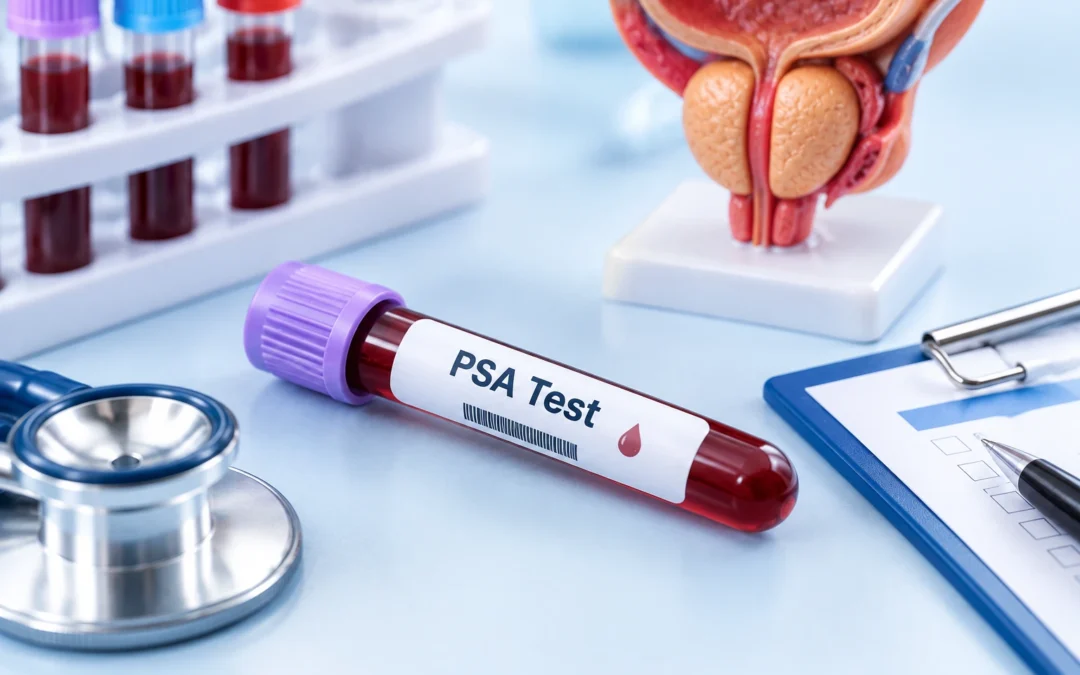
Yes, generally, for men between 50 and 69 or anyone at higher risk, though it genuinely needs to come with an honest conversation with a doctor first, not just a routine tick on a checkup form. The test itself is simple, a blood draw measuring a protein the prostate gland produces, prostate-specific antigen, PSA for short. What’s complicated isn’t the test, it’s what to do with a result that isn’t perfectly clear, since PSA can rise for reasons that have nothing to do with cancer at all.
Dr. Sandeep Nayak, known for the Best Cancer Treatment in Bangalore, doesn’t treat this as a simple yes-or-no recommendation for every man who walks in. “The test isn’t the problem, it’s cheap, quick, and genuinely useful. The problem is what happens after a borderline result, more tests, sometimes a biopsy, and real anxiety, for a cancer that in a lot of men would never have caused a problem in their lifetime. That’s exactly why this needs a real conversation, not a default yes for everyone over fifty.”
Wondering whether PSA testing makes sense for you specifically?
Why This Isn't a Simple Yes for Everyone?
The case for PSA testing is real, but so is the case for being selective about who actually needs it, and both sides deserve equal weight:
- Men between 50 and 69 see the clearest benefit, since this is the age range where prostate cancer becomes common enough that catching it early genuinely changes outcomes for a meaningful number of them
- Men with a family history of prostate cancer, particularly a father or brother diagnosed young, or those carrying certain genetic mutations, fall into a higher-risk group where testing tends to start earlier and matter more
- An elevated PSA doesn’t mean cancer, conditions like an enlarged prostate or a simple infection can push the number up just as easily, and that ambiguity is exactly what leads to unnecessary biopsies in men who never had cancer to begin with
- A lot of prostate cancer grows slowly enough that some tumors found through screening would genuinely never have caused symptoms or shortened a man’s life, which is the heart of the overdiagnosis debate that’s kept this test controversial for years
None of these points cancel each other out. They’re exactly why this decision gets made person by person rather than through a blanket rule.
What an Informed Conversation With Your Doctor Should Actually Cover?
Why Choose MACS Clinic for Prostate Cancer Screening and Care?
Dr. Sandeep Nayak’s team at MACS Clinic walks through actual risk factors, age, family history, and genetic background, before recommending a PSA testing schedule, rather than applying a blanket protocol to every patient regardless of their individual situation. When a result does come back elevated, the next steps get explained clearly before any decision is made, so patients understand exactly what a repeat test, an MRI, or a biopsy would actually involve and why it’s being suggested. For men who do receive a prostate cancer diagnosis, the same careful, individualized approach carries through into treatment planning, since not every case calls for the same path forward.
Considering PSA testing or have questions about a recent result? Reach the team at +91 9482202240.
FAQs
When's the right time to start PSA testing?
Around 50 is typical for most men, but if there’s a strong family history or a known genetic risk in the picture, doctors often push that up to 40 or 45 instead.
Does a high PSA number automatically mean cancer?
Not even close. An enlarged prostate or a plain infection can push that number up just as easily, which is exactly why doctors dig further before jumping to conclusions.
Am I allowed to just skip PSA testing?
Sure, it’s your call to make alongside your doctor. It really comes down to weighing the upside of catching something early against the hassle and worry a false alarm can bring.
Does an abnormal PSA mean a biopsy is coming next?
Not necessarily. Doctors usually try a repeat test or an MRI first, and a biopsy only enters the picture if those still point toward something worth checking.
References
-
American Urological Association/Society of Urologic Oncology – PSA Screening Guideline
AUA/SUO Early Detection of Prostate Cancer Guideline -
U.S. Preventive Services Task Force – Prostate Cancer Screening
USPSTF Prostate Cancer Screening Recommendation
Disclaimer:This content is published for educational and informational purposes only.