
Childhood is a phase of development, learning, and discovery. A cancer diagnosis during these years can be challenging for children and their families. However, advances in detection and treatment of cancer have improved outcomes for many young patients.
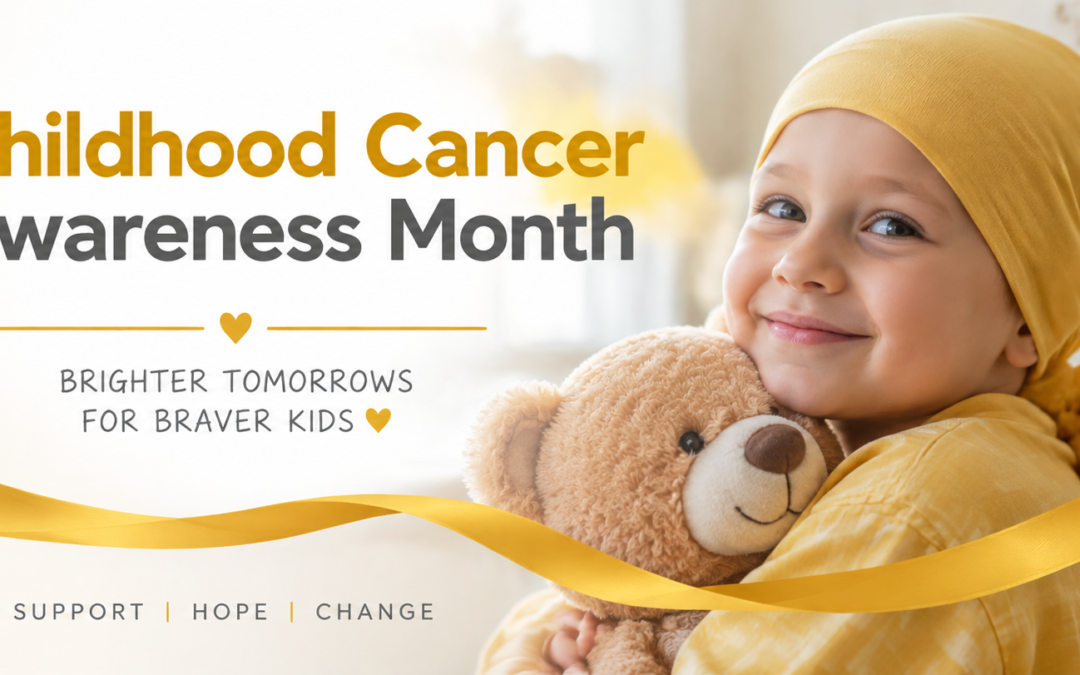
Childhood Cancer Awareness Month, observed in September, aims to raise awareness about childhood cancers, encourage recognition of early signs, and highlight the importance of access to specialized cancer care. The campaign also aims to support families and educate them about childhood cancer treatment.
Dr. Sandeep Nayak, a prominent oncologist in Bangalore, shares, “Children who have cancer need a careful approach that considers treatment and also their future quality of life. Early identification of the symptoms and specialist evaluation can help significantly in their treatment journey.”
Dr. Sandeep Nayak is a surgical oncologist with extensive experience providing specialized cancer treatment in Bangalore using innovative, minimally invasive methods. At MACS Clinic, Dr. Nayak and his expert team offer comprehensive evaluation and customized treatment plans.
Why Childhood Cancer Awareness Matters
Childhood cancer is uncommon compared to adult cancers, which means symptoms may sometimes be overlooked or mistaken for routine childhood health issues. Increased awareness helps parents, caregivers, and healthcare providers recognize concerning changes earlier.
Awareness initiatives help by:
- Improving understanding of childhood cancer symptoms
- Encouraging timely medical evaluation
- Supporting children and families affected by cancer
- Promoting access to specialized treatment
- Encouraging research and advances in cancer care
Unlike many adult cancers, childhood cancers are usually not linked to lifestyle factors. They often develop due to genetic changes that affect normal cell growth.
Raising awareness helps reduce delays in diagnosis and ensures children receive appropriate care when needed.
Why does early detection matter in childhood cancer? Let’s discover how timely diagnosis can influence treatment decisions and outcomes.
The Connection Between Early Detection and Childhood Cancer Outcomes

Many childhood cancer symptoms resemble common illnesses at first glance. That’s part of what makes this tricky — but any persistent symptom that feels unusual or keeps getting worse should be evaluated by a medical professional.
Early detection can help doctors:
- Identify the type and extent of cancer sooner
- Begin appropriate treatment at the right time
- Plan personalized treatment strategies
- Reduce complications associated with delayed diagnosis
The treatment approach depends on factors such as the type of cancer, stage of disease, child’s age, and overall health.
Early evaluation can help identify concerns before they become more complicated. Connect with a specialist to understand symptoms and available care options.
Which symptoms should parents pay attention to? Let’s explore common signs that may require further evaluation.
Symptoms That May Require Medical Attention in Children
Most childhood symptoms are caused by conditions other than cancer. However, persistent or unexplained changes should be assessed.
Possible warning signs include:

Recognizing these signs does not mean a child has cancer, but timely evaluation can provide clarity.
How does childhood cancer differ from cancer in adults? Let’s understand the key differences.
What Makes Childhood Cancer Different From Adult Cancer?
Childhood and adult cancers aren’t really the same. Here’s how they differ:
- Different Causes
Most cases in children aren’t linked to lifestyle habits. Instead, they tend to result from genetic changes that affect cell development.
- Different Cancer Types
Children are more likely to develop cancers like leukemia, brain tumors, neuroblastoma, and sarcomas — a different lineup compared to the cancers adults typically face, which are often linked to aging or environmental exposure.
- Different Treatment Considerations
Because children are still growing and developing, treatment has to consider more than just fighting the cancer — long-term health and quality of life matter just as much.
- Need for Specialized Care
Managing childhood cancer requires expertise from a multidisciplinary team familiar with the unique needs of young patients.
How has childhood cancer treatment evolved? Let’s explore the progress that has improved outcomes for young patients.
Advances in Childhood Cancer Care

Advances in cancer care have transformed childhood cancer treatment over the years.
- Improved Diagnosis
Modern imaging, molecular testing, and advanced laboratory techniques help doctors identify cancers more accurately.
- Personalised Treatment
Instead of one-size-fits-all protocols, plans are increasingly tailored to the cancer’s genetic profile and the individual patient’s needs.
- Advanced Surgical Techniques
Where surgery is needed, the goal now is precision — removing the tumor while preserving functions that matter for a growing child.
- Better Supportive Care
Nutrition, physical rehabilitation, pain management, and mental health support all play into recovery, not just the treatment itself.
- Multidisciplinary Approach
Childhood cancer care involves collaboration between oncologists, surgeons, radiologists, pathologists, and supportive care specialists.
Advances in cancer care continue to improve outcomes for children with cancer. Speak with an expert to learn about personalized treatment options and supportive care approaches.
How Childhood Cancer Awareness Month Helps Create Change
Every September, this awareness campaign does something fairly simple. It gets people talking about childhood cancer again, and about why detecting it early matters so much.
The month helps create change by:
- Helping parents and caregivers stay informed
- Standing by children and families going through treatment
- Fuelling research and innovation in care
- Making timely treatment more accessible
- Clearing up misconceptions people often have about childhood cancer
Awareness is an important step towards ensuring children receive appropriate care and support when they need it most.
Conclusion
Childhood Cancer Awareness Month reminds us of the importance of recognizing early signs, seeking timely medical advice, and supporting children affected by cancer. While a childhood cancer diagnosis can be challenging, advances in diagnosis, treatment, and supportive care have improved outcomes for many young patients.
Having the right specialists and facilities involved makes a real difference here. At MACS Clinic, Dr. Sandeep Nayak brings together thorough evaluation, advanced treatment methods, and a genuinely compassionate approach for patients and their families.
For anyone looking for a cancer specialist in Bangalore, a timely consultation—and a coordinated plan — can change how things unfold.
FAQs
Why is early detection important in childhood cancer?
Early detection helps doctors identify cancer sooner and start appropriate treatment planning earlier.
What are the warning signs of childhood cancer?
Signs may include persistent fever, unexplained weight loss, unusual lumps, ongoing pain, fatigue, and changes in vision or movement.
Is childhood cancer preventable?
Not really, in most cases. It is usually caused by genetic changes rather than lifestyle factors.
Can childhood cancer be treated successfully?
Yes, many childhood cancers respond well to treatment — especially when caught early and managed with the right care.
Does childhood cancer affect only young children?
No — it can occur in infants, children, and teenagers alike.
References:
https://www.stjude.org/get-involved/other-ways/childhood-cancer-awareness-month.html
https://www.who.int/news-room/fact-sheets/detail/cancer-in-children
Disclaimer: The information shared in this content is for educational purposes and not for promotional use.