


To check three things: whether the cancer has come back, how well the treatment worked, and whether treatment has left any lasting damage. That is the short answer. The longer one is that scans are not automatic for everyone. For some cancers, regular imaging catches a return early and changes what is done. For others, a clinical examination and blood tests tell the team just as much, and extra scans only add radiation, cost and anxiety. So the plan is built around the cancer type, the stage and how the person is feeling, not around a fixed routine.
Dr. Sandeep Nayak, Surgical Oncologist at MACS Clinic, Bangalore, says patients often assume more scanning is always safer. “People want a scan every few months because it feels like reassurance. Sometimes it is useful. Sometimes it picks up small, harmless changes that lead to more tests and a lot of worry without helping anyone. We decide which scans are worth doing for each cancer, and we tell people what symptoms should bring them in sooner than the schedule says.”
Regular follow-up scans help monitor treatment response, detect cancer recurrence, and assess recovery after treatment. Understand why follow-up imaging matters and how it supports long-term cancer care.
Cancer Follow-Up Scans: What Are They Looking For?
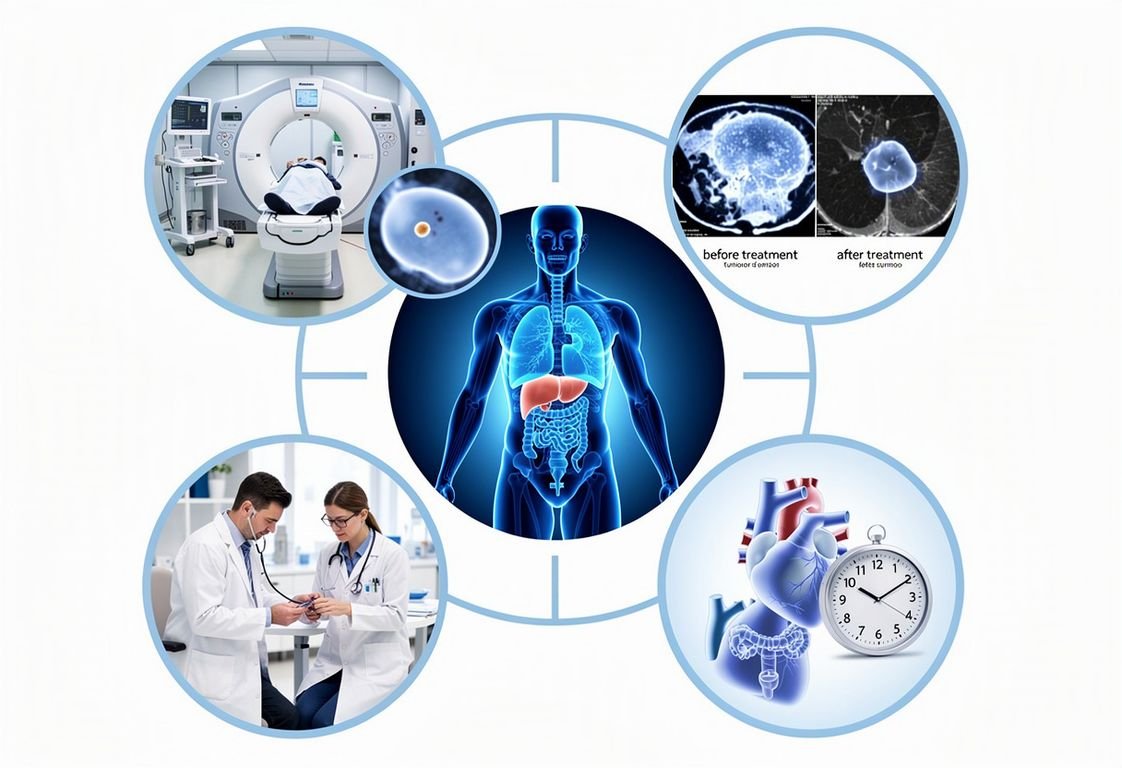
Cancer follow-up scans serve a few separate purposes, and it helps to know which one applies to you.
- Checking whether the cancer has returned. Some cancers tend to come back in predictable places. A scan of the chest, abdomen or pelvis at set intervals can find a return while it is still small enough to treat. This is the reason most people think of, and it matters most where a second round of treatment is likely to help.
- Judging how well treatment worked. The first scan after chemotherapy, radiation or immunotherapy compares the tumour with the baseline. Our blog on what happens if cancer doesn’t respond to chemotherapy explains how the team reads those results and what changes if the response is poor.
- Watching for late effects. Some treatments can affect the heart, lungs, bones or thyroid years later. Imaging, along with blood tests, can pick up these changes early.
- Investigating new symptoms. A new pain, a persistent cough or unexplained weight loss may lead to a scan outside the schedule. Symptoms often matter more than the calendar.
Imaging After Cancer Treatment: Which Scan, and How Often?

Imaging after cancer treatment is not one test. The choice depends on what the team is looking for.
A CT scan is the most common, because it shows the chest and abdomen quickly and in detail. MRI gives finer detail in the brain, liver, pelvis and soft tissues, with no radiation. Ultrasound is useful for the breast, thyroid and liver and carries no radiation either. A PET scan shows metabolic activity and is used selectively, often to clarify an unclear result. Our blog on PET scan vs CT scan explains how those two differ.
Timing varies too. Many plans are closest together in the first two to three years, when return is most likely, then spread out. Some cancers need scans every three to six months at first. Others, such as many early breast and prostate cancers, rely mainly on examination and blood tests, with imaging only if something changes.
The aim is to scan when the result could change the plan. Our blog on tumour markers covers the blood tests that often go alongside.
What Determines the Right Follow-Up Plan?
The team looks at several things together, and each carries real weight.
- The type and stage of cancer. A cancer with a known pattern of return, such as certain bowel or lung cancers, usually has a clearer scan schedule than one where scanning has not been shown to help. Higher stages generally mean closer watching.
- The treatment you received. Surgery alone, surgery with chemotherapy and radiation each leave a different risk profile. Margins and lymph node findings from the operation feed into how closely you are followed.
- Biology of the tumour. Precision oncology results, such as certain gene changes, can mark a cancer as more likely to return, which may justify closer imaging or newer blood-based tests.
- Your symptoms and health. If you feel well and examinations are normal, fewer scans may be needed. New symptoms change that at once.
- Radiation exposure and practicalities. Repeated CT scans add up in radiation, so doctors weigh benefit against dose, especially in younger patients. Cost, access and anxiety about results are real factors too.
- Your preferences. Some people cope better knowing a scan is booked, while others find each one distressing. A good plan talks about this openly.
Key Takeaways
- Follow-up scans after cancer treatment check for recurrence, measure treatment response and watch for late effects.
- Not every cancer or survivor needs routine scans. The benefit depends on diagnosis, stage and symptoms.
- Scans are most useful when the result could change what is done next.
- The schedule is usually closest in the first few years and then spreads out.
- New symptoms may need a scan sooner than planned, so report them early.
- Questions about your own follow-up plan? The clinic’s number is +91 9482202240.
Frequently Asked Questions
1.Are follow-up scans always needed after cancer treatment?
No. For some cancers, examination and blood tests are enough, and extra scans add little. Your team will explain which applies to you.
2.Can scans cause harm?
CT scans use a small amount of radiation, and repeated scans add up. MRI and ultrasound use none. The team weighs benefit against dose.
3.What if a scan shows something unclear?
It often turns out to be harmless, such as scarring or inflammation. A repeat scan, a PET scan or a biopsy may be used to clarify.
4.Should I ask for extra scans if I feel anxious?
Talk to your team first. More scans do not always give more reassurance and can create further worry.
Disclaimer
This content is published for educational and informational purposes only.