
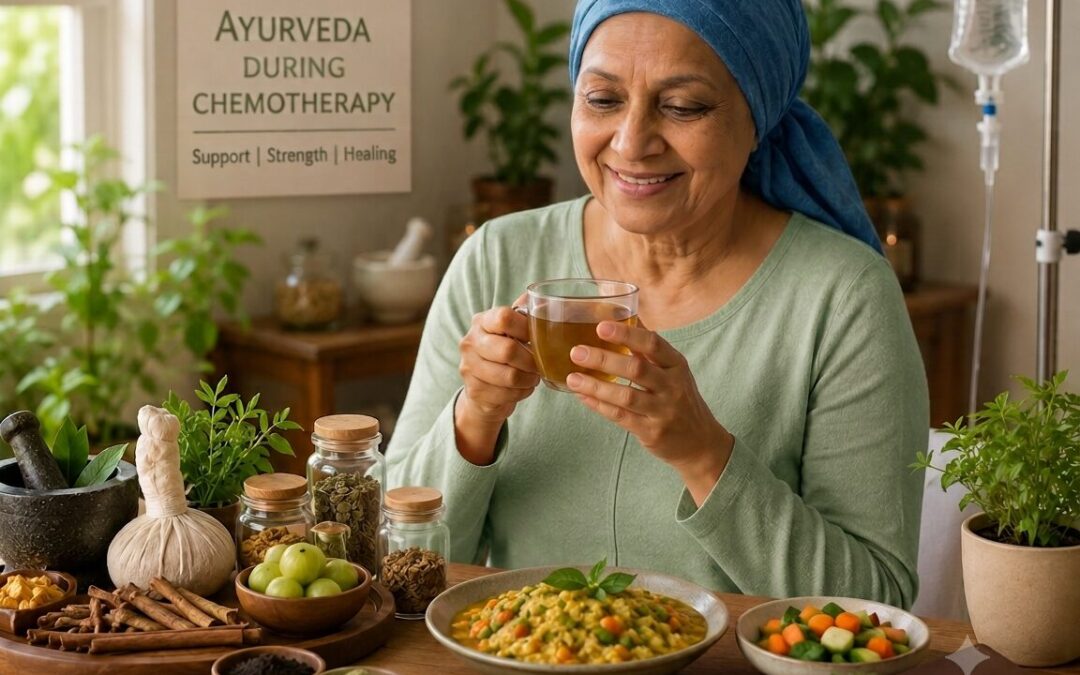
Depends on what exactly is being taken. Some ayurvedic herbs genuinely help with chemotherapy side effects nausea, fatigue, nerve pain and carry a low risk of causing problems. Others work against the treatment without the patient realising it. Not because ayurveda is harmful as a system, but because certain herbs change how the body processes chemotherapy drugs. The drug ends up at the wrong concentration, too little to work or too much to be safe, and the treatment suffers. Most patients don’t mention what they’re taking because something natural feels harmless. That’s exactly where the risk sits.
Dr. Sandeep Nayak, who provides Cancer Treatment in Bangalore, says it directly: “Patients assume natural means are safe. That’s the mistake. Some herbs sit quietly alongside chemotherapy without causing problems. Others change how the drug behaves in the body entirely. We’ve seen patients whose treatment wasn’t working the way it should, and when we dug into it, something they were taking without telling us was part of the reason. That conversation needs to happen before the supplements start, not after.”
Taking ayurvedic supplements alongside cancer treatment and want to discuss what’s safe?
What Ayurvedic Herbs or Practices Are Considered Safer During Chemo?
Not everything needs to stop. Several ayurvedic approaches sit comfortably alongside chemotherapy when the oncologist knows about them and the doses are sensible.
Ginger: Probably the most well-supported natural option for chemotherapy nausea. Ginger tea, fresh ginger in food, standard ginger supplements all generally fine at normal amounts and can work alongside prescribed anti-nausea medication rather than against it. High-dose ginger capsules are a separate conversation that needs oncologist input.
Turmeric in Cooking: Putting turmeric in food is fine. The anti-inflammatory properties are real and there’s no meaningful interaction risk from culinary use. The problem starts with concentrated curcumin supplements at therapeutic doses, which is an entirely different situation from what ends up in a dal or curry.
Ashwagandha: Some evidence points toward it helping with fatigue and stress during treatment. It also has immune-modulating effects that are being studied in oncology. Not universally safe across all chemotherapy protocols though this one specifically needs to be discussed before starting.
Yoga and Pranayama: No drug interaction risk here at all. Gentle yoga during chemotherapy has real evidence behind it for fatigue and anxiety. Our blog on is exercise safe during chemotherapy covers how physical activity fits into treatment.
Ayurvedic Dietary Principles: Eating warm, easily digestible food, avoiding raw or heavy meals, keeping meal timing regular this maps reasonably well onto what oncology dieticians already recommend during chemotherapy. Our diet counselling team works around cultural food preferences rather than replacing them with a generic plan.
What Ayurvedic Preparations Are Risky During Chemotherapy?
This is the side of the conversation that matters most clinically.
St John’s Wort: Not traditionally ayurvedic but widely available in herbal supplement form and sometimes recommended in complementary health contexts. It is one of the most well-documented herb-drug interaction risks in oncology. It strongly induces CYP3A4 liver enzymes, which metabolise many chemotherapy drugs including irinotecan, imatinib, and several targeted therapy agents. Taking it alongside these drugs reduces drug blood levels significantly, directly undermining treatment. Our blog on immunotherapy vs targeted therapy covers how drug concentrations in the body determine whether targeted agents work as intended — exactly what St John’s Wort disrupts.
High-Dose Curcumin Supplements: At supplement doses far above culinary use, curcumin inhibits certain drug-metabolising enzymes. Depending on the chemotherapy agent, this can increase drug toxicity or reduce effectiveness. The evidence on this is mixed but the interaction risk is real enough that high-dose curcumin supplementation during active chemotherapy needs to be cleared with the oncologist rather than assumed safe.
Kalonji Oil and Certain Herbal Combinations: Black seed oil and several multi-herb ayurvedic formulations contain compounds that affect liver enzyme activity and platelet function. During chemotherapy when platelet counts are already suppressed, anything that further affects platelet function or bleeding risk needs to be flagged. This is where precision oncology and detailed treatment review at MACS Clinic helps — knowing exactly which drugs a patient is on makes it possible to assess which supplements genuinely create risk.
Triphala in High Doses: Triphala has laxative properties that at high doses can worsen diarrhoea, which is already a significant side effect of several chemotherapy regimens including those used for colorectal cancer. Moderate use may be fine but it needs oncologist awareness. Our blog on can cancer patients eat non-vegetarian food during chemotherapy covers the broader picture of what goes into the body during treatment and why all of it matters.
Unknown Formulations: Multi-ingredient ayurvedic preparations from non-standardised sources carry an additional layer of risk because the actual content and dose of active compounds can vary significantly between batches. Without knowing what’s in a formulation at what concentration, predicting drug interactions isn’t possible.
Why Choose MACS Clinic for Integrative Cancer Care?
Dr. Sandeep Nayak’s team at MACS Clinic doesn’t dismiss complementary approaches. The conversation about what a patient is taking or considering happens as part of the treatment discussion, not separately. Herb-drug interactions are assessed based on the specific chemotherapy protocol the patient is on, not a generic list of what’s safe or unsafe for all cancer patients.
Precision oncology at MACS Clinic means treatment decisions are built around the individual patient’s biology and circumstances. What goes into the body alongside chemotherapy is part of that picture. Patients who want to continue ayurvedic practices during treatment can have an informed conversation about what’s compatible with their specific protocol rather than being told to stop everything or told everything is fine. Those who want to discuss their current supplements or complementary approaches can reach the team at +91 9482202240.
FAQs
Can ayurvedic herbs interfere with chemotherapy drugs?
Some absolutely can. The mechanism is usually the liver — certain herbs disrupt the enzymes that break down chemotherapy drugs, which changes how much of the drug the body actually gets. Too little and the treatment underperforms. Too much and toxicity becomes a real problem.
Is turmeric safe during chemotherapy?
In food, generally yes. The curcumin you get from cooking with turmeric is a very different thing from taking high-dose curcumin capsules daily. The supplement form at therapeutic doses is what creates interaction risk and that needs a conversation with the oncologist before continuing.
Should I tell my oncologist what ayurvedic supplements I'm taking?
Without question. A lot of people don’t because they assume herbal means harmless and doesn’t count as medication. Some of the more serious herb-drug interactions in cancer treatment come from things patients didn’t think were worth mentioning.
Can ayurveda actually help with chemo side effects?
Certain things do help. Ginger for nausea is probably the best supported example. Gentle yoga for fatigue and anxiety has real evidence behind it. The problem isn’t ayurveda — it’s taking things without the treating team knowing, because compatibility depends on the specific drugs being used.
Disclaimer: This content is published for educational and informational purposes only.