
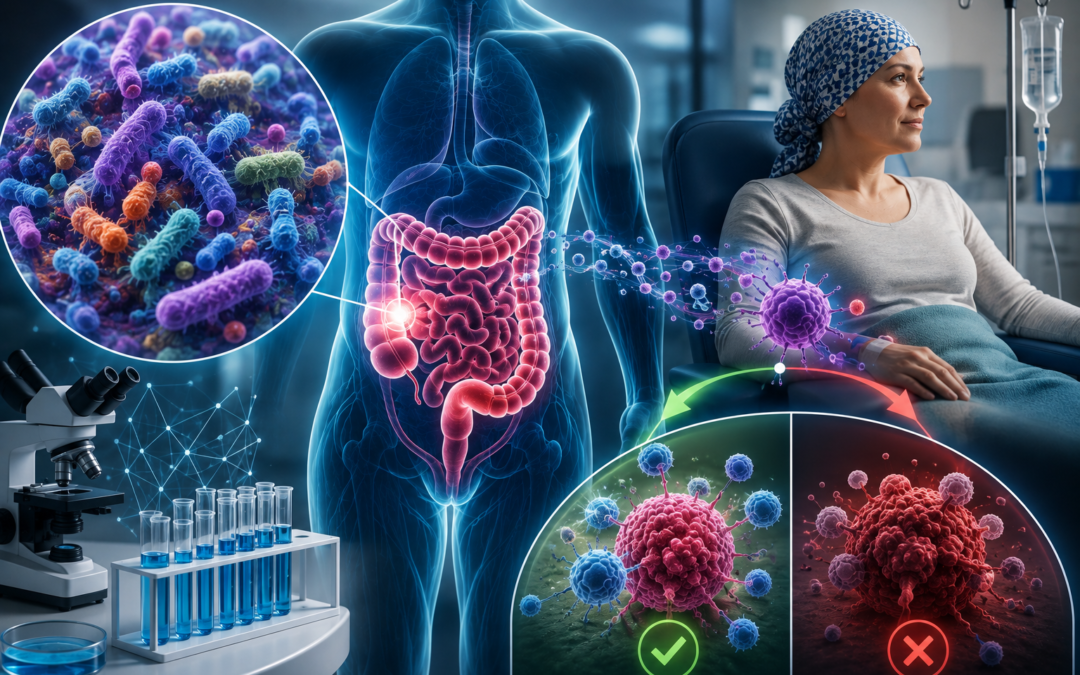
Yes, and this is one of those areas where science has moved fast in a short time. The bacteria living in the gut don’t just sit there quietly, they actually influence how the body responds to certain cancer drugs and how badly side effects hit. Some patients tolerate chemotherapy or immunotherapy noticeably better than others, and part of that difference, not all of it, but part, traces back to what’s going on in their gut.
Dr. Sandeep Nayak, Best Cancer Treatment in Bangalore, follows this research closely. “This isn’t fringe science anymore. Immunotherapy response in particular has been linked pretty strongly to gut bacterial diversity in multiple studies. Patients with a richer, more varied gut microbiome tend to respond better to certain checkpoint inhibitors. We’re not at the point of prescribing specific bacteria yet, but the connection is real enough that it’s changing how researchers think about supportive care.”
Curious how gut health might connect to your own treatment plan?
How Does the Microbiome Influence Cancer Treatment?
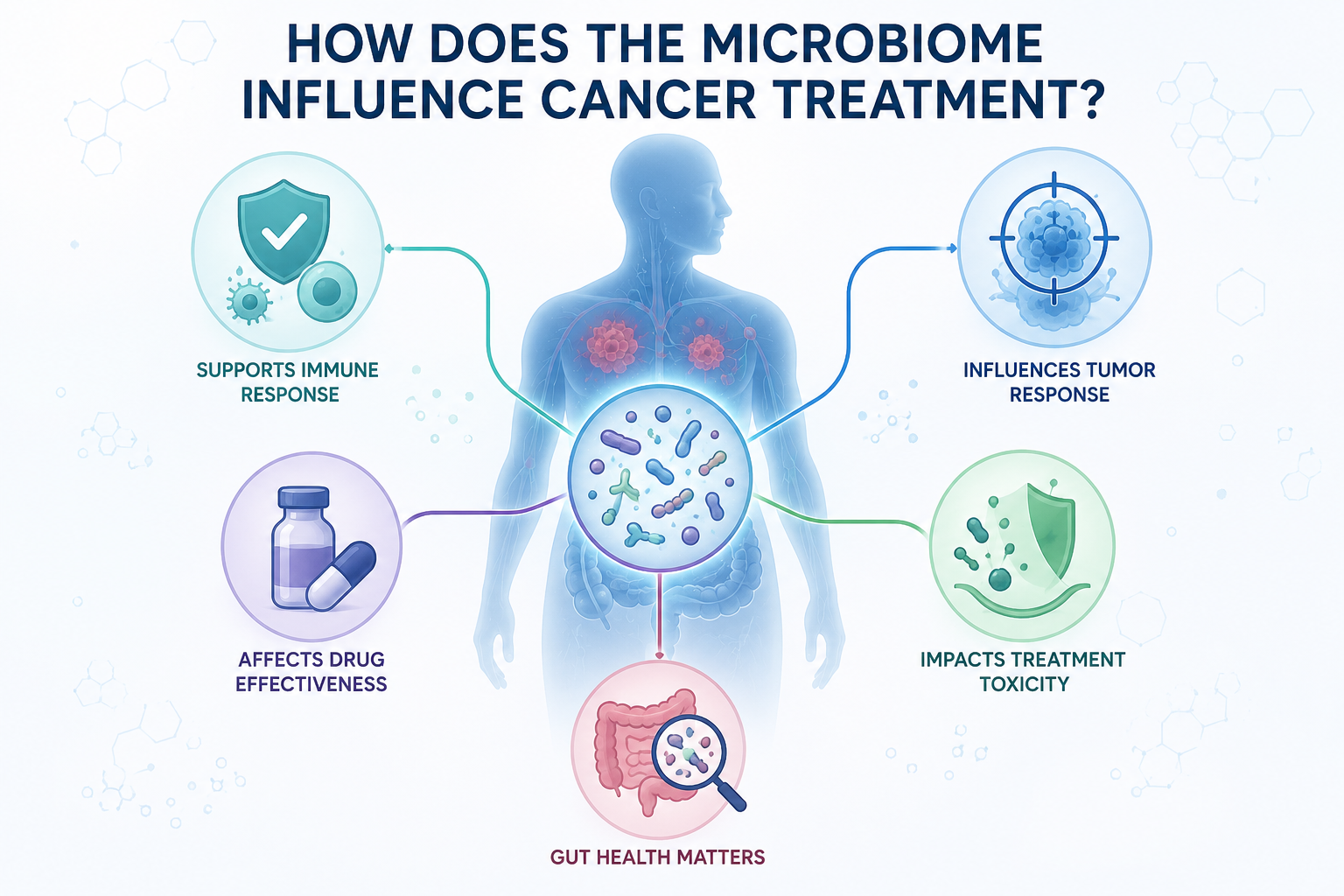
- Immunotherapy: Certain gut bacteria may enhance immune response and improve the effectiveness of checkpoint inhibitors.
- Chemotherapy side effects: Microbiome imbalance may increase diarrhea, mucositis, and other treatment-related digestive problems.
- Antibiotics: Broad-spectrum antibiotics can disrupt beneficial bacteria and may reduce immunotherapy effectiveness when used around treatment.
- Drug metabolism: Gut bacteria can modify or break down certain drugs, potentially affecting their absorption, efficacy, and toxicity.
What Can Patients Do About the Microbiome?
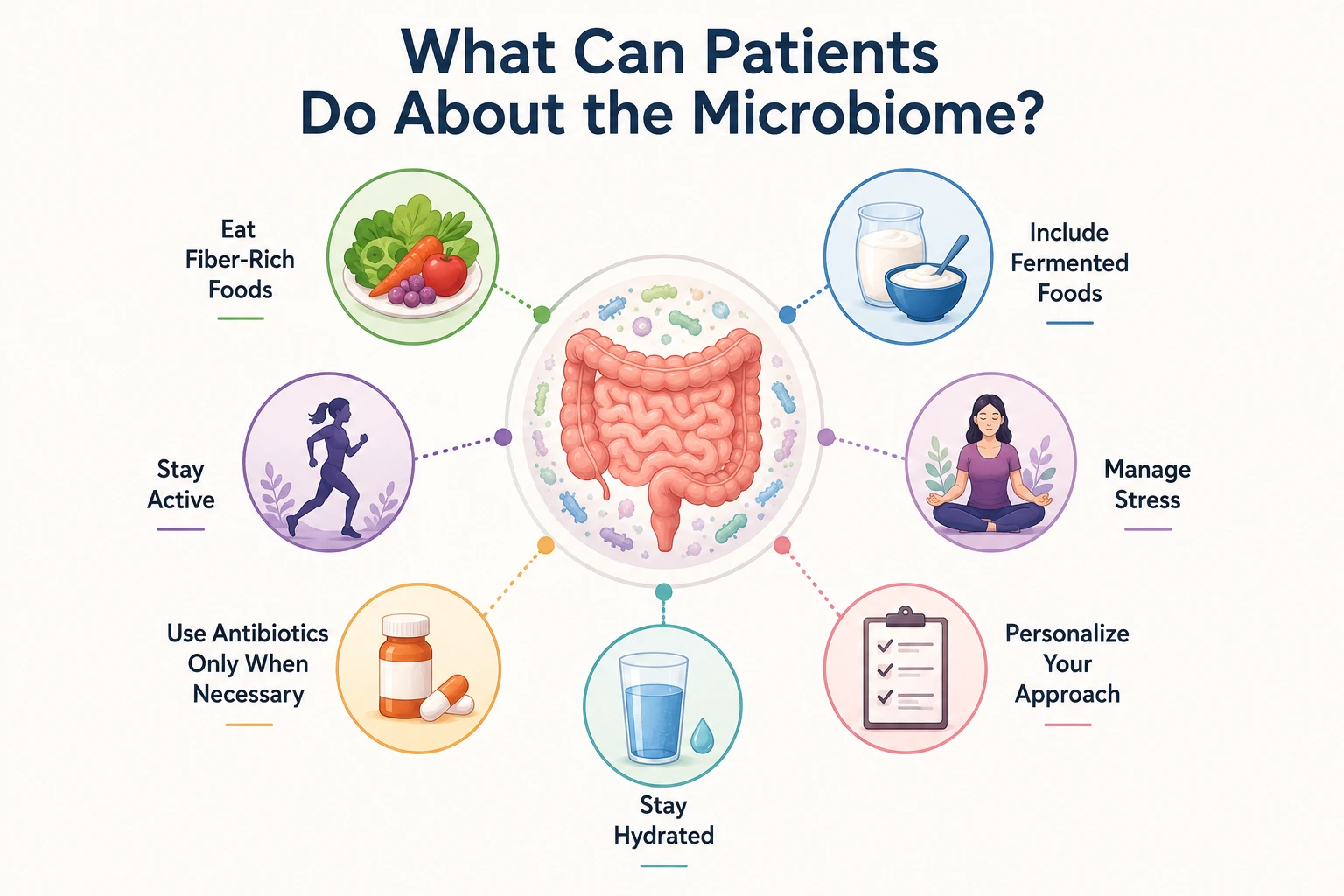
- Focus on diet: A varied, fiber-rich diet is generally linked with a healthier gut microbiome and may support better treatment tolerance.
- Be cautious with probiotics: Over-the-counter probiotics are not yet proven to improve cancer treatment outcomes and may not be appropriate for every patient.
- Discuss changes with your oncologist: Supplements or major dietary changes during treatment should be guided by the treating team. Read “Should Cancer Patients Take Supplements During Treatment?” for more information.
- Emerging treatments: Fecal microbiota transplants and targeted bacterial therapies are being studied, but they remain experimental and are not yet standard cancer care.
Why Choose MACS Clinic for Evidence Based Supportive Care?
Dr. Sandeep Nayak’s team at MACS Clinic stays current with emerging research like this, without jumping ahead of what the evidence actually supports. Supportive care conversations, including questions about diet, supplements, and how they interact with active treatment, happen as part of the broader care plan rather than being left for patients to figure out alone.
For patients managing chemotherapy or immunotherapy side effects, diet counselling is available to address what’s genuinely helpful without adding unproven interventions into the mix.
FAQs
Should I take probiotics during chemotherapy?
Not without checking first. While the microbiome connection is real, over the counter probiotics aren’t proven to improve outcomes, and in some cases, particularly with compromised immunity, they may carry risk rather than benefit.
Does taking antibiotics during cancer treatment always hurt outcomes?
Not always, antibiotics are sometimes medically necessary and that need outweighs the microbiome concern. But unnecessary or prolonged antibiotic use, especially close to starting immunotherapy, is worth discussing with your oncologist.
Is there a specific diet proven to improve treatment response?
Not a single proven diet, no. General principles like fiber intake and variety are associated with a healthier gut, but no specific eating plan has been definitively shown to improve cancer treatment outcomes on its own.
Will fecal transplants become a standard cancer treatment?
Possibly, eventually, but this remains experimental and confined largely to clinical trials right now. It’s an active area of research, not something available as standard care yet.
Reference Links
Nature Reviews Clinical Oncology – Exploiting bacteria for cancer immunotherapy
Detailed review of how bacteria and the microbiome may influence cancer immunotherapy.
Nature Reviews Clinical Oncology article
PubMed – Gut microbiome and cancer immunotherapy
Reviews evidence connecting gut microbiota with chemotherapy, radiotherapy and immunotherapy outcomes.
PubMed reference
Disclaimer:This content is published for educational and informational purposes only.