
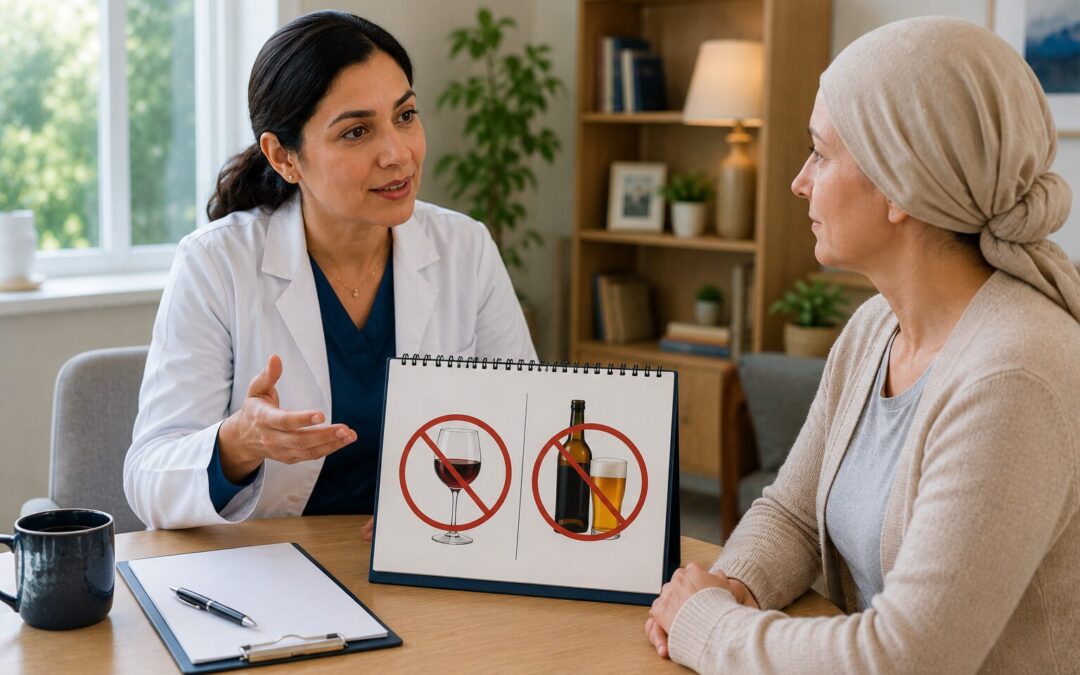
Generally, best to avoid it, and there’s a real reason behind that advice, not just caution for the sake of caution. Alcohol can interact poorly with a lot of cancer medications, sometimes reducing how well they work, sometimes making side effects worse. Mouth sores, already painful enough on their own, tend to get aggravated by alcohol. Nausea that’s already a struggle can worsen too. And the liver, which is already working overtime processing chemotherapy drugs, doesn’t need alcohol added to that workload. None of this means every patient has to cut it out entirely forever, but it’s genuinely worth a real conversation with the oncology team rather than assuming it’s fine.
Dr. Sandeep Nayak, who provides Best Cancer Treatment in Bangalore, explains why this comes up in nearly every consultation. “Patients ask about alcohol more than almost anything else, understandably, it’s a normal part of life for a lot of people. What I tell them is that it depends heavily on the specific treatment, the drugs involved, and how the liver and overall system are handling everything else. There’s no single answer that fits every patient. That’s exactly why this needs to be a direct conversation, not a guess.”
Wondering whether alcohol is safe alongside your specific treatment?
Why Does Alcohol Cause Problems During Treatment Specifically?
A few concrete reasons explain why this advice comes up so consistently.
Drug interactions. Certain chemotherapy drugs and other cancer medications interact with alcohol in ways that can reduce their effectiveness or increase toxicity, depending on the specific combination involved.
Liver strain. Many cancer drugs get processed through the liver, and alcohol adds an extra burden on an organ that’s already working hard to metabolize treatment. Over time, this combination can affect how well the liver handles everything.
Worsened side effects. Mouth sores, a common chemotherapy side effect, become more painful and slower to heal with alcohol exposure. Nausea, already a struggle for many patients, can also intensify.
Increased dehydration. Alcohol dehydrates the body, and combined with treatment side effects like vomiting or diarrhea, this can compound fatigue and general discomfort during an already difficult period.
Immune system impact. Alcohol can further suppress an immune system that’s already weakened by treatment, potentially increasing infection risk at a time when the body has less capacity to fight one off. Our blog on is exercise safe during chemotherapy covers a related principle, that the body’s reduced capacity during treatment shapes what’s genuinely safe across several everyday choices, not just this one.
Are There Situations Where Alcohol Might Be Okay?
This isn’t always an absolute no, and context genuinely matters here.
Type of treatment matters. Some treatments carry more significant alcohol interaction risk than others. A patient on certain oral targeted therapies might have different guidance than someone undergoing intensive chemotherapy.
Liver function specifically. If liver function tests show the liver is already under strain, alcohol is far more likely to be discouraged entirely, regardless of the specific treatment being used.
Timing relative to treatment cycles. Some oncologists may permit occasional, moderate alcohol during recovery windows between treatment cycles, though this varies considerably by individual case and specific drugs involved.
This is genuinely individual. What’s reasonable for one patient could be actively harmful for another, which is exactly why a blanket answer doesn’t really exist here.
Why Choose MACS Clinic for Personalized Treatment Guidance?
Dr. Sandeep Nayak’s team at MACS Clinic addresses practical questions like alcohol use as part of the ongoing treatment conversation, not something patients have to figure out on their own or avoid asking about. Guidance is built around each patient’s specific drug regimen, liver function, and overall health, rather than a generic rule applied to everyone.
For patients managing treatment alongside everyday life decisions, diet counselling and supportive care conversations cover practical questions like this one directly. Wondering what’s actually safe during your specific treatment? Reach the team at +91 9482202240.
FAQs
Does having one drink occasionally do real damage?
Not necessarily, but it genuinely depends on the treatment and where the patient’s health stands at that moment. This is exactly the kind of thing worth asking the oncologist directly rather than guessing either way.
Can alcohol actually mess with how well chemo works?
Yes, sometimes. Certain drug combinations lose effectiveness with alcohol involved, others become more toxic instead. Depends heavily on what’s actually being taken.
Once treatment's done, can drinking start again safely?
Usually, yes, though it’s worth checking in with the care team first, especially if the liver took any strain during treatment or if there’s anything lingering worth factoring in.
Why specifically does alcohol make mouth sores worse?
Those sores are already raw, inflamed tissue from chemo, and alcohol irritates that directly. Ends up slowing healing and cranking up the discomfort considerably.
Disclaimer: This content is published for educational and informational purposes only.