

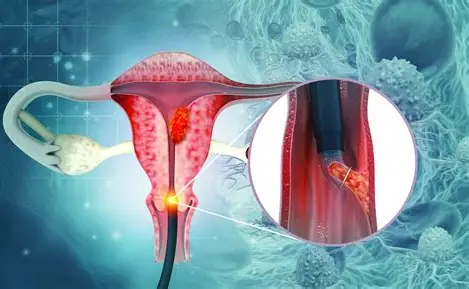
Abnormal vaginal bleeding between periods, watery or blood-tinged discharge with unusual odour, pelvic pain unrelated to menstruation, and spotting after intercourse are the earliest clinical signs of cervical cancer. India carries nearly one-fourth of the global cervical cancer burden with over 1.2 lakh new cases annually. Five-year survival at Stage I exceeds 90% but falls below 20% at Stage IV because early symptoms get dismissed as routine gynec complaints for months before anyone investigates properly.
According to Dr. Sandeep Nayak, Cervical Cancer Treatment in Bangalore, “Women still die from a cancer that’s almost entirely preventable. Symptoms sat there for months but nobody connected the dots until the disease crossed into the parametrium.”
Bleeding that keeps returning between periods isn’t hormonal until a gynecologist confirms it.
What Symptoms Appear First?
Cervical cancer takes years to develop from precancerous changes. When symptoms finally show up the disease already crossed from microscopic to invasive.
- Abnormal bleeding: Between periods, after menopause, heavier than your usual pattern. Gets brushed off as hormonal or stress related. Bleeding that changed and stayed changed beyond two cycles needs a Pap smear and pelvic exam not another wait-and-watch month.
- Watery discharge: Thin, sometimes blood-tinged, with a smell that wasn’t part of your normal. Different from regular discharge which is clear and odourless. This one persists and stains clothes and no hygiene product clears it because the source is the cervix itself.
- Post-coital spotting: Bleeding after intercourse happening repeatedly not just once. Cervical tumors grow fragile blood vessels on their surface that break with contact. Occasional spotting happens to many women but repeated episodes across weeks need colposcopy.
- Pelvic pain: Dull ache sitting deep in the pelvis not tied to your cycle. Doesn’t behave like period cramps which come and go predictably. By the time cervical cancer causes this kind of pain the tumor usually grew past the early window already.
Your gynecologic oncologist evaluates these through cervical cancer screening including Pap smear, HPV testing, and colposcopy.
How to Catch It Before Symptoms Even Start?
Unlike most cancers this one has a screening test that finds trouble years before any symptom appears. Women who screen regularly almost never show up with advanced disease. The ones who do almost always skipped screening.
- Pap smear: Cells scraped from the cervix, checked for precancerous changes. Every woman 21 to 65 should get this every three years. Two minutes during a gynec visit. Most Indian women have never had one done and that single fact explains why our cervical cancer numbers look the way they do.
- HPV test: Checks for high-risk strains 16 and 18 behind over 70% of cervical cancers. Co-testing with Pap every five years after 30. HPV positive plus abnormal Pap means colposcopy that week. HPV positive with normal Pap means repeat in a year and don’t lose sleep over it.
- Vaccination: Prevents HPV infection before exposure happens. For girls 9-14, catch-up till 26. Works before sexual debut not after. Parents sitting on this decision year after year are passing up a prevention tool that works better than any screening test ever will.
- Colposcopy: When Pap or HPV flags something the colposcope magnifies the cervix 10-40x. Doctor biopsies abnormal areas right there. CIN1, CIN2, CIN3, or invasive. This step turns a screening flag into an actual diagnosis you can act on.
Same colon screening principle, tests built to catch cancer early only work when women actually walk in to get them done.
Why Choose MACS Clinic?
Dr. Sandeep Nayak treats cervical cancer across all stages using laparoscopic and robotic approaches for early cases and radical surgery for locally advanced disease. MACS Clinic runs Pap smear, HPV testing, colposcopy, and surgical planning under one roof.
Abnormal bleeding gets investigated here that same week. No referral ping-pong between three hospitals while the cervix decides how much time it plans to give you.
Call +91 8035740000 to book your consultation.
FAQs
Can cervical cancer be completely prevented?
Nearly, with HPV vaccination before exposure and regular Pap smear screening.
At what age should Pap smear screening start?
Age 21, repeated every three years or co-tested with HPV every five years.
Does HPV infection always cause cervical cancer?
No, most HPV infections clear naturally but strains 16 and 18 can persist.
Is cervical cancer curable if caught early?
Yes, Stage I cervical cancer has five-year survival exceeding 90%.
References
- Cervical cancer screening guidelines — National Cancer Institute
- HPV vaccination and cervical cancer prevention — World Health Organization
Disclaimer: Reference links are for informational purposes only and not a substitute for professional medical advice or treatment.