

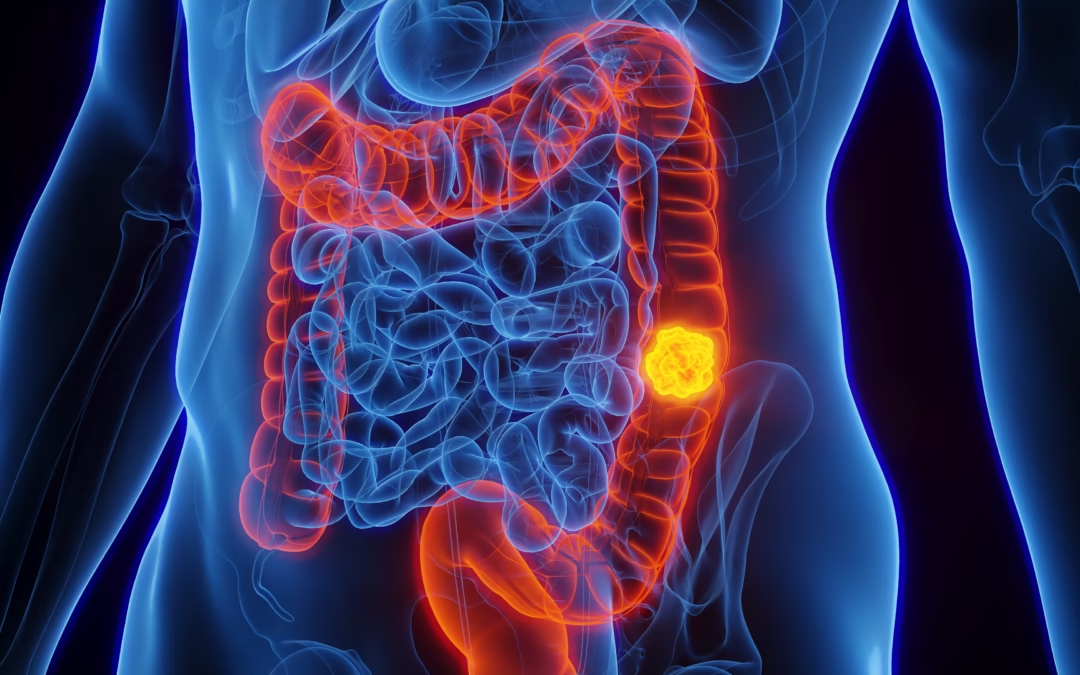
Blood in stool, persistent change in bowel habits lasting more than three weeks, unexplained weight loss, and recurring abdominal cramps are the earliest symptoms of colon cancer. India reports over 80,000 new colorectal cancer cases annually with most diagnosed after age 45 though younger cases are rising steadily. Five-year survival at Stage I sits above 90% but drops to 10-15% at Stage IV because early colon cancer produces symptoms most people blame on piles, acidity, or bad food until the disease has already spread.
According to Dr. Sandeep Nayak, Colon Cancer Treatment in Bangalore, “Every week someone walks into my clinic saying they’ve had bleeding for six months and assumed it was piles. Six months of a cancer growing while they bought ointment from the pharmacy instead of getting a colonoscopy.”
Blood that keeps showing up isn’t piles until a scope proves it.
What Are the Earliest Warning Signs?
Colon cancer starts with symptoms people live with for months because none of them feel urgent enough to see a doctor about. That delay is where early stage becomes late stage.
- Blood in stool: Bright red on the tissue or dark tarry stools mixed in. Gets written off as piles or fissure for months. Difference is piles blood usually stops in a few days. Cancer bleeding doesn’t stop on its own and often gets worse gradually over weeks.
- Bowel habit changes: Alternating between loose motions and constipation that wasn’t your pattern before. Or stools getting consistently thinner like a pencil because tumor is narrowing the passage. Three weeks of this without any dietary explanation needs a colonoscopy not another bottle of Isabgol.
- Weight loss: Dropping 4-5 kg over a couple months without trying when you’re eating the same as always. Body losing weight it shouldn’t be losing means something is consuming energy that isn’t you and your colon is one of the first places to look when this happens alongside bowel changes.
- Abdominal cramping: Recurring pain in one spot that keeps coming back in the same location. Not the kind that moves around like gas pain does. Cancer pain tends to park itself because the tumor is fixed in one place and the cramping happens when your bowel tries to push contents past the obstruction.
Your oncologist evaluates these findings with colon cancer screening protocols including colonoscopy and CT imaging.
When Should You Get a Colonoscopy?
Colonoscopy is the only test that both finds and removes precancerous polyps in the same sitting. Screening saves lives in a way few other cancer tests can match because it actually prevents cancer instead of just detecting it.
- Age 45 and above: Current guidelines moved the starting age down from 50 because younger colon cancer cases are climbing across India and globally. One colonoscopy every ten years if normal. Sounds like a lot of gap but a clean scope at 45 genuinely buys you a decade of peace.
- Family history: Parent or sibling with colon cancer means you start screening ten years before their diagnosis age. If your father was diagnosed at 52 your first scope should be at 42. Familial cases don’t follow population timelines and treating them like they do costs people years.
- Symptoms at any age: Blood in stool, changed habits, weight loss at 30 or 35 doesn’t get to wait until you turn 45 for a scope. Symptoms override age guidelines every single time. Young colon cancer is rarer but the ones who get it usually waited because nobody told them it could happen before 50.
- Previous polyps: Adenomatous polyps found on prior colonoscopy mean shorter repeat intervals of three to five years depending on polyp number, size, and pathology. One polyp removed today could have become cancer in five to seven years if it stayed.
Same prostate screening principle applies, knowing your risk category tells you when to start looking and how often to repeat.
Why Choose MACS Clinic?
Dr. Sandeep Nayak has performed hundreds of colon cancer surgeries using laparoscopic and robotic approaches with outcomes matching the best published international data. MACS Clinic runs colonoscopy, biopsy, staging, and surgery under one team.
Walk in with bleeding here and the scope happens that week not three months later. Because colon cancer found during a timely colonoscopy is a surgery you recover from. Colon cancer found after months of ignoring symptoms is a fight you wish had started sooner.
Call +91 8035740000 to book your consultation.
FAQs
Can colon cancer be prevented?
Yes, colonoscopy removes precancerous polyps before they turn malignant.
At what age should colon cancer screening start?
Age 45 for general population, earlier if family history exists.
Is blood in stool always colon cancer?
No, but persistent bleeding beyond a few days always needs colonoscopy evaluation.
How often should colonoscopy be repeated?
Every 10 years if normal, every 3-5 years if polyps were found previously.
References
- Colon cancer symptoms and screening — National Cancer Institute
- Colorectal cancer prevention guidelines — World Health Organization
Disclaimer: Reference links are for informational purposes only and not a substitute for professional medical advice or treatment.