

Blogs

What Is MRD Testing and Why Does It Matter?
Minimal residual disease (MRD) testing is a highly sensitive method used to detect tiny amounts of cancer cells that may remain in the body after treatment. Learn how MRD testing works, which cancers it is used for, how results help guide treatment decisions, and why it matters for monitoring remission and assessing the risk of relapse.

Can Red Light Therapy or Infrared Saunas Affect Cancer Risk?
Red light panels, infrared saunas, they’re everywhere now, and so are the claims. Some say they cause cancer, others say they cure it. The truth is quieter than either, and a few details matter a lot if you’ve had a cancer diagnosis

Can Wearables Detect Cancer Treatment Side Effects Early?
Wearable devices such as smartwatches and fitness trackers may help detect early signs of cancer treatment side effects by monitoring heart rate, physical activity, sleep, and other health indicators. Discover how wearable technology can support cancer care, help patients and clinicians track symptoms, and identify potential complications earlier, while understanding its limitations and why medical evaluation remains essential.
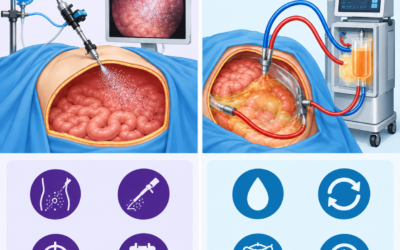
PIPAC vs HIPEC: What’s the Difference?
Both treatments put chemotherapy straight into the abdomen, and that’s about where the similarity ends. One is a long operation done once. The other is a short keyhole procedure repeated every few weeks. Knowing which one fits which patient is the whole question

Can the HPV Vaccine Prevent Cervical Cancer?
Most people hear ‘HPV vaccine’ and assume cervical cancer is handled. It isn’t, quite. The vaccine does a great deal, especially when it’s given young, but there are things it can’t do, and knowing them is what keeps you or your daughter safe

Can Targeted Therapy Replace Chemo in ER+ Breast Cancer?
Can targeted therapy replace chemotherapy for ER-positive breast cancer? Learn how treatment depends on cancer stage, tumour features, hormone receptor status, and individual health factors.

Can Hormone Therapy for Prostate Cancer Affect Heart Health?
Most men start hormone therapy thinking about one thing, cancer. Their heart rarely comes up in that first conversation, and it probably should. The treatment can quietly change weight, cholesterol and blood sugar, and those changes are easier to handle when somebody is watching for them
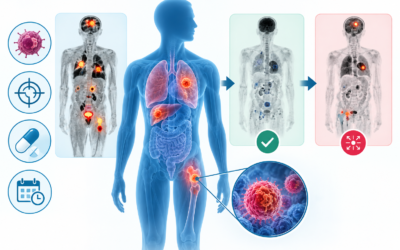
What Is Oligoprogression in Cancer?
Oligoprogression occurs when only a few cancer spots grow while the rest of the disease remains under control. Learn how it can affect treatment decisions and which options doctors may consider.

What Are the Early Signs of Multiple Myeloma?
Early signs of multiple myeloma can be subtle and may resemble other conditions. Common symptoms include persistent bone pain—especially in the back or ribs—fatigue, frequent infections, unexplained weight loss, weakness, and excessive thirst or urination. Because multiple myeloma can develop gradually, unexplained or persistent symptoms should be evaluated by a healthcare professional.