

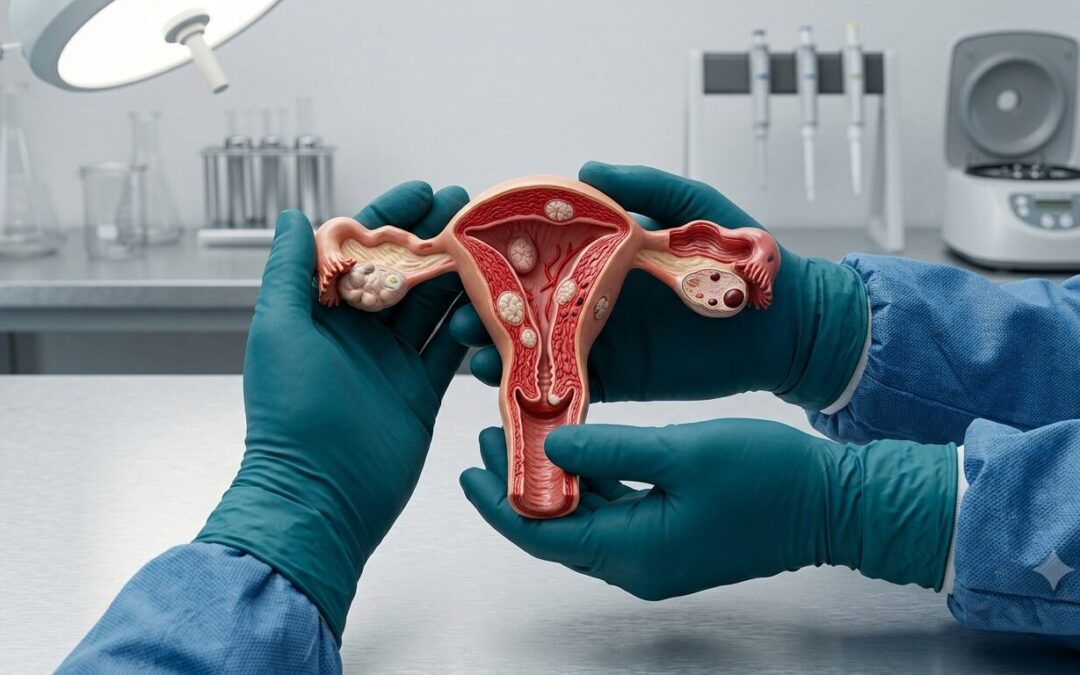
Debulking surgery, which surgeons also call cytoreductive surgery, is an operation that removes as much visible ovarian cancer as possible from the abdomen and pelvis. Not a small procedure. In advanced disease, that means removing the uterus, both ovaries and fallopian tubes, the omentum, and any tumour deposits on the bowel, diaphragm, liver surface, and peritoneal lining. Sometimes parts of the bowel or other organs go too. The goal isn’t to cure the disease through surgery alone. It’s to leave behind as little residual cancer as possible so that chemotherapy works better on what remains. The less that’s left, the longer patients live. That relationship is one of the most consistent findings in all of gynaecological oncology.
According to Dr. Sandeep Nayak,who provides Best cancer treatment in Bangalore, “Debulking surgery for ovarian cancer is one of the few operations in oncology where the surgeon’s thoroughness directly determines how many months or years a patient has. Leaving behind 2 cm of disease versus leaving behind nothing visible is not a cosmetic distinction. It’s the difference between a patient who does well on chemotherapy and one who doesn’t. The residual tumour after surgery is the single biggest predictor of what happens next.”
Diagnosed with advanced ovarian cancer and trying to understand what surgery actually involves and why it matters so much? The extent of what gets removed here genuinely changes the outcome
What actually happens during debulking surgery?
This isn’t standard abdominal surgery. The scope of it surprises most patients and families.
- What gets removed:
At minimum, total hysterectomy with both ovaries and fallopian tubes, the omentum, which is the fatty apron over the bowel where ovarian cancer spreads first, and any visible tumour deposits in the pelvis and abdomen. When disease has spread further, parts of the bowel get resected, the spleen comes out, portions of the diaphragm get stripped, liver surface deposits get removed, and retroperitoneal lymph nodes come out too. Each one of those additions is a separate surgical step in the same operation. - Why the omentum matters so much:
Ovarian cancer spreads across the peritoneal cavity early. The omentum picks up cancer cells floating in peritoneal fluid and becomes a large tumour-laden mass in most advanced cases. Omentectomy, removing the whole omentum, is one of the most important parts of debulking. Leaving it even partially intact leaves behind a significant tumour burden that chemotherapy then has to handle on its own. - Complete versus optimal cytoreduction:
Complete cytoreduction means no visible disease remains at the end of surgery. Optimal cytoreduction used to mean residual deposits under 1 cm. The standard now has shifted toward complete resection as the target because survival data consistently shows that patients with no visible residual disease do significantly better than those with any residual at all. Millimetres of remaining disease still matter. - Primary versus interval debulking:
Primary debulking happens before any chemotherapy. Interval debulking happens after three to four cycles of neoadjuvant chemotherapy, used when the tumour burden at presentation is too extensive for upfront surgery to achieve complete resection. Both routes aim at the same endpoint. Which one gets chosen depends on how resectable the disease looks at diagnosis and how well the patient’s body can handle a major operation upfront.
Ovarian Cancer Treatment at MACS Clinic covers the full spectrum from primary debulking through to interval surgery and HIPEC for appropriate cases.
Why does how much gets removed matter so much?
This is where the survival data gets very direct about what surgical outcomes actually mean.
- Residual disease and chemotherapy response:
Chemotherapy kills cancer cells but it works through diffusion. Large tumour deposits have poor blood supply at their centres, meaning drugs don’t penetrate deeply. Small deposits respond much better. Zero visible residual means chemotherapy is mopping up microscopic disease rather than fighting established tumour masses. That’s an entirely different pharmacological task and the outcomes reflect it. - The HIPEC addition:
Hyperthermic intraperitoneal chemotherapy delivers heated chemotherapy directly into the abdominal cavity at the time of surgery, after debulking is complete. Heat enhances drug penetration. The drug reaches microscopic deposits directly rather than through systemic circulation. In the OVHIPEC-1 trial, adding HIPEC to interval debulking surgery improved median overall survival by 11.8 months compared to surgery alone. It’s now offered in selected centres for appropriate patients. - When debulking isn’t possible upfront:
Bulky disease wrapped around major blood vessels, involvement of the bowel mesentery too extensive to resect safely, or a patient too unwell for a long complex operation. In these situations, neoadjuvant chemotherapy shrinks the disease first, then interval surgery aims for complete resection in a more manageable field. Outcomes for interval debulking after good chemotherapy response are comparable to primary debulking in many series. - Recurrent disease and secondary debulking:
Ovarian cancer recurs in around 70% of patients after first-line treatment. In platinum-sensitive recurrence, a second debulking operation in carefully selected patients extends survival. Patient selection matters enormously. The surgery has to achieve complete resection again to produce the survival benefit. Incomplete second debulking doesn’t help and adds morbidity without meaningful gain.
Our previous blog on BRCA Ovarian Cancer is worth a read. BRCA-mutated ovarian cancers are the ones where chemotherapy response is strongest after debulking, and understanding the genetic context helps explain why the surgical and medical approach works together the way it does.
Why choose MACS Clinic for ovarian cancer debulking surgery
Dr. Sandeep Nayak’s team at MACS Clinic doesn’t commit to a debulking plan before knowing what can actually be achieved. Staging laparoscopy is done first to assess peritoneal spread, confirm histology, and determine whether upfront cytoreductive surgery will achieve optimal debulking or whether neoadjuvant chemotherapy first gives the patient a better surgical outcome. The operation is sized to what the disease looks like, not what the scan suggested three weeks earlier.
Debulking surgery for ovarian cancer is only worth doing if it can be done completely. Leaving behind bulky residual disease doesn’t improve survival it delays chemotherapy without the benefit. The patients who do best are the ones whose surgical team made that call correctly before the first incision. Those who want to discuss their diagnosis can reach the team at +91 8035740000
FAQs
What is debulking surgery for ovarian cancer?
An operation that removes as much visible ovarian cancer as possible from the abdomen and pelvis. Hysterectomy, both ovaries and tubes, omentum, and any visible tumour deposits on abdominal organs and peritoneal surfaces. The less that’s left behind, the better chemotherapy works on what remains.
What is the difference between complete and optimal debulking?
Complete debulking means no visible disease remains. Optimal used to mean residual under 1 cm but the standard has shifted toward complete resection as the target because survival data is consistently better with zero residual than with any residual at all.
What is interval debulking surgery?
Debulking surgery performed after three to four cycles of neoadjuvant chemotherapy, used when disease is too extensive for complete upfront surgical resection. The chemotherapy shrinks the tumour first, then surgery aims for complete resection in a more manageable field.
What is HIPEC in ovarian cancer surgery?
Hyperthermic intraperitoneal chemotherapy delivered directly into the abdominal cavity at the time of debulking surgery. Heated chemotherapy penetrates microscopic peritoneal deposits more effectively than systemic chemotherapy. Adding it to interval debulking improved survival by nearly 12 months in a major randomised trial.
Disclaimer: This content is published for educational and informational purposes only.