

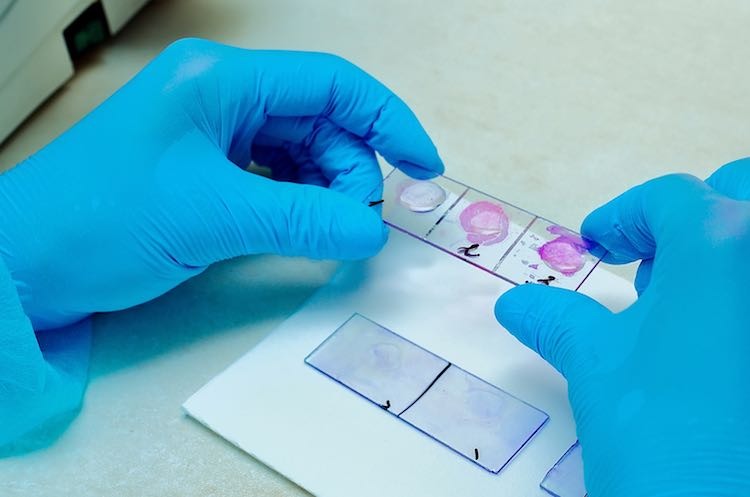
Yes, a second biopsy is sometimes necessary, and getting one isn’t a sign that something went wrong the first time. A biopsy is only as good as the sample it captures. If the needle missed the suspicious area, if the sample was too small to give a definitive read, or if the result came back benign but symptoms keep getting worse, the first result hasn’t answered the clinical question. It’s just answered the question about that particular piece of tissue at that particular moment. When the full picture doesn’t add up, a second biopsy isn’t a failure. It’s the right next step.
Dr. Sandeep Nayak,who provides Best Cancer Treatment in Bangalore, explains how this comes up in practice: “A negative biopsy result and a negative cancer result are not the same thing. If a patient has a mass that looks suspicious on imaging, symptoms that fit, and a biopsy that came back benign, I’m not reassured by the biopsy alone. The tissue sampled may not have represented the most abnormal part of the lesion. That’s when a repeat biopsy, often from a different site within the same mass, changes everything.”
Got a biopsy result that doesn’t match your symptoms or imaging?
When Does a Second Biopsy Actually Make Sense?
Not every inconclusive result needs a repeat. But several specific situations do.
Inconclusive or Non-Diagnostic First Result: Sometimes the pathologist receives tissue that simply isn’t enough to make a call. Too few cells, a sample that’s mostly necrotic tissue or blood, or material that got crushed during the procedure. This isn’t anyone’s fault but it does mean the clinical question hasn’t been answered. A repeat biopsy using a different technique or a different approach to the same lesion is the logical next step.
Symptoms Keep Getting Worse Despite a Benign Result: This is the situation that can’t be ignored. If a patient has a lump, imaging that raises concern, and a biopsy result that came back benign, but symptoms continue to progress or worsen over weeks, the biopsy result needs to be questioned. The sample may have come from a benign part of a mixed lesion. Our blog on early signs of kidney cancer covers exactly why persistent symptoms matter even when initial investigations look clear.
Imaging and Pathology Don’t Match: When a CT or MRI shows a lesion that strongly suggests malignancy, and the biopsy comes back benign, there’s a discordance that has to be resolved. Either the imaging is wrong or the biopsy missed the target. In most cases, the biopsy gets repeated, this time with more precise guidance, before the benign result is accepted as the final answer.
Treatment Has Stopped Working: A cancer that was responding to targeted therapy and then stops responding may have developed new mutations. A repeat biopsy from a progressing lesion gives fresh tissue for molecular analysis and can reveal resistance mutations that weren’t present at the original diagnosis. Our blog on immunotherapy vs targeted therapy covers how resistance affects treatment decisions and why updated molecular profiling matters.
Recurrence After Previous Treatment: If cancer comes back after surgery, chemotherapy, or radiation, a biopsy of the recurrent lesion is almost always done again. The biology of recurrent cancer can differ significantly from the original tumour. Receptor status can change, new mutations can emerge, and the treatment plan needs to be built on what the cancer looks like now, not what it looked like two years ago.
Upgrading Risk in Prostate Cancer: In prostate cancer specifically, active surveillance relies on regular repeat biopsies to check whether a low-risk tumour is staying stable or upgrading to something that needs treatment. A single biopsy at diagnosis is the starting point, not the whole picture over years of surveillance.
How Is a Second Biopsy Done Differently?
A repeat biopsy isn’t just doing the same thing again and hoping for a better result. The approach changes based on why the first one fell short.
Better Image Guidance: If the first biopsy was done freehand or with basic ultrasound guidance, the repeat might use CT guidance, MRI-guided biopsy, or fusion biopsy technology that overlays imaging data in real time to target the most suspicious part of the lesion rather than the easiest part to reach.
Different Site Within the Same Mass: Large tumours are not homogeneous. A necrotic centre and a metabolically active periphery can look completely different under the microscope. Targeting the edge of a lesion rather than its centre, or the area that lit up brightest on PET, gives tissue that’s more likely to be representative of the actual cancer.
Liquid Biopsy as an Alternative: When repeat tissue biopsy carries significant risk because of lesion location or patient health, liquid biopsy and ctDNA testing can detect tumour DNA circulating in the blood. It doesn’t replace tissue biopsy for initial diagnosis but it can answer specific molecular questions, particularly around resistance mutations, without putting the patient through another invasive procedure.
Core Biopsy After Inconclusive FNAC: If the first procedure was an FNAC and it came back inconclusive, the standard next step is a core biopsy. More tissue, intact architecture, full molecular testing capability. This is a straightforward upgrade in technique rather than a true repeat of the same procedure.
Why Choose MACS Clinic for Repeat Biopsy and Cancer Diagnosis?
Dr. Sandeep Nayak’s team at MACS Clinic treats a discordant biopsy result as a clinical problem to be solved, not a file to be closed. When imaging and pathology don’t agree, or when symptoms persist after a benign result, the investigation continues. Repeat biopsies at MACS Clinic use precise image guidance and are planned around what the first biopsy missed, not just where it was easiest to take a sample.
For patients where precision oncology and molecular profiling are part of the treatment plan, having tissue that accurately represents the cancer is essential. Getting that tissue right matters as much as everything that follows. Those who have received an inconclusive or discordant biopsy result and want a second assessment can reach the team at +91 9482202240.
FAQs
Does a negative biopsy mean no cancer?
Not always. The needle only samples what it reaches. Miss the right spot in a large or mixed lesion and the result looks fine while something real is still sitting there. When the clinical picture doesn’t fit the result, the result gets questioned.
How soon can a second biopsy happen?
When the first came back inconclusive, usually a few weeks. The team works out what went wrong first and adjusts the approach before going back in. Prostate surveillance biopsies run on a set schedule regardless, yearly or every 18 months typically.
Does a second biopsy hurt more?
People worry it will. It usually doesn’t. The numbing, the procedure, the recovery all roughly the same as before. Knowing what to expect the second time often makes it feel easier than the first.
Can a blood test replace going back for more tissue?
For specific questions around treatment resistance, sometimes yes. ctDNA in the blood can flag new mutations without another biopsy. But when the diagnosis itself is still in question or results are conflicting, tissue remains the only thing that resolves it.
Disclaimer: This content is published for educational and informational purposes only.