

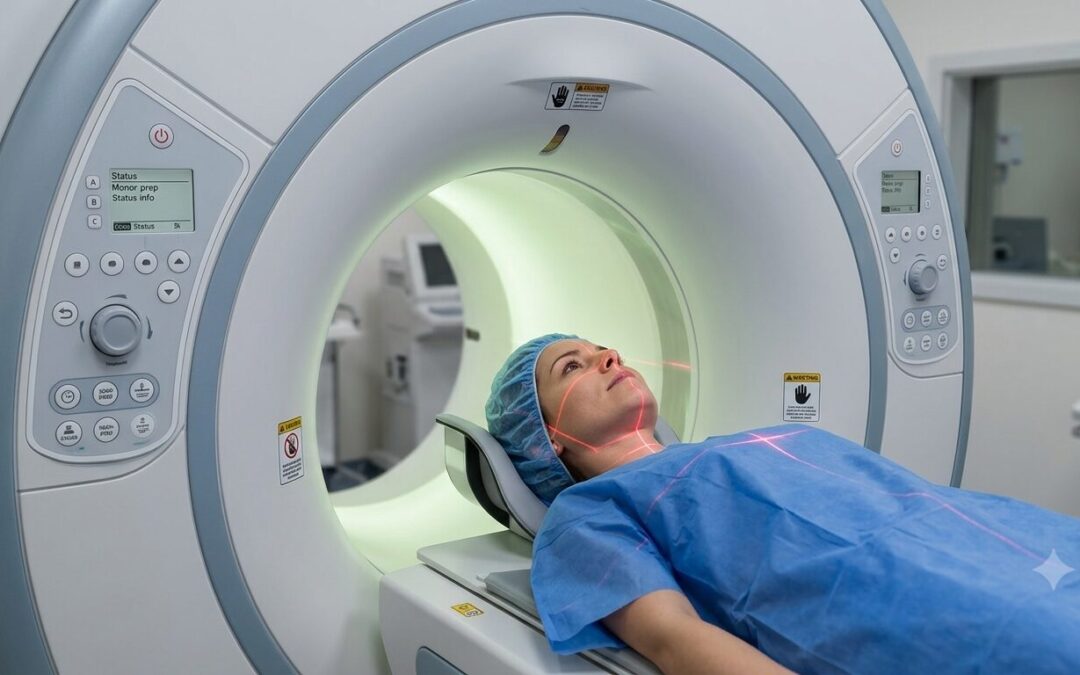
Yes, it can. And it happens more often than most patients expect when they walk out of a scan with a clear result feeling completely reassured. A PET scan works by detecting cells that consume glucose at an abnormally high rate, which most aggressive cancers do. But not every cancer behaves that way. Slow-growing tumours, very small lesions, and certain cancer types that don’t light up on glucose-based imaging can sit completely undetected on a PET scan while being entirely real and clinically significant.
Dr. Sandeep Nayak,who provides Best Cancer Treatment in Bangalore, explains where the gaps actually are: “A PET scan is one of the most powerful staging tools we have, but it has specific blind spots that oncologists need to account for. Slow-growing prostate cancer, low-grade lymphoma, mucinous tumours, and very small deposits below a certain size threshold can all be PET-negative even when disease is present. A clear PET scan is genuinely useful information. It’s not a guarantee.”
Had a clear PET scan but still have symptoms that don’t add up?
What Types of Cancer Can a PET Scan Miss?
Not every cancer plays by the same rules. The ones that swlip past a PET scan tend to share one trait they don’t burn through glucose the way aggressive cancers do, and that’s exactly what a standard FDG-PET is looking for.
Low-Grade Lymphoma: Aggressive lymphomas show up clearly. Slow-growing, indolent ones are a different story. Their metabolic activity barely differs from normal tissue, so they don’t trigger the kind of signal the scanner is looking for. Someone can carry a meaningful lymphoma disease burden for months and walk out of a PET with a perfectly clear result.
Prostate Cancer: The standard PET tracer chases glucose. Most prostate cancers, especially the lower-grade ones, simply don’t consume enough of it to register. That’s why PSMA-PET exists. It targets prostate cancer cells directly rather than relying on glucose behaviour, and it finds things FDG-PET consistently misses.
Mucinous Tumours: Colon, appendix, and ovarian mucinous cancers produce mucin as part of how they grow. That mucin spreads cancer cells out through a gel-like matrix instead of packing them together. The glucose signal per area of tissue ends up too diluted to show clearly. Our blog on HIPEC covers why this matters practically for how these tumours get treated.
Very Small Lesions: Below roughly 7 to 10 millimetres, the scanner simply can’t resolve a signal reliably. Early lymph node deposits, small liver spots, microscopic peritoneal spread all of these can be real and clinically significant while sitting completely under the detection threshold.
Liver and Brain Tumours: Both of these organs consume a lot of glucose naturally. Well-differentiated liver cancers and low-grade brain tumours don’t stand out clearly against that background, which is why MRI is the preferred tool for both rather than PET.
What Should Be Done When PET Has Limitations?
A clear PET scan isn’t the end of the investigation when symptoms or clinical suspicion remain.
PSMA-PET for Prostate Cancer: For prostate cancer specifically, PSMA-PET uses a tracer that targets prostate-specific membrane antigen rather than glucose. It detects prostate cancer recurrence and metastases far more reliably than standard FDG-PET, including at very low PSA levels where FDG-PET would show nothing.
MRI for Specific Sites: Brain tumours, liver lesions, rectal cancer local staging, and bone marrow involvement are all better assessed by MRI than PET. When PET is negative but clinical suspicion persists, MRI of the relevant site is the next step, not reassurance. Our blog on PET scan vs CT scan covers how imaging tools complement each other in cancer staging.
Liquid Biopsy: When imaging is negative but recurrence is suspected based on rising tumour markers or symptoms, liquid biopsy and ctDNA testing can detect circulating tumour DNA in the blood even when no lesion is visible on any scan. It’s an increasingly important complementary tool precisely because of the gaps in imaging-based detection.
Biopsy of Suspicious Areas: When a lesion is visible on CT or MRI but PET-negative, that doesn’t mean it’s benign. A PET-negative lesion that looks suspicious on structural imaging still needs biopsy to confirm its nature. PET negativity reduces but doesn’t eliminate the probability of malignancy.
Why Choose MACS Clinic for Cancer Staging and Diagnosis?
Dr. Sandeep Nayak’s team at MACS Clinic treats PET scan results as one layer of a complete diagnostic picture, not the final word. When PET findings don’t match the clinical picture or symptoms persist after a clear scan, the investigation continues. Precision oncology tools including molecular profiling, liquid biopsy, and targeted imaging are used to fill the gaps that standard PET misses.
A clear PET scan that doesn’t fit the clinical story is a reason to look harder, not a reason to close the case. Those who have received a clear PET result but still have unresolved symptoms or rising markers can reach the team at +91 9482202240.
FAQs
If my PET scan is clear does that mean I don't have cancer?
It’s good news, not a guarantee. Slow-growing cancers, tiny lesions, and certain tumour types that don’t light up on glucose-based imaging can all stay invisible. A clear result matters. It just doesn’t close every door on its own.
Why do PET scans miss prostate cancer?
The standard PET tracer follows glucose. Prostate cancer, particularly the slower-growing kind, doesn’t consume enough glucose to trigger a clear signal. PSMA-PET works on a completely different principle, targeting proteins on prostate cancer cells directly, which is why it finds things FDG-PET walks right past.
How small a tumour can a PET scan actually pick up?
Roughly 7 to 10 millimetres is the practical limit with standard equipment. Below that, even an active tumour won’t produce enough signal to register. Early lymph node deposits and microscopic spread sit well under that threshold.
What's the next step if PET comes back clear but something still feels wrong?
Depends on where the suspicion is pointing. MRI works better for brain, liver, and pelvis. PSMA-PET is the right call for prostate cancer concerns. If markers are rising and scans are still clear, liquid biopsy looks for tumour DNA in the blood without needing a visible lesion to find it.
Disclaimer: This content is published for educational and informational purposes only.