
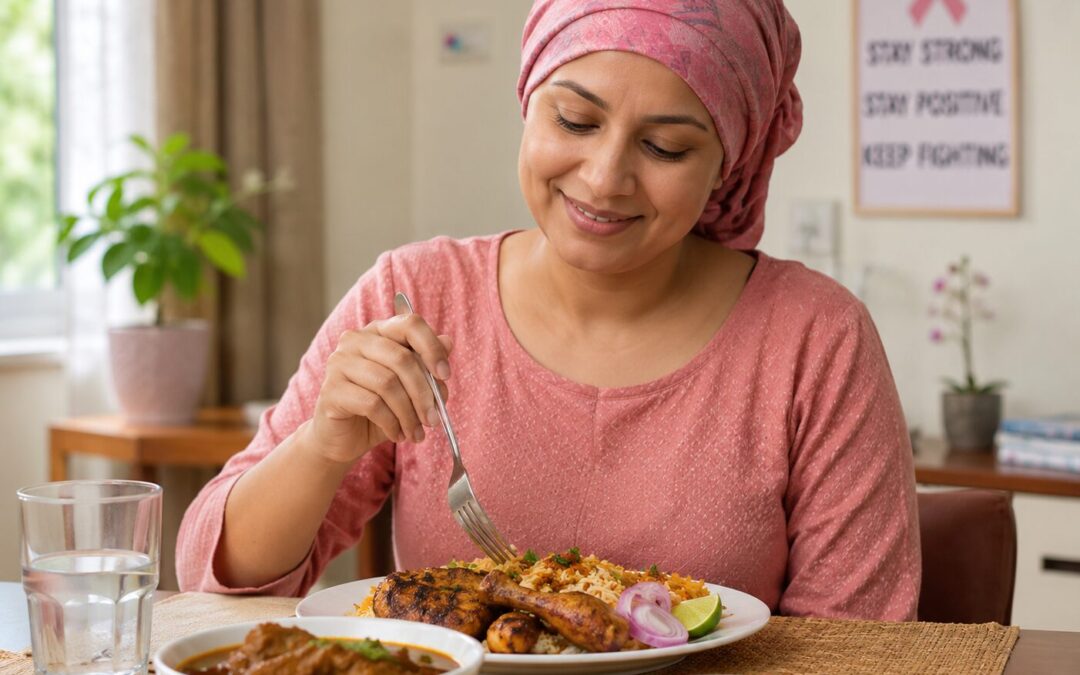
Yes, and for many patients it’s one of the better dietary choices they can make during treatment. The belief that cancer patients should avoid meat, fish, and eggs during chemotherapy isn’t supported by evidence. It comes from cultural assumptions, well-meaning family advice, and sometimes from a general idea that non-vegetarian food is somehow harder on the body. What chemotherapy actually does to the body is break down protein at an accelerated rate. Lean meat, fish, and eggs are among the most efficient sources of the protein and amino acids the body needs to repair tissue, maintain immune function, and get through successive treatment cycles without losing too much ground between them.
Dr. Sandeep Nayak, who provides Best Cancer Treatment in Bangalore, addresses this directly: “Many patients come in having already eliminated non-vegetarian food from their diet because someone told them it feeds cancer or isn’t appropriate during treatment. There’s no clinical basis for that. What matters during chemotherapy is adequate protein intake and food safety. Thoroughly cooked lean meat, fish, and eggs are safe, nutritionally appropriate, and often easier for patients to get enough protein from than plant sources alone, particularly when appetite is already reduced.”
Not sure what to eat during chemotherapy?
What Non-Vegetarian Foods Actually Help During Chemo?
The difference between what helps and what creates problems comes down to protein quality, preparation, and hygiene when the immune system is compromised.
Chicken and Turkey: Practical, high in protein, easy on the stomach when cooked simply. Boiled or baked works better than fried or heavily spiced on days when nausea is a problem. The only hard rule is that it has to be cooked all the way through. No pink, no doubt.
Fish: Good protein and omega-3 fatty acids, which have anti-inflammatory properties that are genuinely relevant during chemotherapy. Rohu, katla, and salmon are all solid choices when cooked properly. Sushi, raw fish, undercooked seafood off the table entirely. The infection risk in an immunosuppressed patient isn’t theoretical. Our blog on exercise safe during chemotherapy covers how managing the body’s vulnerability during treatment extends beyond food choices alone.
Eggs: Small, protein-dense, easy to prepare in a dozen ways. Hard-boiled, scrambled, well-done, fully cooked omelettes are all fine and genuinely useful. Runny yolks, soft-boiled, anything undercooked no. Salmonella in a patient whose immune system is already suppressed by chemotherapy is a serious problem.
Lean Red Meat: Occasional well-cooked mutton or beef brings iron alongside protein, which matters for patients managing anaemia during treatment. Not a daily food. Well-cooked throughout. Processed meats like salami, sausages, and deli cuts need to be avoided completely the preservatives, sodium, and bacterial contamination risk make them unsuitable during chemotherapy regardless of how they’re prepared.
What Needs to Go Completely: Raw or undercooked meat of any kind. Deli meats straight from the packet. Street food where cooking conditions can’t be confirmed. These aren’t flexible guidelines, they’re genuine infection risks when the immune system is being suppressed cycle after cycle. Diet counselling at MACS Clinic helps patients build a practical eating plan that works around treatment cycles, cultural food preferences, and what the body can actually manage at different points in treatment.
Why Does Protein Matter This Much During Chemotherapy?
Chemotherapy damages fast-dividing cells. That’s how it works against cancer. But the body’s own repair systems and immune function also run on fast-dividing cells, and they take the hit too. Getting through cycle after cycle without losing too much ground requires protein at levels most patients aren’t eating.
Higher Requirements Than Normal: The rough target during chemotherapy is 1.2 to 1.5 grams of protein per kilogram of body weight daily. That’s well above what a healthy adult typically needs. Hitting that number when appetite is already reduced by nausea, taste changes, and fatigue is genuinely difficult on plant protein alone. Non-vegetarian food gets patients there in smaller volumes of food, which matters when eating itself feels like an effort. Diet counselling at MACS Clinic helps build an actual eating plan around the treatment schedule and what the patient can realistically manage.
Keeping the Body Functional Between Cycles: Protein isn’t just about muscle. It’s what rebuilds gut lining damaged by chemotherapy, what white blood cells are made from, and what the immune system draws on between treatment cycles. A patient who isn’t getting enough protein doesn’t just feel weaker. They’re less equipped to tolerate the next cycle and recover from it. Our blog on is exercise safe during chemotherapy covers how nutrition and physical activity work together to support the body through treatment.
Why Choose MACS Clinic for Nutritional Support During Cancer Treatment?
Dr. Sandeep Nayak’s team at MACS Clinic puts nutrition inside the treatment conversation, not outside it. Diet counselling runs alongside medical oncology so patients get specific guidance on protein targets, what to eat through difficult treatment phases, and how to work around appetite challenges without abandoning cultural food preferences. A plan that respects what someone actually eats is one they’ll follow. A generic list that doesn’t is one they won’t.
Those who want practical guidance on eating through chemotherapy can reach the team at +91 9482202240.
FAQs
Does eating meat during chemo feed the cancer?
That’s not how it works. Cancer runs on glucose primarily. Protein from meat goes toward keeping the body functional during treatment, not toward feeding tumour cells. Cutting it out doesn’t hurt the cancer. It just makes an already difficult process harder on the patient.
Are eggs safe during chemo?
Cooked properly, yes. Hard-boiled or well-done scrambled are fine. The ones to avoid are anything with a runny yolk or undercooked white. Salmonella is manageable for a healthy person. For someone mid-chemotherapy with suppressed immunity, it’s a different situation entirely.
What about fish?
Well-cooked fish is actually one of the better foods during treatment. Good protein, anti-inflammatory fats, relatively easy to digest. The problem is raw or undercooked seafood. That’s where the infection risk sits and it’s not a risk worth taking when the immune system is already compromised.
Does spicy food make things worse?
For a lot of patients, yes. Nausea and mouth sores are already common through chemotherapy cycles. Heavily spiced food tends to make both worse. The same meat or fish
Disclaimer: This content is published for educational and informational purposes only.