

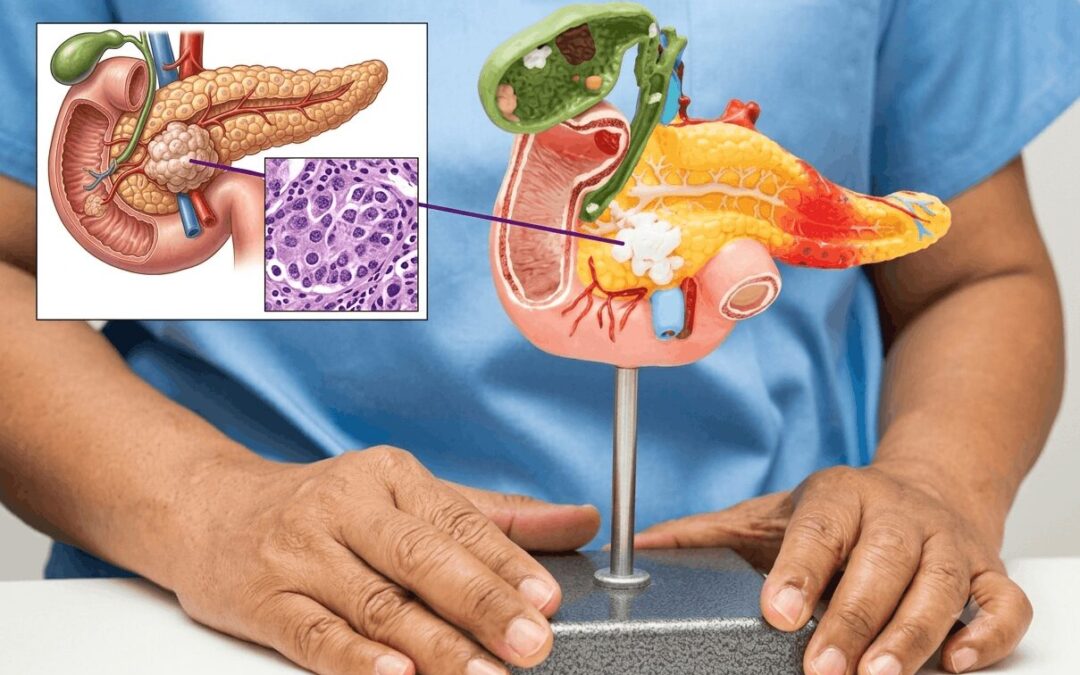
Three things, mostly, working against early detection at once. It grows quietly, without symptoms loud enough to send someone to a doctor in the early stages. It sits deep inside the abdomen, tucked behind the stomach and other organs, which makes it hard to feel or spot even on routine imaging done for something else. And there’s no simple blood test or scan that gets offered to the average person the way a mammogram or colonoscopy does. Put those three together, and by the time something finally does show up, jaundice, unexplained weight loss, pain that won’t go away, the cancer has often already had months, sometimes longer, to grow undisturbed.
Dr. Sandeep Nayak, who provides Best Cancer Treatment in Bangalore, explains why this pattern is so consistent: “Patients ask why nobody caught it sooner, and honestly, it’s rarely anyone missing something obvious. The pancreas doesn’t send clear signals early on. Vague digestive discomfort, mild fatigue, things people reasonably brush off for weeks or months. By the time symptoms become specific enough to point toward the pancreas, the disease has usually progressed. That’s the frustrating reality of this particular cancer, not a failure of anyone paying attention.”
Concerned about pancreatic cancer risk or symptoms that won’t resolve?
What Makes Pancreatic Cancer So Hard to Catch Early?
A few specific factors line up against early diagnosis here, more than with most other cancers.
No Early Symptoms: Small pancreatic tumours generally don’t press on anything or block anything yet, so they don’t cause pain, digestive trouble, or noticeable changes. The organ can have a growing tumour for a while before the body reacts in any obvious way.
Deep, Hidden Location: The pancreas sits behind the stomach, close to major blood vessels and other organs, essentially shielded from easy physical examination. A doctor can’t feel it during a routine check the way they might feel an abnormal lump elsewhere.
No Routine Screening Test: Unlike breast, cervical, or colon cancer, there’s no standard screening test recommended for people at average risk. Blood tests like CA 19-9 exist but aren’t reliable enough on their own for general screening, since they can be elevated for reasons unrelated to cancer and can also miss early tumours entirely.
Vague, Nonspecific First Symptoms: When symptoms do eventually appear, they’re often things easily attributed to something else entirely. Mild back discomfort, reduced appetite, slight indigestion. These get chalked up to stress, diet, or age long before pancreatic cancer enters the conversation. Our blog on can jaundice be a sign of pancreatic cancer covers one of the more specific warning signs that does eventually appear in many cases.
Who Should Consider Earlier Screening or Closer Monitoring?
No test exists for everyone, but a few groups genuinely benefit from watching more closely than the average person would.
Strong Family History: A few close relatives with pancreatic cancer in the family, or certain genetic syndromes that run through it, changes the calculus enough that periodic imaging sometimes makes sense even before anything feels wrong. Our blog on who qualifies for pancreatic cancer screening walks through exactly where that line gets drawn.
Diabetes That Shows Up Out of Nowhere: Someone older developing diabetes suddenly, with none of the usual risk factors behind it, isn’t always just diabetes. It’s occasionally tied to what’s happening in the pancreas, and it’s worth flagging to a doctor rather than treating as its own separate thing.
Years of Chronic Pancreatitis: Ongoing inflammation of the pancreas over time nudges risk upward. Anyone carrying that history usually gets watched more closely than someone with no pancreatic issues in their past.
Why Choose MACS Clinic for Canadian NRI Cancer Surgery?
Dr. Sandeep Nayak’s team at MACS Clinic takes vague, nonspecific symptoms seriously rather than dismissing them, particularly in patients who fall into higher-risk categories. Imaging, blood work, and a thorough clinical history all factor into working up a case where pancreatic cancer is a genuine possibility, even before symptoms become obvious or severe.
For patients where surgery becomes part of the treatment plan, robotic and minimally invasive approaches are used where appropriate to reduce the physical burden of what’s already a demanding diagnosis. Those with concerning symptoms or a family history that warrants closer attention can reach the team at +91 9482202240.
FAQs
Can a regular checkup catch pancreatic cancer early?
Usually not, honestly. There’s no routine test doctors run for this the way they might screen the breast or colon. What actually helps is not brushing off symptoms that stick around and getting them checked instead of waiting them out.
If bloodwork comes back normal, does that mean pancreatic cancer is ruled out?
Not at all. A normal blood panel doesn’t say much either way, especially early on. Even CA 19-9, the marker doctors sometimes check, isn’t reliable enough on its own to catch this or rule it out.
Which symptoms actually warrant getting checked?
Weight dropping off without trying, back or belly pain that won’t ease up, yellowing skin, diabetes showing up suddenly later in life, digestion that’s been off for weeks. Any one alone might be nothing. A few together is worth a doctor’s visit.
Does finding it late mean there's nothing left to do?
No, and that’s worth saying clearly. Late-stage is harder, no question, but treatment still exists and how someone does depends on the specific tumour and how it responds. It’s a serious diagnosis, not a guaranteed dead end.
Disclaimer: This content is published for educational and informational purposes only.