
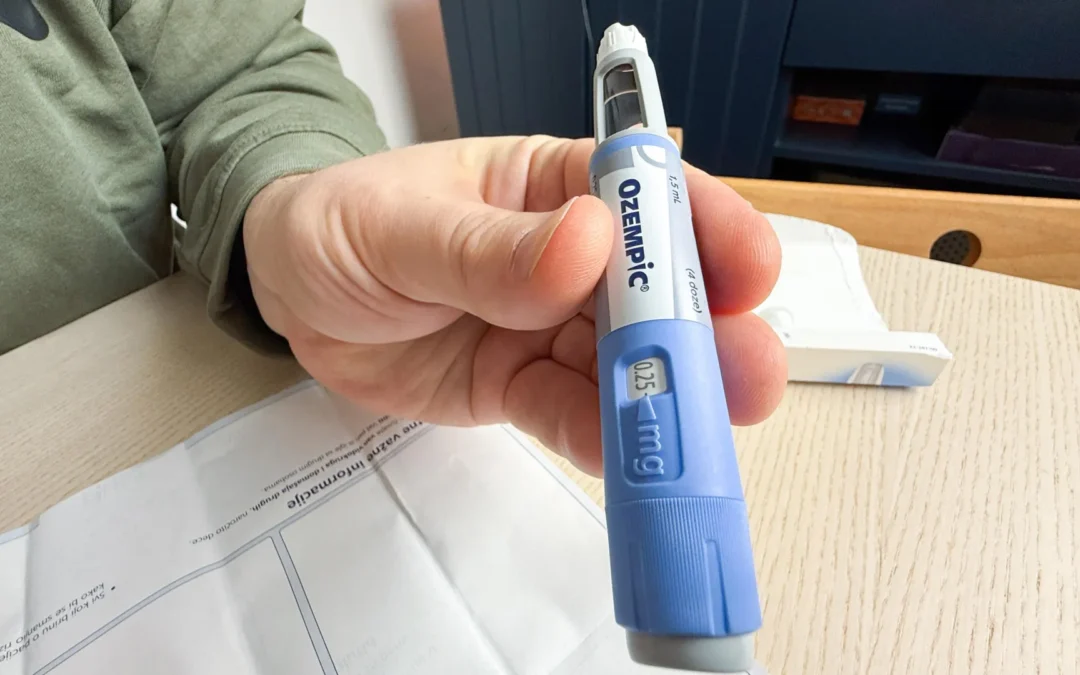
Large-scale human studies haven’t found that Ozempic, semaglutide, raises overall cancer risk. If anything, the more interesting finding lately is the opposite direction, some real-world data suggests it might actually lower the risk of several obesity-related cancers, largely through weight loss, reduced chronic inflammation, and better metabolic health overall. That’s a genuinely different story than the early rodent-study concerns that first put thyroid cancer warnings on the label.
Dr. Sandeep Nayak, known for the Best Cancer Treatment in Bangalore, gets asked about this a lot now that so many patients are on GLP-1 medications for other reasons. “The thyroid cancer warning came from rodent studies, and human data just hasn’t shown that same pattern play out. What’s actually more relevant clinically is that obesity itself is a real, established cancer risk factor, so a drug that helps people lose meaningful weight could plausibly lower cancer risk indirectly, through that pathway. That’s different from the drug directly fighting cancer cells.”
Wondering how this applies to your own health picture?
What the Research Actually Shows?
The evidence has shifted noticeably as more human data has come in, moving away from the early rodent-based concerns:
- The original thyroid cancer warning came from rodent studies showing tumors at high doses, human studies haven’t found the same clear signal
- Large clinical trial reviews covering tens of thousands of patients have generally found no significant increase in overall cancer risk with semaglutide use
- Some observational studies have found lower rates of certain obesity-related cancers in patients taking GLP-1 medications, including breast, endometrial, and colorectal cancer
- The proposed explanation isn’t that the drug directly attacks cancer, it’s that meaningful weight loss, reduced inflammation, and improved metabolic markers all independently lower cancer risk over time
None of this is fully settled yet. These drugs haven’t been around long enough for truly long-term cancer data, so the picture could still shift as more years of follow-up accumulate
What This Actually Means If You're Taking It?
Why Choose MACS Clinic for Cancer Risk and Prevention Guidance?
Dr. Sandeep Nayak’s team stays current with research like this and discusses it against a patient’s actual risk factors and existing medications, rather than reacting to headlines in either direction, alarmed or overly reassured.Want to discuss your own cancer risk factors and current medications? Reach the team at +91 9482202240.
FAQs
Should I stop taking Ozempic because of cancer concerns?
Based on current evidence, no, not for cancer reasons alone. Discuss any medication concerns directly with your prescribing doctor rather than stopping on your own.
Does Ozempic definitely lower cancer risk?
Not definitively, no. The data is promising and observational, not yet confirmed through the kind of long-term randomized trials needed to say this conclusively.
Who should still be cautious about GLP-1 medications and thyroid cancer specifically?
People with a personal or family history of medullary thyroid carcinoma or MEN2 syndrome, since that’s where the original rodent-based warning specifically applies.
Does this mean I can skip cancer screening if I'm on Ozempic and losing weight?
No, standard screening recommendations still apply regardless of GLP-1 use or weight loss progress.
References
Disclaimer:This content is published for educational and informational purposes only.