

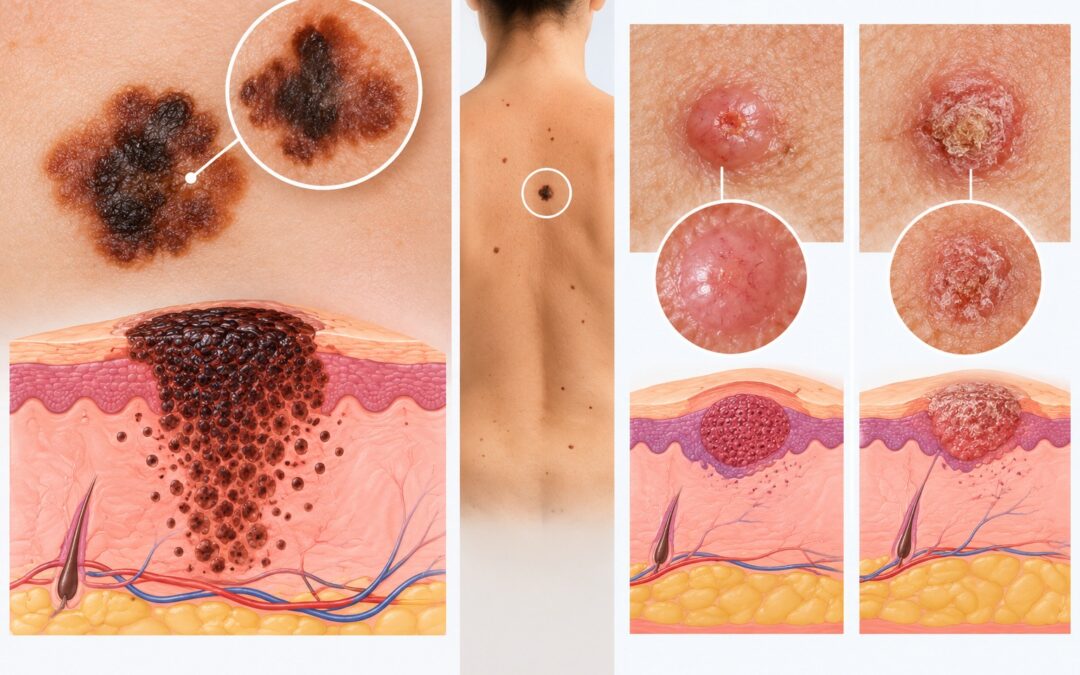
Melanoma starts in melanocytes, the pigment-producing cells in skin, rather than the ordinary skin cells that basal cell and squamous cell carcinomas grow from, and that difference in origin is exactly why melanoma behaves so differently. It makes up only about 1 to 2 percent of all skin cancer cases, a small slice, yet it’s responsible for the vast majority of skin cancer deaths. Rare and dangerous at the same time, that combination is the whole story with melanoma.
Dr. Sandeep Nayak, known for the Best Cancer Treatment in Bangalore, explains why that origin point actually matters clinically, not just biologically. “Basal cell and squamous cell cancers tend to stay put, grow locally, and get treated with fairly straightforward removal in most cases. Melanoma has a real talent for spreading early, sometimes before a spot even looks alarming to the naked eye. That’s the entire reason we take a changing mole so seriously, it’s not being cautious for no reason, it’s respecting how this particular cancer actually behaves.”
Noticed a mole or skin spot that’s changed recently?
What Actually Separates Melanoma From the Rest?
The cell of origin explains most of the practical differences that follow:
- Basal cell carcinoma, the most common skin cancer by far, grows from cells in the deepest layer of the epidermis and almost never spreads beyond the skin itself, which is why it’s rarely fatal even though it’s extremely common
- Squamous cell carcinoma comes from flatter cells closer to the skin’s surface and can spread in a small percentage of cases, sitting somewhere between basal cell and melanoma in terms of risk
- Melanoma, growing from melanocytes, has a much stronger tendency to enter the bloodstream and lymphatic system early, which is why staging and treatment decisions move faster once melanoma is confirmed
- Immunotherapy has also transformed melanoma treatment specifically, turning what used to be one of the deadliest advanced cancer diagnoses into something far more manageable for a meaningful share of patients
That shift hasn’t happened nearly as dramatically for basal or squamous cell cancers, mostly because they didn’t need it as urgently to begin with.
Why This Difference Actually Changes What to Watch For?
Why Choose MACS Clinic for Melanoma Evaluation and Treatment
Dr. Sandeep Nayak’s team evaluates any concerning mole or skin lesion with melanoma’s distinct behavior in mind, moving quickly toward biopsy and staging rather than watching and waiting the way a more predictable skin lesion might allow. Genetic and family history factors get built into the risk conversation from the start, since melanoma’s hereditary component changes how aggressively screening and monitoring should happen for some patients. For confirmed melanoma cases, treatment planning draws on the same targeted and immunotherapy advances that have reshaped outcomes for this specific cancer, rather than defaulting to an older, less tailored protocol.
Concerned about a mole or skin change? Reach the team at +91 9482202240.
FAQs
Does the stage even matter, or is melanoma just worse across the board?
Stage matters, but even early on, melanoma tends to spread more readily than basal or squamous cell carcinoma does. That’s really the reason doctors move on it faster, even when it’s caught small.
Can basal cell or squamous cell carcinoma turn into something as serious as melanoma?
Not usually. Squamous cell can spread on occasion, mostly if it’s been left alone too long or the patient’s immune system is compromised. Basal cell going beyond the skin itself is genuinely rare.
Does fair skin only put me at risk for melanoma, or the others too?
All three, actually. Melanoma just adds genetics and family history into the mix on top of that, so skin tone alone doesn’t tell the whole story there.
How fast should I actually get a weird-looking mole looked at?
Don’t sit on it. A few weeks is a reasonable window, not months, since melanoma’s whole deal is spreading early, so waiting works against you here more than with other skin lesions.
References
-
American Cancer Society — Squamous Cell Carcinoma of the Skin
Covers how SCC develops from squamous cells and how it differs from melanoma and BCC. American Cancer Society
American Cancer Society — Squamous Cell Carcinoma -
NHS — Melanoma Skin Cancer
Provides a patient-friendly explanation of melanoma, including its ability to spread and its differences from non-melanoma skin cancers. nhs.uk
NHS — Melanoma Skin Cancer
Disclaimer:This content is published for educational and informational purposes only.