
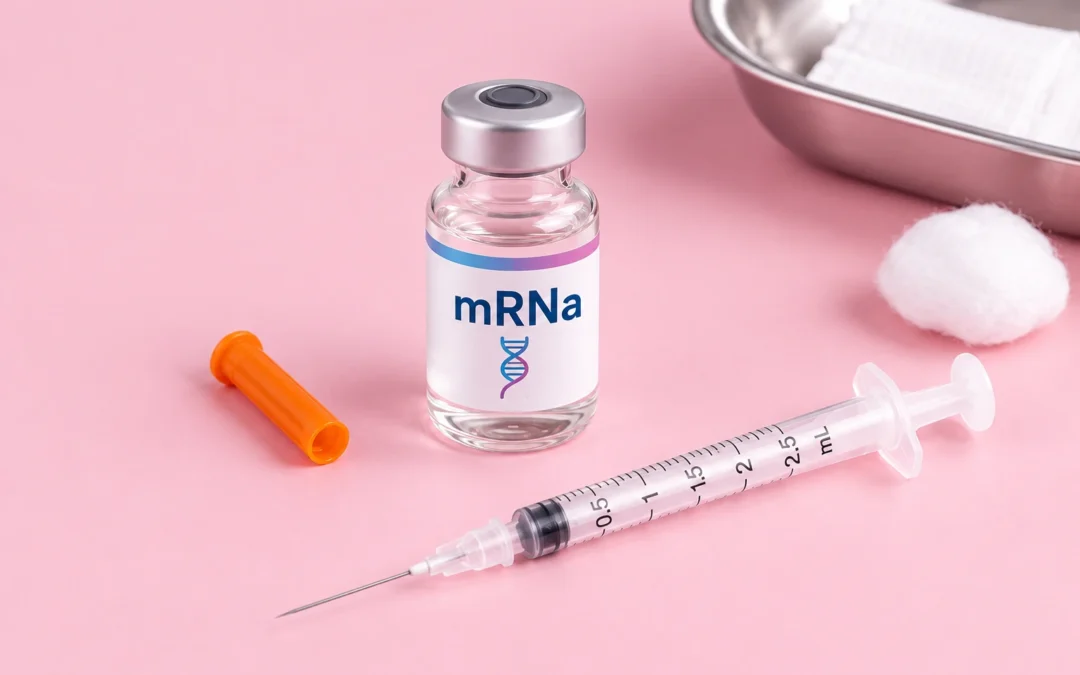
The evidence so far leans yes, at least for melanoma, and the numbers are hard to ignore. A personalized mRNA vaccine called intismeran autogene, built by Moderna and Merck together, paired with the immunotherapy drug Keytruda, has actually cut down on melanoma coming back after surgery. Long-term follow-up from the earlier Phase 2b trial found the combination lowered the risk of recurrence or death by 49 percent compared to Keytruda alone, and that number barely budged even five years out. A newer, bigger Phase 3 trial, INTerpath-001, just confirmed the same pairing hits its main goals too, though Moderna and Merck haven’t put out the exact benefit size from that particular trial yet.
Dr. Sandeep Nayak, known for the Best Cancer Treatment in Bangalore, calls this one of the more genuinely exciting developments he’s followed in years. “What’s different here isn’t just that it’s an mRNA vaccine, it’s that it’s personalized to each patient’s own tumor mutations. That’s a real shift in how we think about preventing recurrence after surgery, not a generic drug, something built specifically around what that patient’s cancer actually looks like at the molecular level.”
Curious how developments like this might eventually apply to your own care?
What the Research Actually Shows?
The vaccine works by targeting the specific mutations found in a patient’s own tumor, which is different from how most vaccines work:
- The vaccine is built individually for each patient, based on sequencing their own tumor tissue to identify unique mutations, called neoantigens, that the immune system can be trained to recognize
- In the Phase 2b KEYNOTE-942 trial, adding the vaccine to Keytruda reduced the risk of recurrence or death by 49 percent compared to Keytruda alone, sustained through five years of follow-up
- The newer Phase 3 INTerpath-001 trial, involving roughly 1,089 patients, confirmed the combination significantly improves recurrence-free survival, the first Phase 3 success for this kind of individualized cancer vaccine
- Similar trials are now underway for other cancers, including non-small cell lung cancer, with the companies planning to expand into additional tumor types
This is genuinely one of the more significant developments in cancer treatment in the last several years, not incremental progress on an existing drug class.
What This Actually Means Right Now?
Why Choose MACS Clinic for Glioblastoma Treatment Guidance?
Dr. Sandeep Nayak’s team stays closely engaged with developments like this as part of a broader commitment to precision oncology, tracking how personalized, tumor-specific treatment approaches evolve so patients get guidance grounded in where the science genuinely stands, not just where the headlines suggest it is.
Want to discuss the most current treatment options for your own diagnosis? Reach the team at +91 9482202240.
FAQs
Can I actually get this vaccine right now?
Not outside a trial, no. Melanoma is where it’s furthest along, and other cancers are being tested on their own separate timelines.
Does it stop cancer from ever showing up, or just from coming back?
Just coming back. It’s given after surgery to go after that specific cancer’s return, not something you’d take to avoid cancer in the first place.
Is this basically the same shot as the COVID vaccines?
Same general mRNA idea underneath, sure, but that’s about where the similarity ends. This one’s built around a person’s own tumor mutations, a completely different job than targeting a virus.
Could this end up working for cancers besides melanoma?
Looks that way eventually. Lung cancer trials are already running, but each cancer type has to earn its own approval through its own trial data first.
References
Personalized RNA neoantigen vaccines in pancreatic cancer — Nature, 2023
Important phase I study showing that an individualized mRNA vaccine generated tumor-specific T-cell responses and that vaccine responders had delayed recurrence.
Nature – Personalized RNA neoantigen vaccines stimulate T cells in pancreatic cancer
PubMed version of the pancreatic cancer study
Useful for academic/reference lists because it provides the authors, journal, volume, pages, and DOI.
PubMed – Rojas et al., 2023
Disclaimer:This content is published for educational and informational purposes only.