

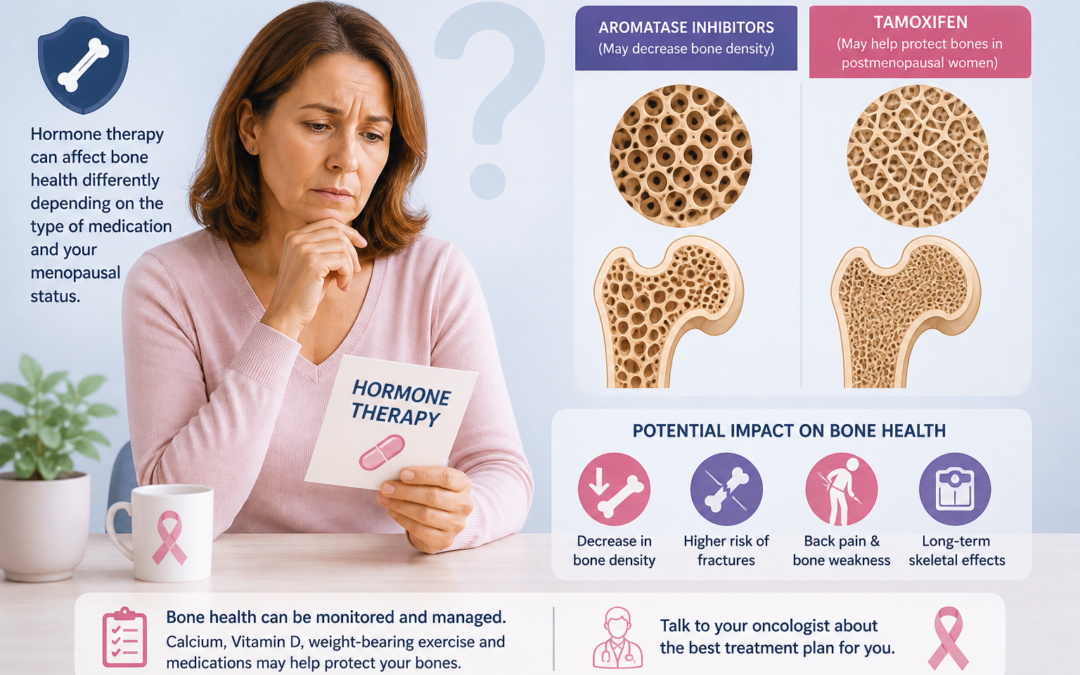
It depends on which hormone therapy you mean. The hormone therapy used for menopause symptoms generally protects bones, because estrogen slows bone breakdown. The hormone treatments used for cancer work the other way round. Aromatase inhibitors for breast cancer and androgen deprivation therapy for prostate cancer lower estrogen or testosterone, and over time that can thin the bones.
Dr. Sandeep Nayak, who provides cancer treatment in Bangalore, says people hear “hormone therapy” and assume it’s one thing. “It isn’t. The tablet a woman takes for hot flashes and the injection a man takes for prostate cancer are very different, and they do opposite things to bone. The good news about the cancer kind is that we know it’s coming. A bone scan before you start, calcium and vitamin D, some weight-bearing exercise, and a medicine for the bones when needed. All of it works. What I don’t want is someone finding out from a broken wrist.”
Starting hormone therapy and worried about your bones?
Hormone Therapy and Bone Loss: Which Treatments Affect Your Bones
The effect differs a lot from one treatment to the next:
- Menopausal hormone therapy usually protects bones. Estrogen slows the breakdown of bone, which is why it’s used for that purpose. It isn’t an option for most people after a hormone-sensitive breast cancer, which is where the cancer treatments below come in.
- Aromatase inhibitors speed up bone loss. In women who’ve been through menopause, they cut estrogen to very low levels. Bone loss runs at about twice the usual pace, and the risk of fractures goes up.
- Tamoxifen is different. After menopause, it may actually help protect bones. Before menopause, it can speed loss up.
- Androgen deprivation therapy for prostate cancer thins bones too. The loss is faster than normal ageing, and the fracture risk rises. Our prostate cancer treatment in Bangalore page explains how the treatment is planned.
Hormone Therapy Side Effects on Bones: How to Protect Them
The good news is that this is one of the most preventable side effects:
- Get a bone density scan. A DEXA scan before you start, or soon after, shows where you’re beginning from. It’s repeated as your doctor advises, so changes get caught early.
- Calcium, vitamin D and weight-bearing exercise. Walking, stairs and light weights all count. Guidelines recommend them as a routine, not an extra. Our diet counselling team can help with the food side, and our blog on what science says about food and cancer separates useful advice from the noise.
- Bone-protecting medicines when they’re needed. Bisphosphonates and denosumab prevent bone loss. They’re considered if your scan score is low, you’ve had a fracture, or you’re losing bone fast, and denosumab has been shown to cut fractures in women on aromatase inhibitors. Our breast cancer treatment in Bangalore page covers how follow-up works.
- Cut the avoidable risks. Stop smoking, keep alcohol low, make your home safe against falls, and tell your doctor about steroids or any new back pain or fracture. Our oncology team can review all of this with you.
What Determines the Right Treatment Approach?
Two people on hormone therapy can end up with quite different plans, which is the idea behind personalised plans in cancer care. A few things decide it:
- Which treatment, and for how long. A five to ten year course means a longer stretch of low hormone levels, so there’s more time for bone loss.
- Where your bones start. Age, earlier fractures, a family history of osteoporosis, low body weight and long-term steroid use all raise the risk.
- Whether you’ve been through menopause. For breast cancer, that influences both which drug you’re on and how much it affects your bones.
- Your other health. Kidney function, your vitamin D level and your dental health all matter, and a dental check is usually advised before starting some bone-protecting drugs.
- The benefit of the cancer treatment. Hormone therapy lowers the chance of the cancer coming back, and protecting your bones is part of what makes it possible to carry on with it. Skeletal health is considered in choosing the drug and how long you take it.
Key Takeaways
- Menopausal hormone therapy generally protects bones, but the hormone treatments used for cancer can thin them.
- Aromatase inhibitors and androgen deprivation therapy speed up bone loss and raise fracture risk, and tamoxifen is more neutral.
- A bone density scan, calcium, vitamin D and weight-bearing exercise are the foundation, and bone-protecting medicines are added when needed.
- Don’t stop your cancer treatment because of bone worries. Tell your team, because bone loss can usually be prevented or managed.
- For questions about your own situation, you can contact the clinic at +91 9482202240
FAQs
Does hormone therapy for breast cancer cause osteoporosis?
It can, particularly with aromatase inhibitors, which speed up bone loss. Not everyone ends up with osteoporosis, and it’s largely preventable. A scan before you start, plus calcium, vitamin D, exercise and bone-protecting medicine when needed, keep most women well covered.
Does hormone therapy for prostate cancer weaken bones?
Yes. Androgen deprivation therapy thins bones faster than normal ageing, and it raises the chance of fractures. Men on it should have their bone health checked and follow the same basics: calcium, vitamin D, exercise and, if needed, a bone medicine.
Can I just take calcium and vitamin D to protect my bones?
They’re recommended as routine, but on their own they may not be enough if you’re losing bone quickly. Ask your doctor to check your vitamin D level and to set the right dose, instead of choosing high doses yourself.
Should I stop my hormone therapy if my bones are thinning?
Not on your own. The cancer treatment is protecting you, and bone problems can usually be handled alongside it. Talk to your oncologist, who may add a bone medicine or adjust your plan.
References
-
National Cancer Institute (NCI) – Hormone Therapy for Breast Cancer: https://www.cancer.gov/types/breast/treatment/hormone-therapy
-
American Cancer Society – Hormone Therapy for Breast Cancer: https://www.cancer.org/cancer/types/breast-cancer/treatment/hormone-therapy-for-breast-cancer.html
-
Cancer Research UK – Hormone Therapy for Breast Cancer: https://www.cancerresearchuk.org/about-cancer/breast-cancer/treatment/hormone-therapy
Disclaimer
This content is published for educational and informational purposes only and is not a substitute for medical advice. Please speak to your oncologist before changing or stopping any treatment.