
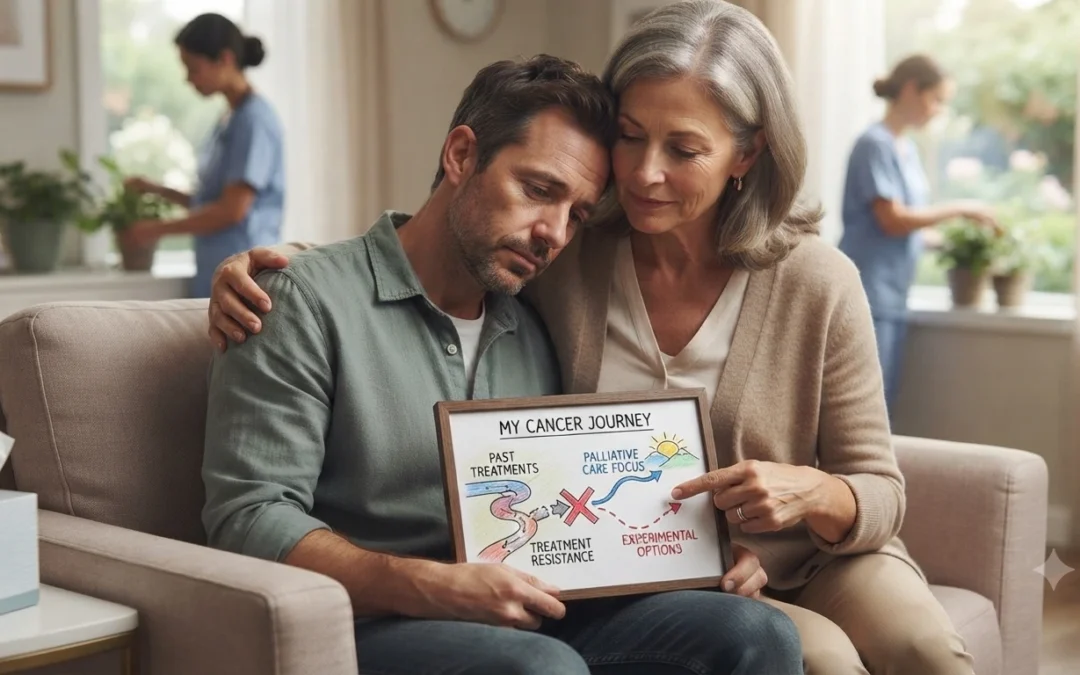
Then the team looks again at what is happening and plans the next step, and in many cases there is still something to try. When cancer treatment isn’t working, doctors may switch to a different drug, test the cancer again for a new target, suggest a clinical trial, treat a few stubborn spots with radiation or surgery, or shift the focus to comfort and quality of life, and sometimes it’s a mix of these. A treatment failing doesn’t automatically mean the options have run out.
Dr. Sandeep Nayak, who provides cancer treatment in Bangalore, at MACS Clinic, says, “Treatment not working is rarely a single moment. It tends to show up on scans over time, and the first job is to confirm it and work out why. Sometimes the answer is a different drug, sometimes a new test result opens another door, and sometimes the right move is to focus on comfort. What matters is that the decision is made with the patient, not for them.”
For the chemotherapy version of this question, see What if cancer doesn’t respond to chemotherapy?
Explore the next treatment options when cancer does not respond as expected.
What Does It Mean When Cancer Treatment Isn’t Working?

- It may not have worked from the start. Some cancers barely respond to the first treatment. The tumour doesn’t shrink, or it keeps growing, and doctors call that primary resistance.
- Or it worked for a while and then stopped. Cancer cells change over time, and a few can learn to get around a drug. That’s why a treatment can do well for months and then lose its grip.
- Sometimes only a few spots grow. When most of the cancer is still controlled, doctors don’t always change everything. The post on what oligoprogression is explains this pattern.
- It’s judged over time, not on one scan. Scans, blood markers and how you’re feeling are weighed together. One unclear result rarely decides it, and the team often repeats the scan before acting.
- Sometimes the side effects are the problem. Treatment is occasionally stopped because the body can’t cope with it, even when the cancer is responding. That’s a different situation from the cancer winning.
- It isn’t a sign the patient did something wrong. Resistance comes from how the cancer cells behave. It isn’t caused by missed days, the wrong food or not being positive enough.
What Happens Next If Cancer Treatment Fails?

- Confirm it, then find out why. Repeat scans come first, and sometimes a fresh biopsy or a liquid biopsy to see what has changed in the cancer.
- Switch to a different drug. Doctors often move to a second-line treatment, meaning a different drug or combination. Which one depends on what has already been tried and how the cancer responded.
- Look for a new target. Precision oncology testing can turn up a change that points to targeted therapy or immunotherapy.
- Treat a few stubborn spots directly. Focused radiation therapy or surgery for selected spots can sometimes buy time, as covered in Can Stage 4 Cancer Be Treated With Surgery?
- Ask about clinical trials. A trial can give access to a treatment that isn’t widely available yet. Eligibility rules are strict, so it’s worth raising early with the team.
- Bring in comfort-focused care. Palliative care eases symptoms and can run alongside treatment, not only at the end, as the blog on palliative care explains.
- Get a second opinion if you’re unsure. It’s a normal step, and what a second opinion involves is explained here.
For the wider picture of advanced disease, the previous blog on what a stage 4 cancer diagnosis actually means is a good place to start.
What Determines the Right Treatment Approach?
- Cancer type and what has been tried. Which drugs have been used, and how the cancer responded, narrows what comes next.
- What the testing shows. Biopsy and molecular results can open some options and close others.
- Fitness and how you’re coping. Strength, organ function and side effects decide what is safe to offer.
- What matters to you. Time, symptoms, family and quality of life all count, and your wishes shape the plan.
- Review by the whole team. Medical, surgical and radiation oncology looking at the same case together.
- Emotional support. This is a hard moment, and onco-psychology support can help patients and families.
- Risks and limits. New treatments bring their own side effects and may not work. Trials aren’t guaranteed, and no approach can promise a cure.
Key Takeaway
When cancer treatment isn’t working, it rarely means nothing more can be done. The team usually confirms what is happening, looks for what changed and then weighs a new drug, a new target, a trial, local treatment or comfort-focused care, often in combination. Questions about your own situation are best discussed with your treating oncologist.
Frequently Asked Questions
Does cancer treatment not working mean there are no options left?
Usually not. There are often other drugs, tests or approaches to consider, though how many depends on the cancer.
Can the same treatment be tried again?
Occasionally, but more often the team switches to a different drug or approach.
Should I ask about a clinical trial?
Yes, it’s worth asking. Trials have strict entry rules, so not everyone qualifies.
How do I know when to focus on comfort?
It’s decided together with your team, based on how the cancer is behaving, side effects and your goals. Comfort care can also run alongside treatment.
Disclaimer
This article is for patient education only. It is not medical advice and does not replace consultation with a qualified doctor. Suitability, risks and outcomes differ for each person.
References:
1. National Cancer Institute. Metastatic Cancer
2. National Cancer Institute. Clinical Trials Information for Patients and Caregivers