
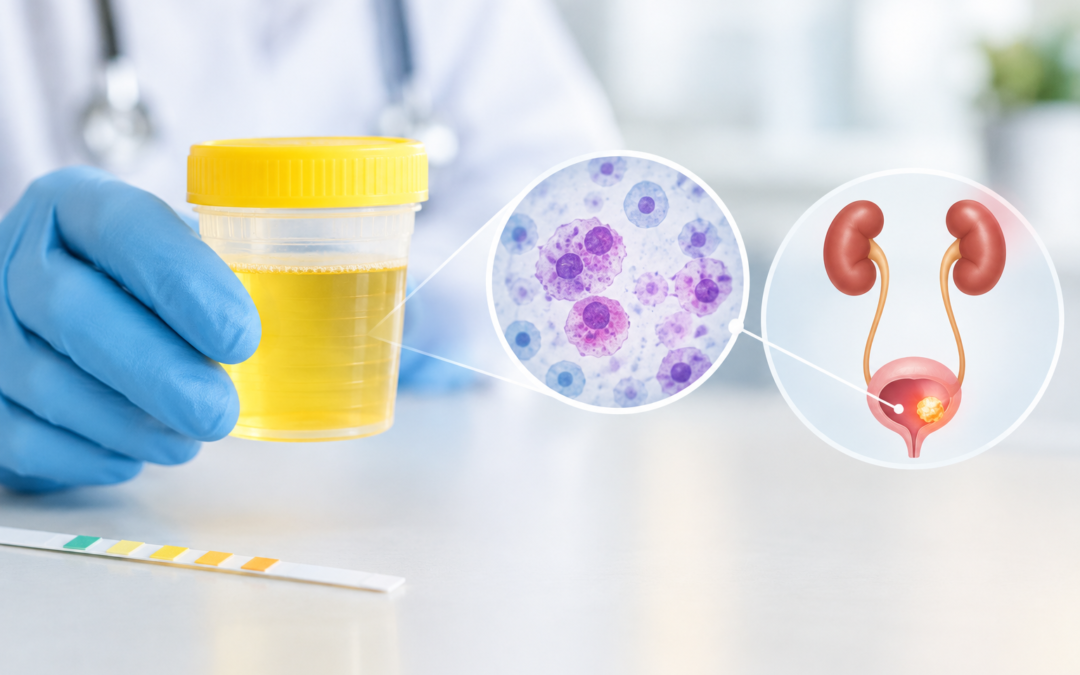
Yes, for certain cancers a urine test can actually detect it or flag an early warning sign worth investigating further. So why isn’t this the standard screening tool for everyone, the way a blood test or mammogram is? Because the science genuinely hasn’t gotten there yet for most cancer types, and where it has, it’s usually narrower than people assume from a headline.
Dr. Sandeep Nayak, known for the Best Cancer Treatment in Bangalore, gets asked about this more since urine-based cancer tests started making headlines. “People read one study and imagine a single test that catches everything from a bathroom cup. What we actually have is much more specific, urine cytology for bladder cancer, certain DNA markers being studied for a handful of other cancers. It’s real progress, it’s just not the universal test the headlines sometimes suggest.”
Curious whether a urine-based test applies to your own situation?
Where Urine Testing Actually Works Right Now?
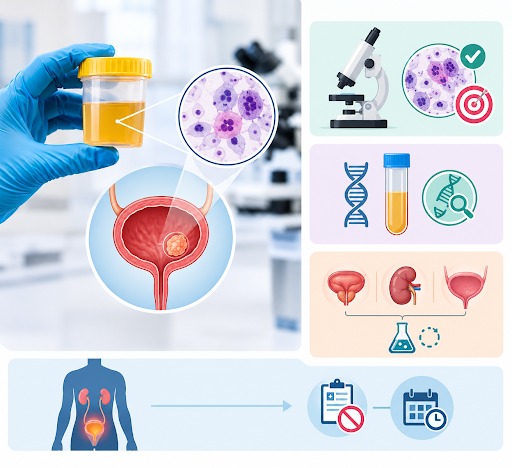
- Bladder cancer: Urine cytology can check a urine sample for abnormal cells and is already used in practice.
- Not foolproof: A positive result can be important, but a negative result does not always rule out cancer.
- Newer urine tests: Some tests look for cancer-related DNA changes and may help detect bladder cancer in certain situations.
- Other cancers: Urine testing for prostate and kidney cancer is promising, but these approaches still need more research. Learn more about the early signs of bladder cancer.
Why This Isn't Replacing Standard Screening Yet?

Why Choose MACS Clinic for Cancer Detection Grounded in What's Actually Proven?
Dr. Sandeep Nayak’s team uses urine cytology and other established diagnostic tools where they genuinely apply, particularly for suspected bladder cancer, while staying current on newer urine-based research without overselling what a single test can actually confirm on its own. Every positive or ambiguous result gets followed through with proper imaging or further testing rather than treated as a final answer either way. For patients confused by conflicting claims they’ve read online, that conversation starts with what’s actually been validated for their specific situation, not general possibility.
Have symptoms or a result you want reviewed properly? Reach the team at +91 9482202240.
FAQs
Can a urine test detect all types of cancer?
No, not currently. Urine cytology is well established specifically for bladder cancer, while urine-based tests for other cancers remain largely in research stages.
If my urine test comes back negative, does that mean I definitely don't have cancer?
Not necessarily, especially with bladder cancer, since urine cytology has lower sensitivity for low-grade tumors. A negative result combined with ongoing symptoms still warrants further evaluation.
Are newer DNA-based urine tests better than traditional urine cytology?
In some respects, yes, they can detect certain mutations cytology might miss, though they’re generally used alongside, not as a full replacement for, established methods.
Should I ask for a urine cancer test if I have no symptoms?
Generally not necessary without symptoms or specific risk factors, since these tests are typically used to investigate a concern rather than as routine screening for the general population.
References
-
NCI — Bladder Cancer Screening
Explains urine-based tests for blood, abnormal cells, and tumor markers, while noting that there is no standard screening test for bladder cancer in average-risk people.
NCI — Bladder Cancer Screening -
National Cancer Institute (NCI) — Tests and Procedures Used to Diagnose Cancer
Explains how urine tests such as urinalysis and urine cytology can help detect signs associated with certain cancers, including bladder and kidney cancers. It also emphasizes that urine tests alone cannot confirm cancer.
NCI — Cancer Diagnosis Tests
Disclaimer:This content is published for educational and informational purposes only.