

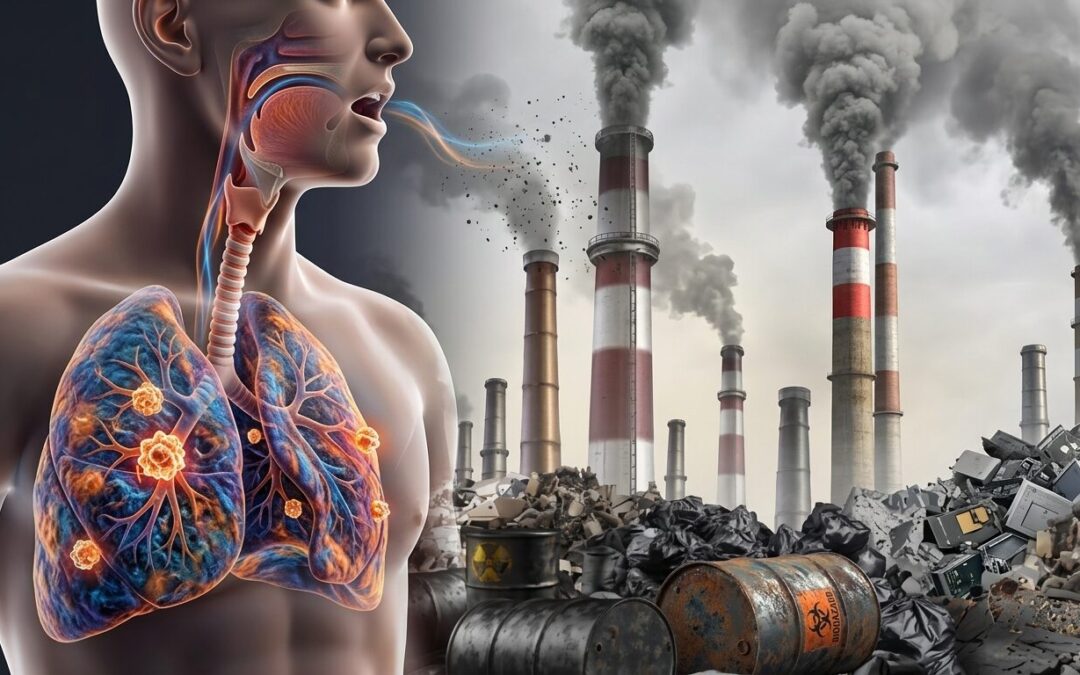
Yes, it can and the evidence is no longer up for debate. Most people hear about lung cancer and think of smoking. That link is real. But the air itself can do the same damage, and every person breathing in a polluted city is inhaling carcinogens daily, smoker or not. The WHO’s cancer research body put outdoor air pollution in the same definite carcinogen category as tobacco back in 2013. Not a maybe. A confirmed one.
Dr. Sandeep Nayak, Best Cancer Treatment in Bangalore, puts it in local terms: “We see lung cancer in non-smokers far more often than Western data would suggest, and pollution plays a big role in that. Bangalore, Delhi, Mumbai PM2.5 levels in these cities run well above WHO limits for much of the year. Someone breathing that air for thirty years is taking in carcinogens constantly, whether they’ve smoked or not.”
Worried about long-term pollution exposure?
What in Pollution Actually Does the Damage?
It’s not pollution as a whole, specific components are the problem.
PM2.5 Particles: Tiny enough to bypass the nose and throat entirely, these go straight into the deep lung and sit there. The body struggles to clear them. Years of buildup causes the kind of chronic inflammation and DNA damage that starts cancer. Indian cities regularly record PM2.5 levels two to five times above what WHO considers safe.
Polycyclic Aromatic Hydrocarbons: Released when fossil fuels burn vehicle exhaust, factory emissions, even cooking fires. These directly alter DNA in lung cells. People near busy roads or industrial zones breathe higher concentrations just going about their day.
Nitrogen Dioxide: Mostly from vehicle exhaust. Over time it wears down the airway lining and creates conditions where abnormal cells find it easier to survive and spread.
Diesel Exhaust: A confirmed carcinogen on its own. Traffic police, long-haul drivers, delivery workers anyone spending hours near heavy vehicles carries a higher exposure burden than most people realise.
Indoor Cooking Smoke: Wood, coal, biomass stoves in enclosed kitchens can concentrate these same particles at levels matching or exceeding outdoor pollution. It’s one of the clearest explanations for why non-smoking women in Indian households develop lung cancer at rates that catch people off guard.
Who Carries the Most Risk?
Pollution touches everyone, but some people get hit harder than others.
Long-Term City Residents: Ten years of exposure and thirty years of exposure are not the same thing. Decades in a high-pollution area accumulates damage that a few years simply wouldn’t.
Non-Smokers Written Off Too Easily: This group tends to get diagnosed late because nobody considered lung cancer as a possibility. Our blog on can non-smokers get lung cancer covers exactly why that assumption is dangerous.
Smokers on Top of Pollution: These two exposures together don’t just add up they multiply. The combined risk is significantly higher than either one alone.
Outdoor Workers: Construction sites, traffic duty, street vending hours outside in polluted air every single day adds up to a cumulative dose that indoor workers simply don’t face.
People With Existing Lung Problems: COPD, asthma, pulmonary fibrosis. Already inflamed airways are more vulnerable to the kind of damage that tips into cancer.
Why Choose MACS Clinic for Lung Cancer?
Dr. Sandeep Nayak’s team at MACS Clinic treats a significant number of lung cancer patients who have never smoked a day in their lives. For this group, molecular profiling changes everything. EGFR and ALK mutations show up far more often in pollution-related and non-smoker lung cancers, and targeted drugs for these mutations work very differently from standard chemotherapy. Getting that testing done early is what opens those options up.
Surgery at MACS Clinic uses robotic and minimally invasive techniques less trauma, faster recovery, shorter hospital stay. More on what treatment involves is on the Lung Cancer Treatment page. To talk through your situation, call +91 9482202240.
FAQs
Can pollution give you lung cancer even if you never smoked?
Yes. PM2.5, diesel exhaust, and hydrocarbons from burning fuel are confirmed carcinogens that damage lung DNA independent of smoking. A large share of lung cancer cases in Indian cities happen in people who never smoked, and pollution is one of the main explanations.
How much exposure actually raises the risk?
There’s no truly safe level. Risk builds with time. Living in a polluted city for decades, or working outdoors in heavy traffic daily, accumulates damage in a way that a year or two of exposure simply doesn’t.
Does an N95 mask actually help?
A properly fitted N95 filters a meaningful proportion of PM2.5 and reduces daily intake. It won’t eliminate risk completely but for people commuting or working outside regularly, consistent use does reduce cumulative lung exposure over time.
What symptoms in a city resident shouldn't be brushed off?
A cough sitting around for more than three weeks, chest discomfort, breathlessness getting gradually worse, or any blood when coughing. In someone with years of pollution exposure, a CT scan is the right next step not waiting to see if it clears up.
Disclaimer: This content is published for educational and informational purposes only.