

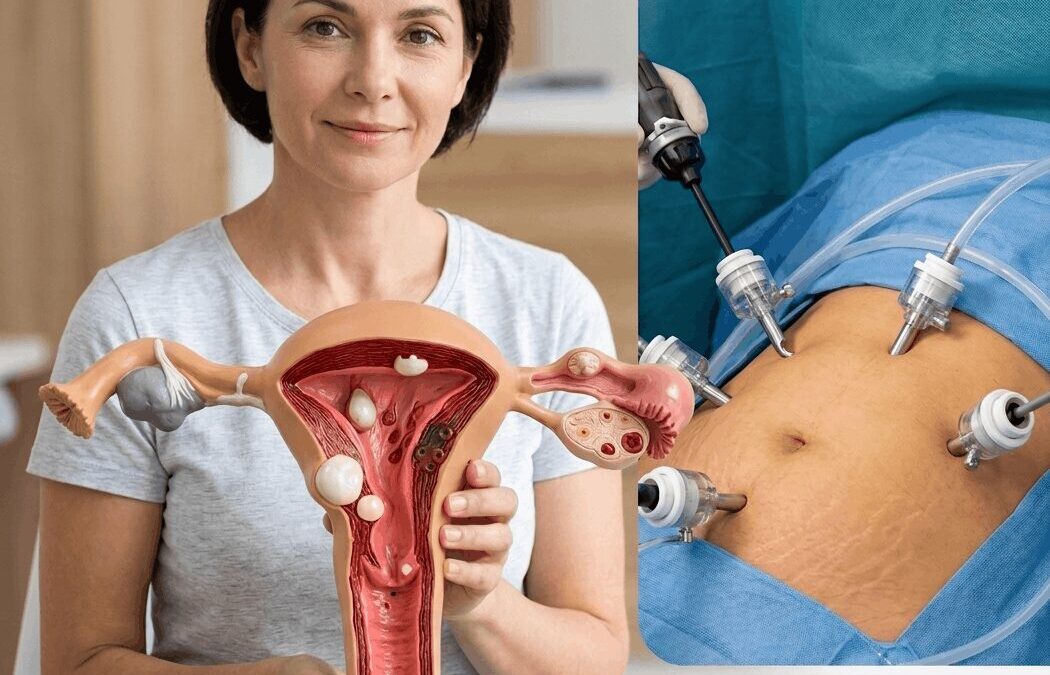
When scans just aren’t giving a clear enough answer, basically. Diagnostic staging laparoscopy is a minimally invasive procedure, a small camera goes in through tiny incisions to actually look at the abdominal organs directly. Doctors reach for this specifically when imaging leaves questions unanswered, usually around whether cancer has spread beyond what a CT or MRI can confidently confirm. The whole point is avoiding a major open surgery that might not even be necessary, or might reveal spread that changes the entire treatment plan anyway.
Dr. Sandeep Nayak, who provides Best Cancer Treatment in Bangalore, explains why this step matters so much before committing to bigger surgery. “Imaging is good, genuinely good these days, but it has limits. Small deposits on the peritoneum, tiny spread to the liver surface, these can hide from even a detailed CT scan. Staging laparoscopy lets us look directly, take biopsies if needed, and know with far more certainty whether a major operation will actually help that patient or whether it would be putting them through something without real benefit.”
Facing a cancer surgery decision and wondering what staging laparoscopy involves?
When Does This Procedure Actually Get Used?
A handful of specific situations call for this step before anything bigger happens.
When imaging is inconclusive. Scans sometimes show something suspicious but not definitive enough to confirm spread. Staging laparoscopy fills that gap with a direct look rather than more guessing.
Before major cancer surgery for high-risk cancers. Gastric cancer, pancreatic cancer, and certain ovarian cancers are common candidates, since these particular cancers have a real tendency to spread in ways imaging sometimes misses.
When peritoneal spread is suspected. Small deposits scattered across the peritoneal lining can be nearly invisible on a scan, but a direct look catches them reliably, often changing the treatment plan entirely.
To avoid unnecessary open surgery. If staging laparoscopy reveals disease that’s already spread too far for surgery to help, that finding avoids putting a patient through a major operation that wouldn’t have changed their outcome anyway. Our blog on what is metastatic cancer covers how spread patterns like this actually shape what treatment options remain realistic.
Why Does Voice Change Get Overlooked So Often?
A fairly quick, low-risk step compared to what it’s often preventing.
Small incisions, a camera, and a clear view
A few tiny cuts allow a laparoscope through, giving the surgical team a magnified look at the liver surface, peritoneum, and other structures that staging laparoscopy alone can’t fully assess through imaging.
Biopsies taken if something looks suspicious
Any concerning area gets sampled right there, sent for pathology, giving a definitive answer rather than relying on imaging interpretation alone. This is particularly important for confirming peritoneal spread before committing to a major cytoreductive operation.
Usually done as day surgery
Recovery is generally quick often just a day or so since this isn’t the major operation itself, just the look that decides what happens next. Most patients are back home the same day or the following morning.
Results directly shape the treatment plan
Whether the findings confirm surgery is worthwhile or redirect toward chemotherapy or another approach first, this step genuinely changes what comes next for that specific patient. A staging laparoscopy that prevents an unnecessary major operation is a significant clinical win in its own right.
Why Choose MACS Clinic for Staging Laparoscopy?
Dr. Sandeep Nayak’s team at MACS Clinic uses staging laparoscopy as a standard part of pre-surgical planning for cancers where hidden spread genuinely changes the treatment approach. Rather than proceeding straight to major surgery based on imaging alone, this step confirms the full picture first, sparing patients an operation that wouldn’t have helped while making sure those who do need surgery get it with full confidence in the plan.
For patients where surgery remains the right path, precision oncology and molecular profiling continue to shape treatment decisions alongside what’s found during staging. Facing a major cancer surgery decision and want to understand if this step applies to your case? Reach the team at +91 9482202240.
FAQs
Is diagnostic staging laparoscopy the same as the actual cancer surgery?
No. It’s a separate, smaller procedure done specifically to gather information before deciding on the bigger surgery. Sometimes both happen in the same session if findings support proceeding immediately.
How long does recovery take after staging laparoscopy?
Usually quite short, often just a day or two, since it’s minimally invasive and much less extensive than the major surgery it’s helping to plan.
Can this procedure change the entire treatment plan?
Yes, and that’s actually the point. If it reveals spread that wasn’t visible on scans, the plan often shifts toward chemotherapy or another systemic approach rather than surgery.
Which cancers most commonly need this step before surgery?
Gastric, pancreatic, and certain ovarian cancers are the most common candidates, given how these specific cancers tend to spread in ways that can be difficult to catch on standard imaging alone.
Disclaimer: This content is published for educational and informational purposes only.