

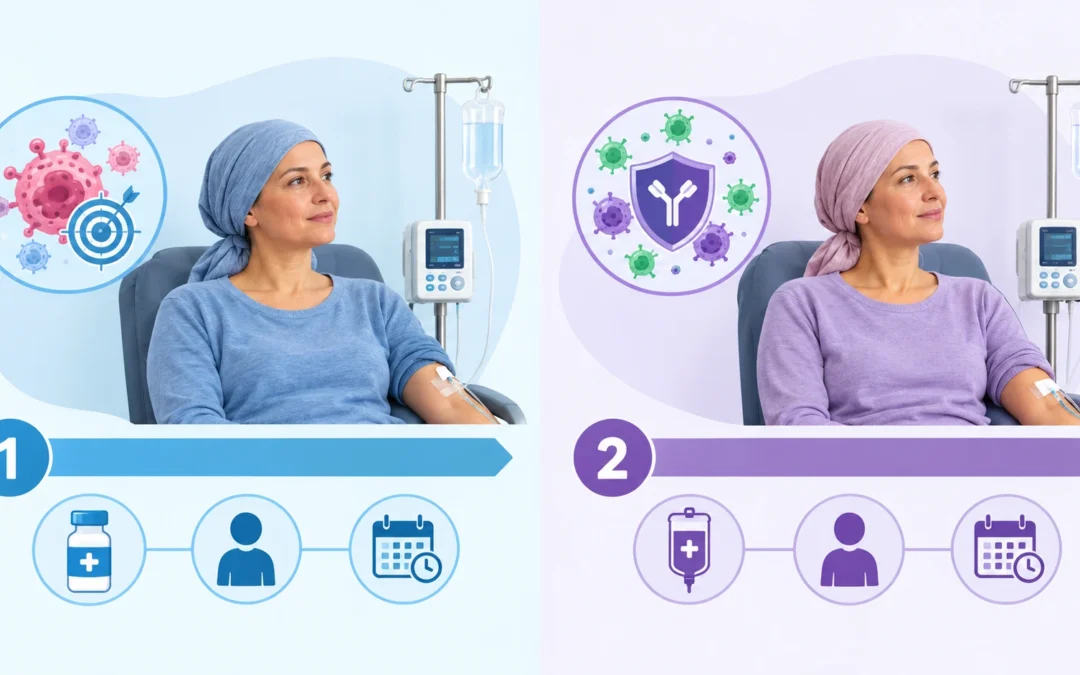
First-line chemotherapy is the initial treatment given right after diagnosis, the regimen considered the best standard option for that specific cancer at that stage. Second-line chemotherapy is what comes next if the first one stops working, fails to shrink the tumor as expected, or causes side effects too severe to continue safely. It’s not a downgrade or a backup plan exactly, it’s a deliberate shift based on how the cancer and the patient actually responded the first time around.
Dr. Sandeep Nayak, known for the Best Cancer Treatment in Bangalore, explains the shift to patients as a change in information, not a failure. “Moving to second-line treatment doesn’t mean the first choice was wrong. It means we now know something about this specific tumor we didn’t know before treatment started, how it actually responded. That knowledge shapes what comes next, sometimes a different chemotherapy combination, sometimes a completely different type of treatment altogether.”
Wondering what comes next if your current treatment isn’t working?
What Actually Separates the Two?
The difference isn’t just about order, it reflects a real shift in what’s known about the cancer:
|
Factor |
First-Line Chemotherapy |
Second-Line Chemotherapy |
|
When it’s given |
Immediately after diagnosis |
After the first treatment stops working or becomes intolerable |
|
Basis for choice |
Standard protocol for that cancer type and stage |
Response and resistance patterns seen during first-line treatment |
|
Drug options |
Typically the best-established, most broadly effective regimen |
Often a different drug class, since resistance to the first regimen needs to be worked around |
|
Expected response rates |
Generally higher, since the tumor hasn’t developed resistance yet |
Often lower, since some resistant cells may already be present |
|
Patient condition considered |
General health at diagnosis |
Cumulative toxicity from prior treatment factors into the decision |
None of these distinctions are absolute rules. They reflect general patterns that shift depending on the specific cancer and how the disease has behaved so far.
What This Actually Means for Someone Moving to Second-Line Treatment?
Hearing that the first treatment isn’t working can feel like a setback, but the reality on the ground is more nuanced than that:
- Second-line options exist precisely because oncology has moved past a one-shot approach to treatment, there’s usually a real next step
- Response rates to second-line treatment tend to be lower on average, but plenty of patients still respond well, individual results vary a lot from population averages
- Molecular or genomic testing often gets more attention at this stage, since understanding why the first treatment failed can point toward a better-targeted second option
- The switch to second-line doesn’t automatically mean a worse prognosis, it often just means a different, more tailored approach based on what’s now known
The emotional weight of hearing “second-line” often outpaces what it actually means clinically for a given patient’s situation.
Why Choose MACS Clinic for Ongoing Treatment Decisions?
Dr. Sandeep Nayak’s team reassesses treatment based on actual response data rather than moving through a fixed sequence automatically, using precision oncology testing at each stage to understand why a treatment did or didn’t work before deciding what comes next. That review happens as soon as a treatment stops delivering the expected result, not after months of waiting to see if it eventually catches up. For patients moving into second or third-line decisions, that means the next step is chosen based on this specific tumor’s actual behavior, not a generic protocol applied regardless of history.
Need to understand your own next treatment step? Reach the team at +91 9482202240.
FAQs
Does this mean my cancer got worse?
Not necessarily, no. A lot of the time it just means this particular tumor didn’t respond the way the first regimen was hoping it would, and that can happen early on too, not only in advanced cases.
Are the drugs used the second time around just a weaker version?
No, weaker isn’t really the right word. They’re usually a different type entirely, picked because they attack the cancer through a route it hasn’t already figured out how to resist
What actually triggers the switch to a second regimen?
Scans, how the patient’s feeling, and sometimes bloodwork or biomarker results all factor in, basically anything showing the current drug isn’t pulling its weight or the side effects have become too much.
If the second round doesn't work either, is that it
Not usually. There’s often a third option depending on the cancer type, so it’s worth asking the oncology team directly rather than assuming things end after round two.
Reference Links
PubMed – FOLFOX Second-Line Meta-analysis
PubMed – Second-Line Chemotherapy Review
Disclaimer:This content is published for educational and informational purposes only.