

Blogs

Can Cancer Treatment Cause a Second Cancer Later?
Yes, treatments like radiation therapy and certain chemotherapy drugs can, in a small number of cases, cause a genuinely new and unrelated cancer...
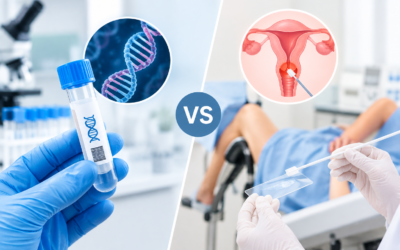
Is an HPV DNA Test Better Than a Pap Smear?
Generally, yes, as the primary screening tool at least. HPV DNA testing picks up high risk strains of the virus that actually cause cervical cancer,...

Can Cold Caps Prevent Chemo Hair Loss?
Yes, they can, sometimes significantly, though how well they work varies a lot depending on which drugs are involved and the individual patient....
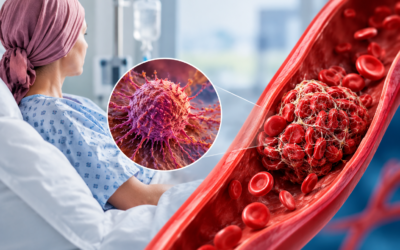
Does Cancer Increase Blood Clot Risk?
Yes, cancer raises the risk of a dangerous blood clot, a venous thromboembolism, meaning deep vein thrombosis or pulmonary embolism, by roughly four...
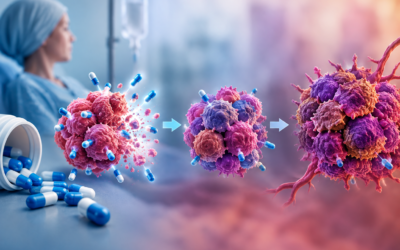
Why Do Cancer Drugs Stop Working Over Time?
Cancer drugs stop working over time because cancer cells adapt, mutate, and find new ways to survive treatment, a process doctors call acquired...
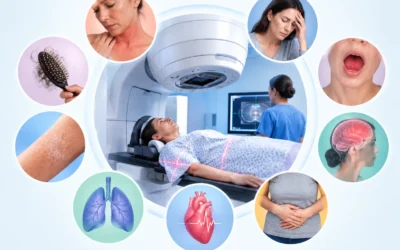
What Are the Long-Term Side Effects of Radiotherapy?
Long-term side effects of radiotherapy, doctors usually call them late effects, can show up months or even years after treatment actually ends, and...
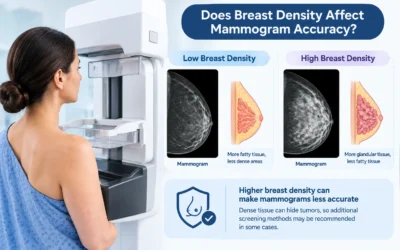
Does Breast Density Affect Mammogram Accuracy?
Yes, and it comes down to something almost mechanical about how a mammogram actually renders tissue. Dense breast tissue shows up white on the...
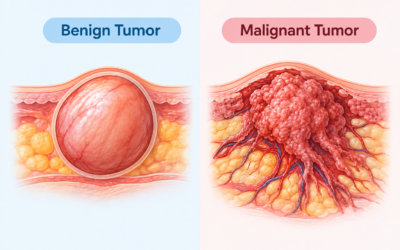
Benign vs Malignant Tumors: What’s the Difference?
The core difference comes down to behavior, not appearance. Benign tumors are non-cancerous and stay contained where they form, they don't invade...
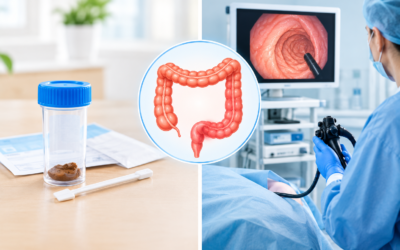
Stool Test vs Colonoscopy: Which Is Better for Screening?
A colonoscopy is considered the clinical gold standard for colon cancer prevention, mainly because a doctor can find a precancerous polyp and remove...