
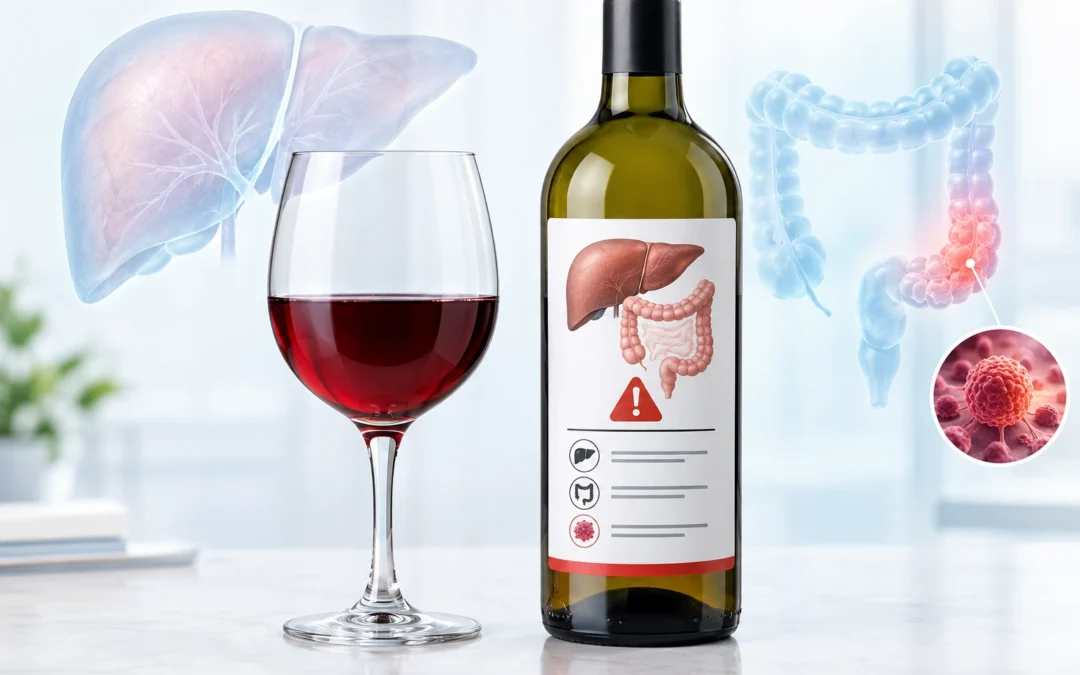
The science underneath this question isn’t really controversial. The World Health Organization classifies alcohol as a Group 1 carcinogen, the same category as tobacco and asbestos, and it’s linked to at least seven cancers including breast, liver, and colorectal cancer. What’s genuinely contested is the policy question, whether that fact should sit printed on a bottle, and that debate has gotten louder over the past couple of years, with public health authorities pushing one way and the alcohol industry pushing hard the other.
Dr. Sandeep Nayak, known for the Best Cancer Treatment in Bangalore, sees the awareness gap play out in his own consultations regularly. “Patients ask what caused their cancer and get uncomfortable when I mention the evening drink they’ve had for twenty years. Most people genuinely don’t know alcohol belongs in the same carcinogen category as cigarettes. That’s not a controversial medical fact, it’s just one that hasn’t reached most people yet.”
Curious about your own alcohol-related cancer risk?
Why This Debate Has Picked Up So Much Momentum?
A handful of developments over the past couple of years have pushed this from a quiet public health talking point into an active global fight:
- The outgoing US Surgeon General called for cancer warnings on alcohol labels in early 2025, noting alcohol is the third-leading preventable cause of cancer in the US after tobacco and obesity
- The WHO’s Europe office has been actively pressing for cancer warnings on all alcoholic drinks, including beer, framing it as the natural next step after decades of tobacco warning labels
- Ireland passed a law requiring cancer warnings on alcohol containers, positioning itself as the first country in Europe to do so, though implementation has been pushed back to 2028 amid pressure
- Surveys cited by public health researchers suggest only about half of adults even know alcohol causes cancer, which supporters argue is exactly the gap a label is meant to close
None of this has settled the actual policy question yet. It’s made the disagreement sharper and more public, not resolved it.
What Each Side Is Actually Arguing?
Why Choose MACS Clinic for Cancer Risk and Prevention Guidance?
Dr. Sandeep Nayak’s team discusses alcohol and other dietary risk factors honestly as part of a broader cancer prevention conversation, regardless of where labeling policy ends up landing in any given country.Want to understand your own risk factors and how to address them? Reach the team at +91 9482202240.
FAQs
Is the cancer link to alcohol actually settled science?
Yes. The Group 1 carcinogen classification and the link to at least seven cancer types are well established, that part of the debate isn’t in real scientific dispute
Does moderate drinking carry less cancer risk than heavy drinking?
Risk does scale with amount, but current evidence suggests there’s no fully safe level for cancer risk specifically, even if other health effects vary by amount.
Why is the alcohol industry opposed to warning labels specifically?
Industry groups argue the labels stigmatize their product and could affect trade, tourism, and sales, and some also question how much a label actually changes drinking behavior.
Has any country actually implemented mandatory cancer warnings on alcohol?
South Korea has required them for several years. Ireland has legislated for them but delayed implementation, and several other countries are actively debating similar measures.
References
- WHO — Alcohol and Cancer: Alcohol is an established carcinogen and is linked to several cancers. WHO: Alcohol and Cancer
- WHO — Health Warning Labels on Alcoholic Beverages: Discusses why warning labels can improve awareness and support informed choices. WHO: Health Warning Labels on Alcoholic Beverages
Disclaimer:This content is published for educational and informational purposes only.