

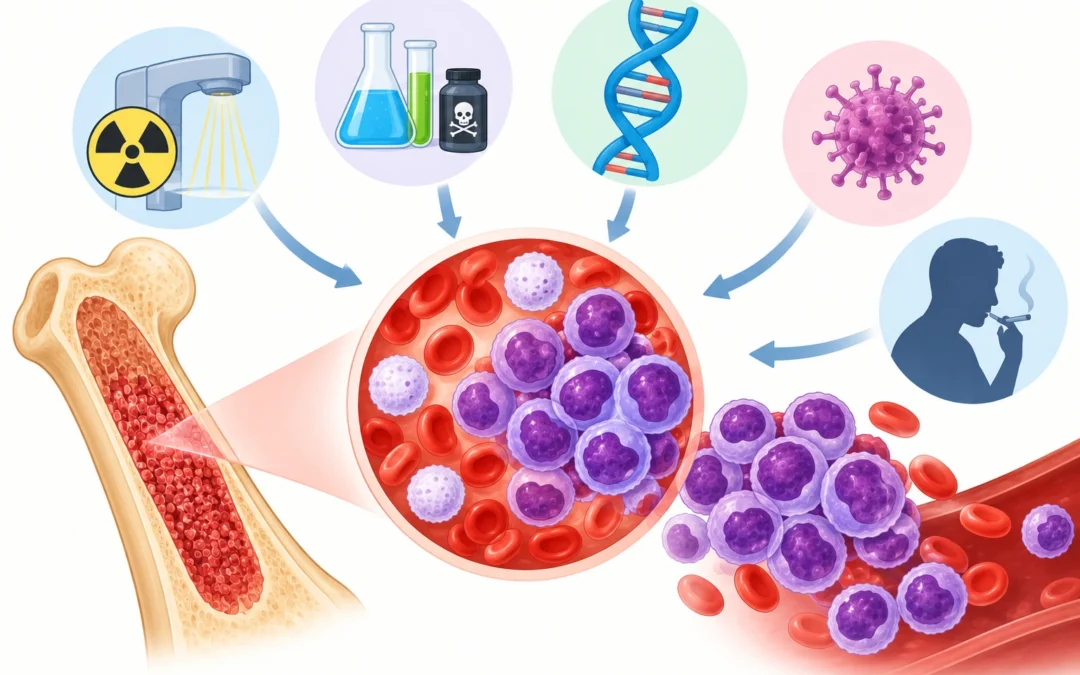
Genetic mutations in developing blood cells, that’s the mechanism, well understood at this point. Changes in the DNA of cells forming inside bone marrow cause white blood cells to grow out of control, crowding out the healthy ones the body actually needs. What’s less understood is why those mutations happen in the first place. Scientists know the how, the mutation itself, but the why, what actually triggers that mutation in any specific person, mostly stays unanswered
Dr. Sandeep Nayak, Best Cancer Treatment in Bangalore, gets this question from nearly every family facing a leukemia diagnosis. “Parents especially want to know what caused it, was it something they did, something environmental, something genetic they passed on. Most of the time, honestly, there’s no clear answer. We know the mutation happened. We usually can’t say why it happened in that specific person. That uncertainty is hard to sit with, but it’s the honest answer.”
Trying to understand a leukemia diagnosis in your family?
What Risk Factors Are Actually Known?
While the exact trigger stays unclear in most cases, certain factors are linked to higher risk.
Previous radiation exposure. High dose radiation, whether from past cancer treatment or other significant exposure, is one of the more established risk factors for developing leukemia later.
Certain chemical exposures. Long term exposure to benzene, found in some industrial and occupational settings, has a documented link to increased leukemia risk.
Some genetic conditions present from birth. Down syndrome and a small number of other inherited conditions carry a higher baseline risk of developing leukemia, though most people with leukemia don’t have any of these conditions.
Previous chemotherapy for another cancer. Certain chemotherapy drugs used to treat a prior cancer can, in a small percentage of cases, contribute to leukemia developing years later, a recognized though uncommon risk of past treatment.
Family history, to a limited degree. Having a close relative with leukemia slightly raises individual risk, though the vast majority of leukemia cases occur without any family history at all.
Why Can't Doctors Usually Pinpoint the Exact Cause?
Why Choose MACS Clinic for Leukemia Diagnosis and Treatment?
Dr. Sandeep Nayak’s team at MACS Clinic focuses on what can actually be acted on, the specific genetic profile of the leukemia itself, rather than dwelling on an unanswerable question of ultimate cause. Molecular testing identifies the specific mutations driving that particular leukemia, which genuinely shapes treatment decisions going forward.
For families processing a new diagnosis, that same molecular clarity helps guide what treatment approach makes the most sense for that specific case. Facing a leukemia diagnosis and want to understand what comes next? Reach the team at +91 9482202240.
FAQs
Is leukemia hereditary?
Rarely directly hereditary, though having a close relative with leukemia does slightly raise risk. Most cases occur in people with no family history at all
Can lifestyle choices cause leukemia the way they can with some other cancers?
Not in the same clear way. Unlike lung cancer and smoking, for example, leukemia doesn’t have a strongly established lifestyle cause for most cases, though certain chemical exposures are linked to increased risk
Does everyone exposed to a known risk factor like radiation develop leukemia?
No, most people exposed to these risk factors never develop leukemia. Risk factors increase probability, they don’t guarantee the disease will occur.
Can genetic testing explain why a specific person got leukemia?
Genetic testing on the leukemia cells themselves can identify which mutations are driving that particular cancer, which helps guide treatment, though it usually can’t explain why the original mutation happened in the first place.
References
- NCBI PMC — Occupational and Environmental Risk Factors of Leukemia: A Review: https://pmc.ncbi.nlm.nih.gov/articles/PMC3668148
- NCBI PMC — Germ Line Mutations Associated with Leukemias: https://pmc.ncbi.nlm.nih.gov/articles/PMC6142470
Disclaimer:This content is published for educational and informational purposes only.