

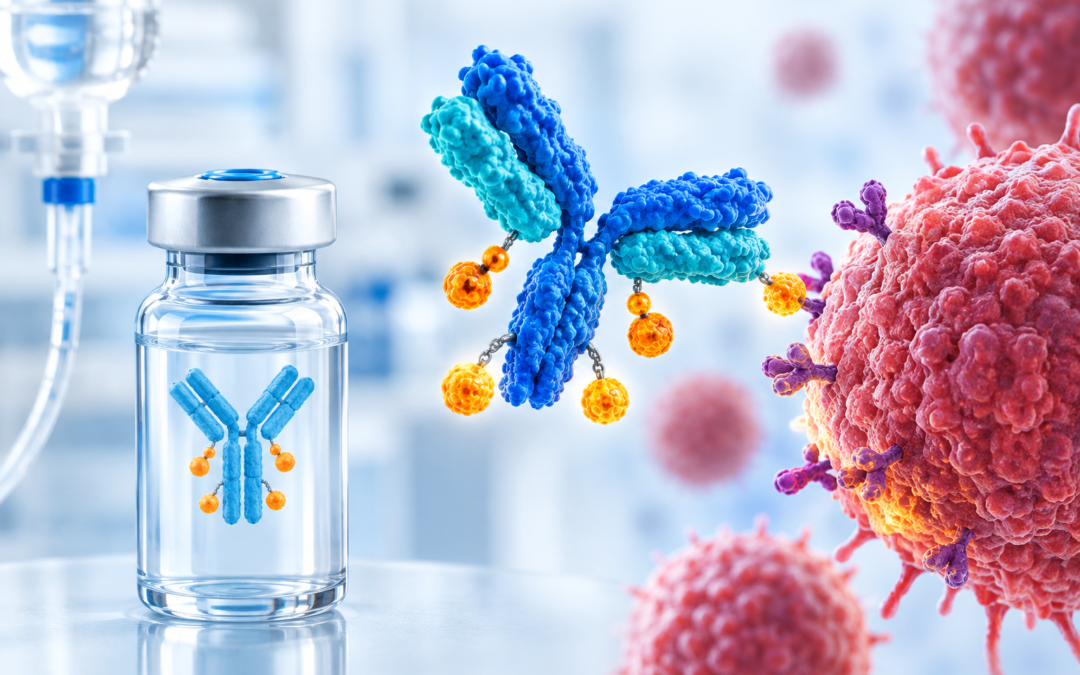
Biological missiles, that’s genuinely how oncologists describe them, and it’s not a bad way to picture it. Antibody-drug conjugates, ADCs, combine an antibody that specifically seeks out cancer cells with a powerful chemotherapy drug attached to it, so the treatment finds its target first and delivers the actual damage there, rather than flooding the whole body the way standard chemotherapy does. Healthy tissue gets largely spared in the process, which is the whole point of building the drug this way.
Dr. Sandeep Nayak, Best Cancer Treatment in Bangalore, explains why this matters for patients directly. “Traditional chemotherapy kills fast-dividing cells wherever it finds them, cancer cells, yes, but also hair follicles, gut lining, bone marrow, which is why side effects hit so broadly. ADCs are built to be more selective. The antibody part recognizes something specific on the cancer cell surface, latches on, and only then releases its chemotherapy payload. Same powerful drug, much more targeted delivery.”
Curious whether an ADC applies to your specific cancer type?
What the Cost Actually Covers and What It Doesn't?
- Target selection: Explain that the antibody binds a specific cell-surface antigen, but the target may also be present on some normal cells—so ADCs are selective, not perfectly cancer-specific.
- Antibody–drug conjugate structure: Briefly introduce the three essential components: antibody + linker + cytotoxic payload.
- Target binding: The antibody recognizes and attaches to the target antigen on the cancer cell.
- Internalization: Many ADCs are taken into the cancer cell through receptor-mediated endocytosis.
- Payload release: The linker is designed to release the drug inside the cell, either through enzymatic cleavage, acidic conditions, reduction, or degradation of the antibody.
- Cancer-cell killing: The released payload interferes with processes such as DNA replication or microtubule function, ultimately causing cell death.
- Bystander effect: Some ADC payloads can cross cell membranes and kill nearby cancer cells that have little or none of the target antigen.
- Why toxicity can still occur: Because target antigens can occur on healthy tissues and because some payloads can affect neighbouring cells, ADCs can still produce significant side effects.
Which Cancers Are ADCs Used For?
Why Choose MACS Clinic for Precision Treatment Options?
Dr. Sandeep Nayak’s team at MACS Clinic uses molecular testing to identify whether a patient’s specific tumour carries a target that makes ADC treatment genuinely relevant, rather than offering it as a generic option disconnected from the tumour’s actual biology. Precision oncology testing determines this upfront, before any treatment decision gets made.
For patients whose tumour profile doesn’t support an ADC, other targeted or systemic options are discussed based on what the molecular testing actually shows. Want to understand whether your specific cancer has a targetable marker? Reach the team at +91 9482202240.
FAQs
Are antibody-drug conjugates the same as chemotherapy?
Not exactly, though they contain a chemotherapy component. The difference lies in delivery, ADCs target the drug specifically to cancer cells, while traditional chemotherapy circulates throughout the whole body.
Do ADCs have fewer side effects than standard chemotherapy?
Generally, yes, though not zero. Because the drug targets specific cells more precisely, many patients experience fewer or milder side effects compared to systemic chemotherapy, though this varies by specific ADC and individual patient.
How do doctors know if an ADC will work for a specific patient?
Through molecular or biomarker testing on the tumour tissue, confirming whether the specific target protein the ADC is designed for is actually present on that patient’s cancer cells.
Are ADCs available for all cancer stages?
Availability depends more on tumour biology than stage specifically, though many current ADCs are approved for advanced or metastatic disease, with research ongoing into earlier stage use as well.
References
Disclaimer:This content is published for educational and informational purposes only.