
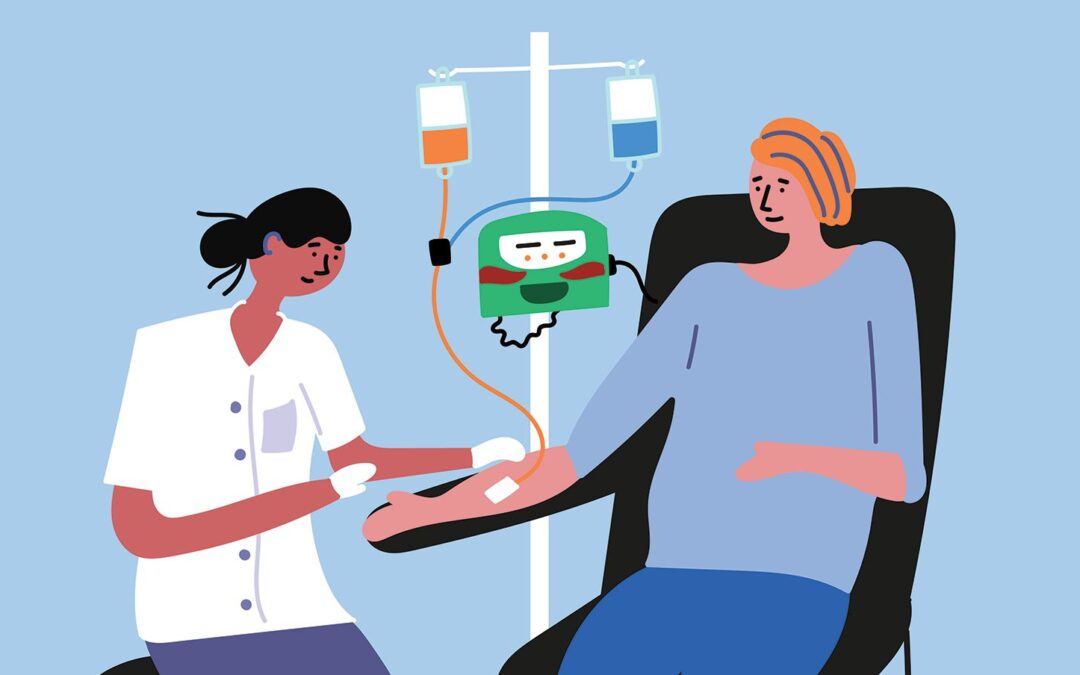
Refusing chemo when your oncologist recommended it after surgery means microscopic cancer cells already floating in your blood or sitting in lymph nodes stay alive with nothing stopping them from growing back. Adjuvant chemo exists to kill exactly those cells that surgery couldn’t get to. Patients who skip recommended chemo face 30-50% higher recurrence rates depending on cancer type and stage.
According to Dr. Sandeep Nayak, Best cancer treatment in Bangalore,
“They refuse because someone’s neighbour had a bad experience. Meanwhile the cells surgery couldn’t see are multiplying while the patient debates a decision based on WhatsApp forwards instead of their own pathology report.”
Side effects end. Recurrence doesn’t negotiate.
What Are the Actual Risks ?
Chemo isn’t prescribed to fill a hospital bed. When your report says you need it there’s a number behind that recommendation.
- Recurrence: Cells already in blood or nodes survive and grow silently for months. They show up later as Stage IV metastatic disease in liver or lungs when the original cancer was only Stage II. That jump is what skipping chemo risks.
- Spread to distant organs: Cancer that could’ve stayed local reaches bones, brain, liver. Once it crosses into distant sites the conversation shifts from cure to management. That shift is permanent and it happened because cells that chemo would’ve killed got left alone.
- Survival gap: Published data across breast, colon, ovarian cancers shows 15-25% survival difference between those who completed adjuvant chemo and those who didn’t. Direction of that gap never changes regardless of which study you read.
- Harder treatment later: Cancer coming back after skipping first-line chemo usually needs nastier drugs with worse side effects. The regimen your oncologist offered first was actually the gentler version. What comes after recurrence is rougher on the body every single time.
Your oncologist explains why chemo was recommended for your specific report through precision oncology pathology review not a generic protocol.
When Is Declining Actually Reasonable ?
Refusing isn’t always wrong. Some patients genuinely don’t need chemo and a good oncologist says so before you even raise the question.
- Very early stage: Stage I, clear margins, zero node involvement, favourable biology. If your oncologist isn’t recommending chemo then you’re not refusing treatment. You’re following the plan. Different thing entirely.
- Elderly with failing organs: 85-year-old whose kidneys and heart are already struggling may not survive the chemo well enough to benefit from it. Toxicity outweighing gain is a real clinical calculation not an excuse to skip treatment.
- Oncotype says skip: Breast cancer patients can get Oncotype DX scoring that tells you whether chemo actually helps your specific tumor or not. Low score means chemo adds nothing measurable. Skipping it then is evidence-based medicine not fear-based refusal.
- Comfort over toxicity: Advanced cancer where cure isn’t on the table anymore. If chemo won’t extend life meaningfully and will make remaining months miserable then choosing comfort is a medical decision your oncologist should support not argue against.
Understanding how targeted therapy offers alternatives for specific tumor types helps patients realize that refusing chemo doesn’t always mean refusing all systemic treatment.
Why Choose MACS Clinic?
Dr. Sandeep Nayak’s team at MACS Clinic explains pathology reports in language patients actually follow so the decision about chemo belongs to you but it’s informed not emotional. Nobody gets pressured into treatment and nobody walks away from it without understanding what they’re choosing.
Patient who needs chemo gets told why with numbers from their own report. Patient who doesn’t need it hears that too. Gap between pressuring and informing is what makes consent real instead of a signature on a form nobody read.
FAQs
Can I refuse chemotherapy after cancer surgery?
Legally yes, but understand the recurrence risk increase before deciding.
Will cancer definitely come back if I skip chemo?
Not definitely, but risk increases 30-50% depending on cancer type and stage.
Are there alternatives to chemotherapy?
Targeted therapy, immunotherapy, or hormonal therapy may apply depending on tumor biology.
Should I get a second opinion before refusing chemo?
Absolutely, another oncologist’s perspective confirms whether chemo is truly needed.
References
- Adjuvant chemotherapy guidelines — National Cancer Institute
- Cancer treatment refusal outcomes — World Health Organization