
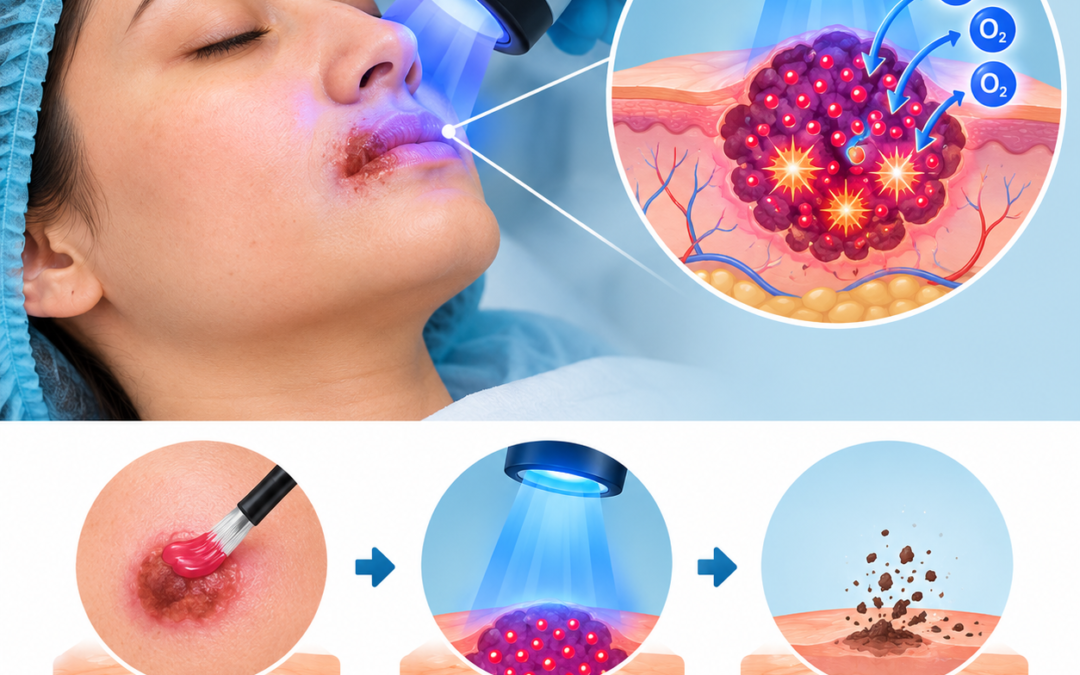
Photodynamic therapy is a treatment that combines a light-sensitive drug with a specific type of light to target abnormal or cancerous cells. The drug is applied to the skin or given to the patient, where it tends to collect more in abnormal cells. Once the area is exposed to the right light, the drug becomes activated and helps destroy those targeted cells while causing less damage to the surrounding healthy tissue. For skin cancer, photodynamic therapy is mainly used for certain superficial cancers and precancerous lesions, particularly when they are detected early.
Dr. Sandeep Nayak, who provides the Best Cancer Treatment in Bangalore, explains why it suits some cases and not others. “PDT isn’t the right tool for every skin cancer, but for the right case, superficial basal cell carcinomas, certain precancerous lesions, it does something genuinely useful. The light activated drug targets abnormal cells fairly selectively, which means less damage to surrounding healthy tissue compared to some other approaches. It’s not a universal replacement for surgery, it’s an additional option that fits specific situations well.”
Curious whether photodynamic therapy applies to your specific skin lesion?
How Does Photodynamic Therapy Actually Work Step By Step?
-
The order stays pretty consistent, even if the timing shifts depending on the lesion.
- A photosensitizing drug goes on first, straight onto the lesion or sometimes given through the body, and it has a real appetite for abnormal, fast-dividing cells over normal tissue.
- Then you wait. Usually a few hours, letting the drug settle properly into the cells it’s meant to target before anything else happens.
- Next comes the light. A specific wavelength, picked to match whatever activates that particular drug, gets aimed right at the treated patch.
- Here’s where it works. Once the light switches the drug on, it throws off reactive oxygen species inside the cells it had concentrated in, and those tear the cells apart while the healthy tissue around them mostly escapes. Nothing like how sunscreen works to prevent skin cancer in the first place, worth saying.
And sometimes one round isn’t enough. Bigger or more stubborn lesions can need several sessions, with the skin still changing and healing for weeks afterward.
Which Skin Cancers Is This Actually Used For?
Why Choose MACS Clinic for Skin Cancer Treatment Decisions?
Dr. Sandeep Nayak’s team at MACS Clinic looks at each lesion on its own before deciding whether photodynamic therapy actually fits, or whether surgery or something else would serve the patient better. The lesion drives the call, not a habit of reaching for one favoured technique, and that gets sorted before the plan is locked in rather than patched on afterward. Two decades in surgical oncology sits behind that read.
When surgery is the better path, minimally invasive methods get used wherever the case allows, so there’s less scarring and quicker healing. Nobody here gets steered toward one method when another would plainly suit them more.
Call +91 8104310753 to book your consultation.
FAQs
Is photodynamic therapy painful?
There can be a sting or a burning feeling during the light part, and honestly it hits some people harder than others. For most it’s bearable, and it doesn’t stick around long.
How long does healing take after photodynamic therapy?
Give it a few weeks. The skin goes red, peels, then slowly settles, and the whole time you’ve got to keep it out of the sun.
Can photodynamic therapy be used instead of surgery for all skin cancers?
No, and that’s an important one. It’s really for the superficial or precancerous stuff. Anything deeper or more invasive still needs cutting out to be sure it’s fully gone.
How many sessions of photodynamic therapy are usually needed?
That depends on the lesion itself. A few clear after one go. Others take several rounds, spaced a few weeks apart, before they’re done.
Reference
- NCI – Photodynamic Therapy to Treat Cancer: Explains how PDT works, including the photosensitizing drug, light activation, uses for skin cancer, benefits, and side effects.
NCI – Photodynamic Therapy to Treat Cancer - NCI – Skin Cancer Treatment: Covers PDT as a treatment option for basal cell carcinoma, squamous cell carcinoma in situ, and actinic keratosis.
Disclaimer:This content is published for educational and informational purposes only.