

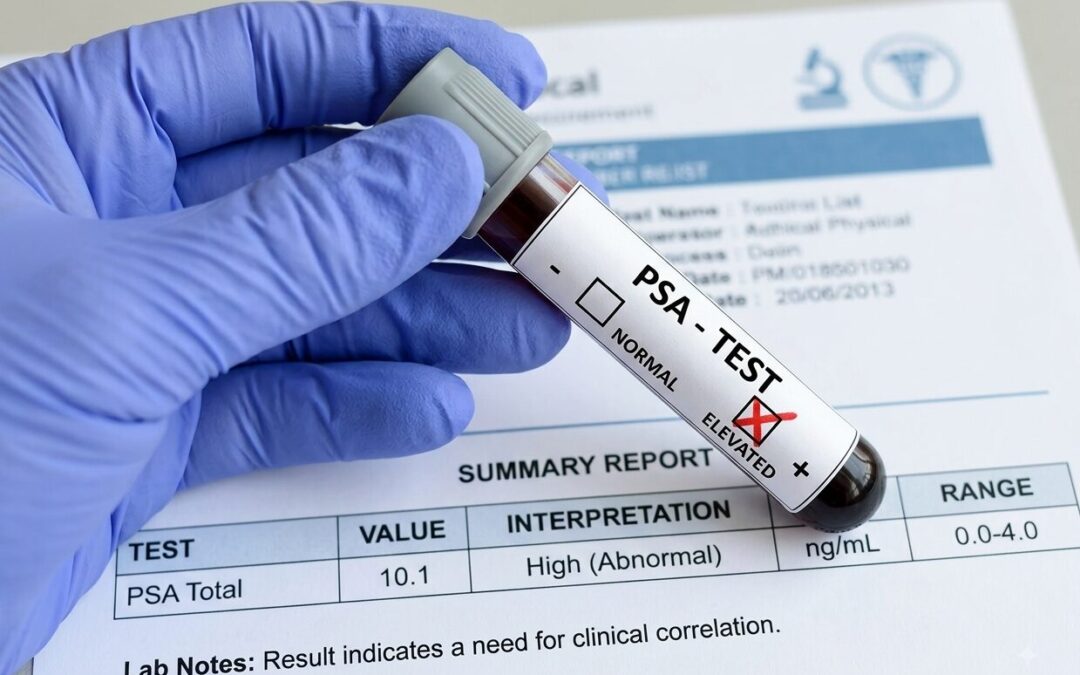
A PSA test is a simple blood test, checking the level of prostate-specific antigen, which is just a protein made by the prostate gland. Doctors use it mainly to screen for prostate cancer, though it also picks up other prostate issues that have nothing to do with cancer at all. Here’s the part that trips people up though. A higher number means a higher chance something’s wrong, sure, but it doesn’t prove cancer is actually there. PSA is a signal worth paying attention to, not a diagnosis sitting on a lab report.
Dr. Sandeep Nayak, who provides Best Cancer Treatment in Bangalore, sees the confusion around this test constantly. “Men get their PSA number back and either panic over a slightly elevated result or dismiss a genuinely concerning one because it’s not sky high. Neither reaction is quite right. PSA needs to be read in context, age, how it’s trending over time, whether there’s a family history, other prostate symptoms. A single number on its own tells you far less than most people assume.”
Got a PSA result and unsure what it actually means for you?
How Should PSA Numbers Actually Be Interpreted?
The number alone rarely tells the whole story.
Under 4 ng/mL is generally considered normal
Though even within this range, context still matters. Younger men with a lower baseline showing a rising trend can still warrant attention even if the absolute number looks fine. A prostate cancer consultation is worth considering when the trend is consistently upward regardless of where it starts.
4 to 10 ng/mL is often called the grey zone
This range doesn’t confirm cancer at all. Roughly one in four men in this range actually have prostate cancer, meaning the majority don’t but it does warrant closer evaluation rather than dismissal.
Above 10 ng/mL raises more concern
The likelihood of prostate cancer increases meaningfully here, though further testing is still needed to confirm rather than assume based on the number alone. An MRI and possible biopsy are the usual next steps at this level.
The trend over time matters as much as the single number
A PSA that’s been climbing steadily even while staying technically within a normal range can be more significant than a single elevated reading that’s otherwise stable. This is why uro-oncology follow-up with serial PSA testing matters more than a one-off result.
What Else Can Cause PSA to Rise Besides Cancer?
This is the part that gets lost when people focus only on the number itself.
Benign prostate enlargement. A very common condition in older men, causing the prostate to grow larger without any cancer involved, and this alone can push PSA higher.
Prostatitis. Inflammation or infection of the prostate can cause a temporary but sometimes significant PSA spike, often resolving once the underlying infection clears.
Recent ejaculation or vigorous exercise. Both can cause a temporary bump in PSA levels, which is part of why doctors sometimes recommend avoiding these in the day or two before testing.
Certain medical procedures. A recent prostate biopsy, catheter placement, or other procedures involving the prostate can elevate PSA temporarily, separate from any underlying cancer concern. Our blog on hormone therapy vs surgery for prostate cancer covers what happens once prostate cancer is actually confirmed and treatment decisions come into play.
Why Choose MACS Clinic for PSA Testing and Prostate Evaluation?
Dr. Sandeep Nayak’s team at MACS Clinic reads PSA results in full context rather than reacting to a single number in isolation. Age, trend over time, family history, and additional testing like a digital rectal exam or MRI all factor into understanding what an elevated PSA actually means for that specific patient.
For patients where further evaluation confirms prostate cancer, treatment planning considers the full clinical picture from the outset. Got a PSA result you want properly reviewed? Reach the team at +91 9482202240.
FAQs
Does a high PSA automatically mean cancer?
Not at all. Plenty of things push PSA up that have nothing to do with cancer, an enlarged prostate, an infection, take your pick. A high number just means more digging is needed, not that something’s definitely wrong.
How often should this test actually happen?
Depends who you ask, honestly, age, family history, personal risk all factor in. Better to talk it through with a doctor directly than assume there’s one schedule that fits everyone.
ICan the number look fine while cancer's still there?
Yes, and that catches people off guard. Some prostate cancers just don’t push PSA up much, so a normal reading isn’t a guarantee, especially if other risk factors are in the picture.
What comes next after a high result?
Usually more digging. Sometimes a repeat test just to see where the trend’s heading, an MRI, maybe a biopsy if things point that way. What happens exactly depends on the number itself plus age and everything else going on.
Disclaimer: This content is published for educational and informational purposes only.