
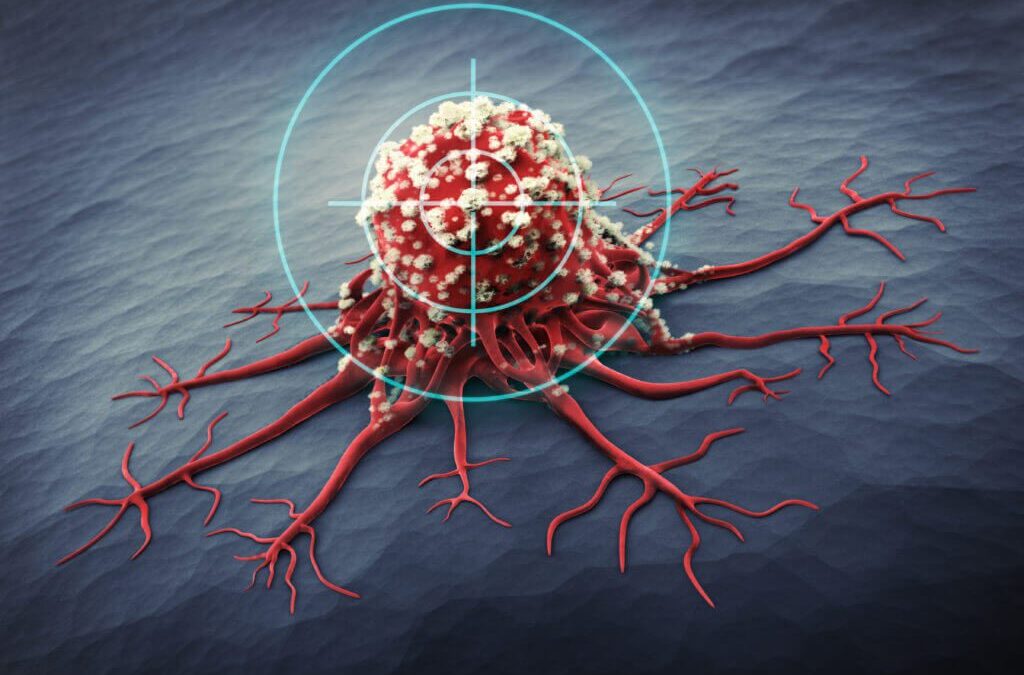
Targeted therapy blocks specific proteins or gene mutations that a particular cancer uses to grow while chemotherapy kills all rapidly dividing cells regardless of whether they belong to the tumor or not. Targeted drugs work only when the tumor carries a mutation the drug was designed against. Without that mutation the drug does nothing useful and chemo still treats more cancers worldwide than targeted agents do.
According to Dr. Sandeep Nayak, Best cancer treatment in Bangalore,
“We can finally hit the lock instead of smashing the whole door down. Problem is plenty of tumors don’t have that lock. Without molecular profiling you’re prescribing blind and blind prescribing in oncology costs people months they won’t get back.”
Right treatment starts with knowing what your tumor is actually made of.
How Are They Different ?
Both destroy cancer cells. How they do it and what collateral damage they leave behind is where the two part ways.
- Mechanism: Chemo poisons cell division machinery taking out hair, gut lining, bone marrow alongside the tumor. Targeted therapy goes after one specific protein the cancer depends on and leaves most normal cells alone.
- Side effects: Chemo causes hair loss, nausea, mouth sores, crashed immunity. Targeted drugs cause skin rash, loose motions, liver enzyme spikes on blood reports. Easier to live with but nobody should call them harmless.
- Selection: Any oncologist can start chemo without molecular tests first. Targeted therapy needs a lab report confirming the exact mutation before the first tablet makes sense. Skip that step and you’re spending lakhs on a drug your cancer was never going to respond to.
- Duration: Chemo runs fixed cycles then stops, cancer frequently returns after. Targeted therapy continues daily for months or years until the cancer figures out a bypass and the drug stops holding.
Molecular profiling through precision oncology tells your oncologist which category your tumor falls into before anyone writes a prescription.
When Does Targeted Therapy Win ?
Not always. But when tumor biology lines up with the right drug the difference isn’t marginal, it’s a completely different disease trajectory.
- EGFR lung cancer: Osimertinib gives 70% response lasting 18-22 months in EGFR-mutant non-smokers. Same patient on chemo gets maybe 35% for 5 months. One mutation test costing a few thousand rupees changed the entire treatment story.
- HER2 breast cancer: Trastuzumab flipped HER2-positive from worst subtype to genuinely good outcomes. But only if someone tested for HER2 first. The drug exists, the test exists, skipping the test means the patient never finds out she qualified.
- BRAF melanoma: Dabrafenib plus trametinib hits 60% response in BRAF V600E patients while chemo barely manages 15%. BRAF-negative melanoma gets absolutely nothing from these drugs. Wrong mutation status, wasted time, wasted money.
- CML: Imatinib turned a fatal blood cancer into a daily tablet. People who would’ve died in five years now live full normal lifespans. Probably the most dramatic proof that matched biology changes everything.
Knowing how robotic parotidectomy delivers better results through precision access helps explain why matched molecular therapy works the same way through precision drug selection.
Why Choose MACS Clinic?
Dr. Sandeep Nayak’s team at MACS Clinic runs molecular profiling on tumor tissue before systemic treatment starts. Medical oncologist, surgical oncologist, pathologist sit in the same room looking at the same report deciding which drug matches your cancer’s biology.
Treatment decision follows the tumor profile not the hospital formulary. Difference between those two starting points is the difference between getting the right drug first time and cycling through wrong ones until something accidentally works.
FAQs
Does every cancer patient need molecular testing?
Not all, but cancers with known targetable mutations should always get profiled.
Is targeted therapy less toxic than chemotherapy?
Generally milder but not harmless, side effects depend on the specific drug.
Can targeted therapy and chemotherapy be combined?
Yes, many protocols combine both for better response in specific cancers.
How long does targeted therapy treatment last?
Months to years depending on response and when resistance develops.
References
- Targeted therapy in cancer treatment — National Cancer Institute
- Molecular profiling for cancer drugs — World Health Organization