
Can Cancer Return After Complete Remission?
Getting to remission is a huge moment. Scans clear. Symptoms gone. Treatment ends. But remission and cure aren’t the same thing and that’s the part nobody really explains well. Complete remission means no cancer can be detected, not that every single cell...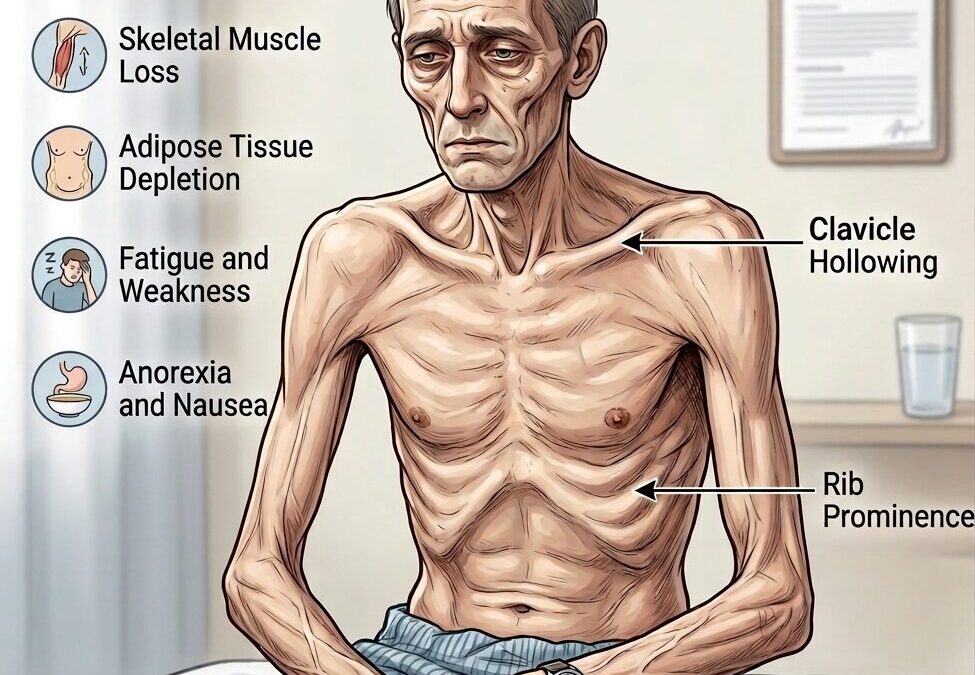
What Is Cachexia in Cancer Patients?
Families notice it first the patient is eating and still losing weight, arms getting thinner, energy disappearing faster than it should. Pushing more food, more protein shakes, more calories rarely works the way anyone hopes. That’s because cachexia isn’t...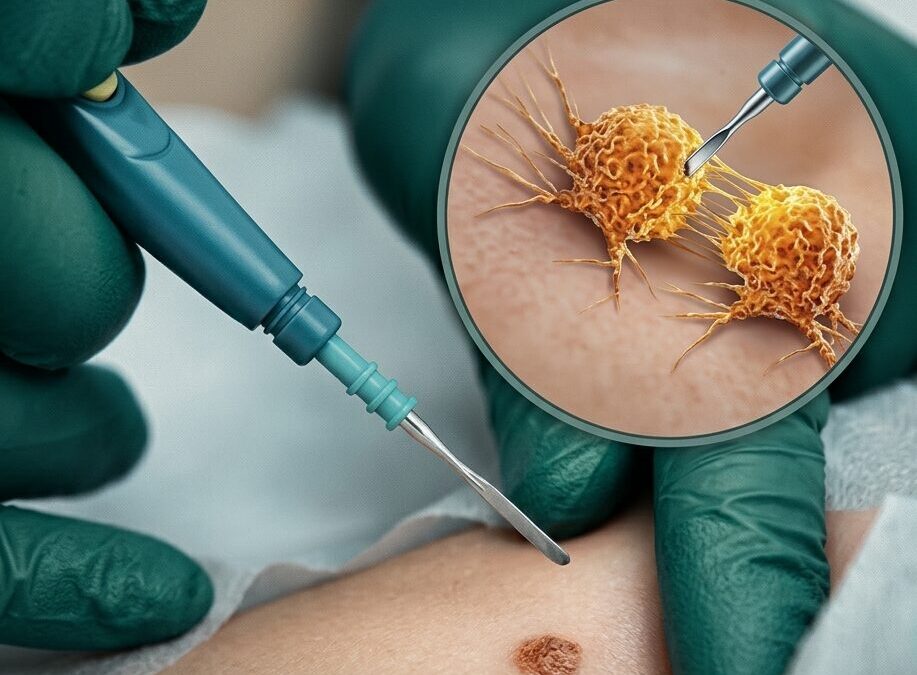
Can a Biopsy Cause Cancer to Spread?
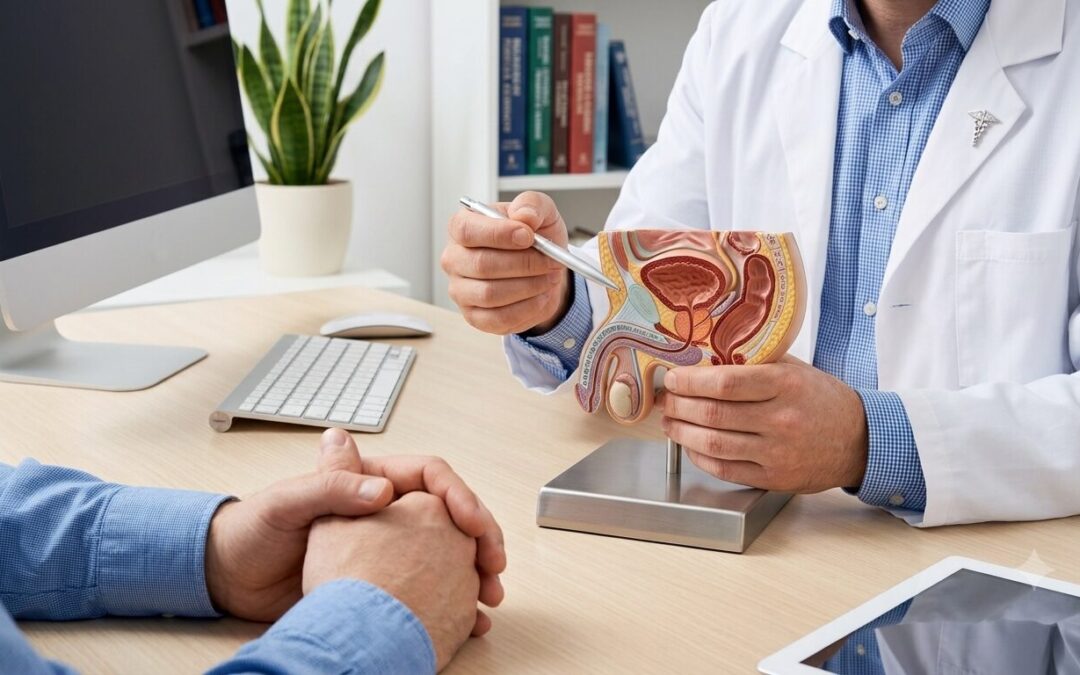
Most patients who come in afraid of a biopsy aren’t afraid of the procedure itself they’re afraid of what it might do to the tumour. What if the needle disturbs it? What if it travels somewhere else? It’s a reasonable fear, and it’s wrong....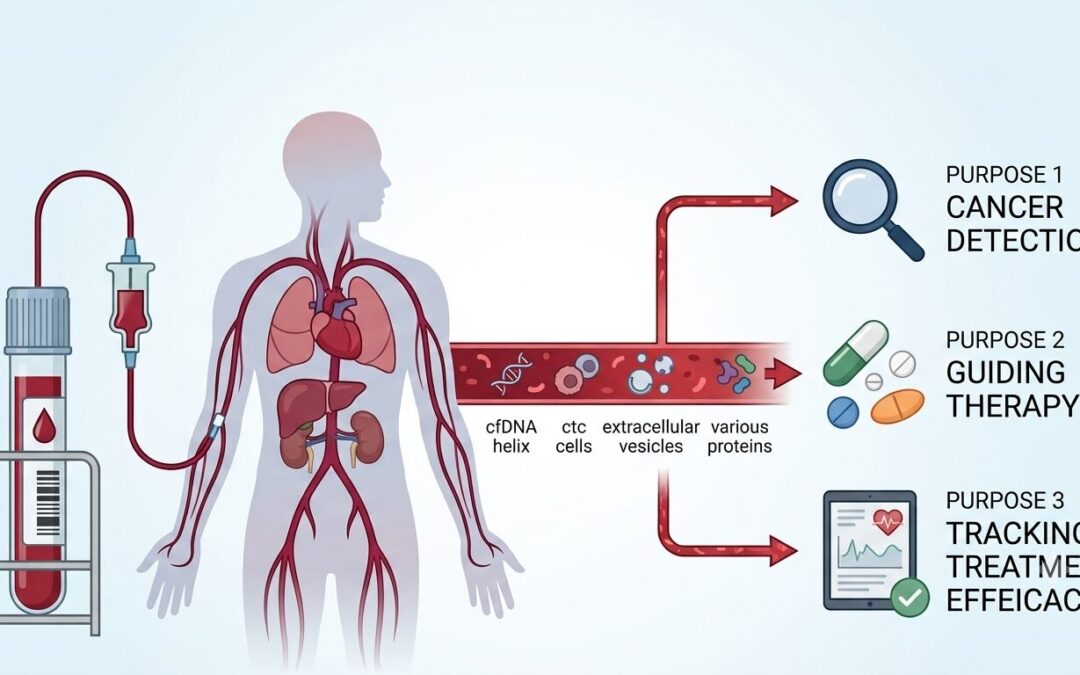
What Is Liquid Biopsy in Cancer Diagnosis?
A surgeon or radiologist would take a piece of tissue, send it to a lab, and wait. That’s still how most cancer diagnoses are confirmed and it works. But it has real limitations. Some tumours are in places that are hard to reach. Some patients are too unwell for...