
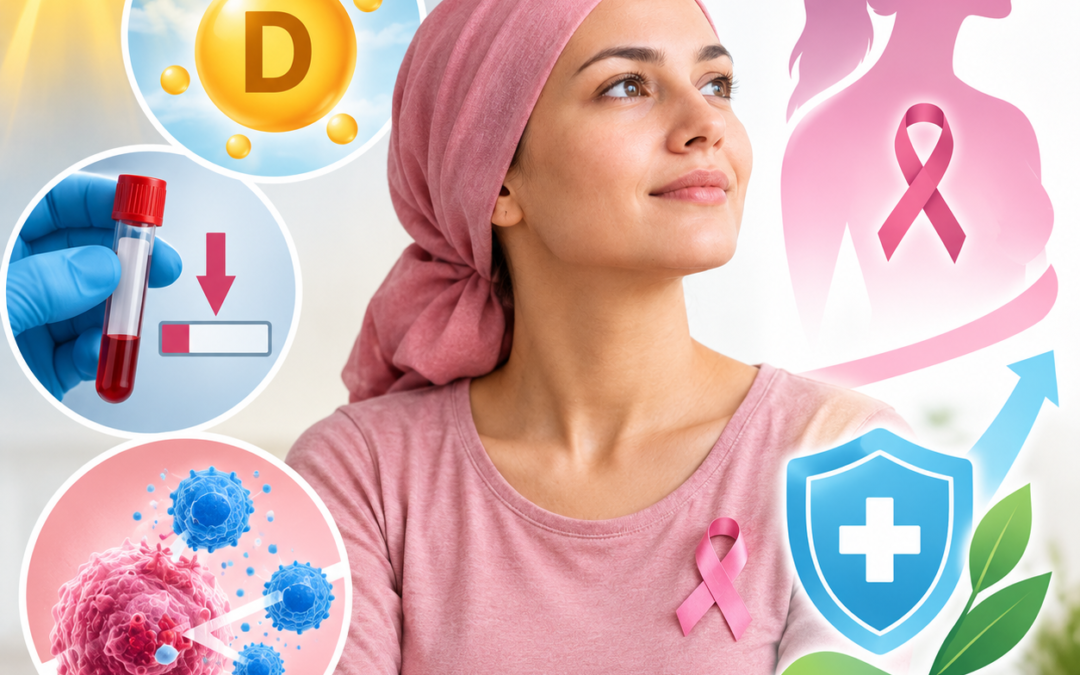
Can Vitamin D Deficiency Affect Breast Cancer Recovery?
Yes, and it’s not a small thing. Low vitamin D can drag on breast cancer recovery in a few real ways. It’s been linked to a higher chance of the cancer spreading, rougher treatment side effects, and poorer survival overall. None of that means a supplement...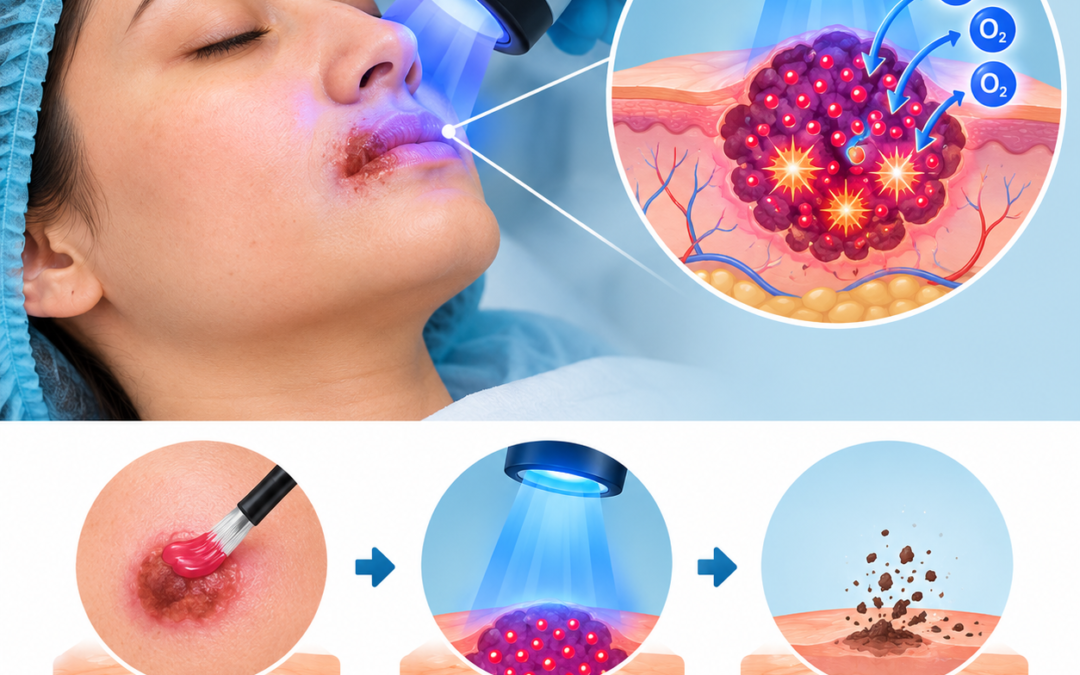
What Is Photodynamic Therapy for Skin Cancer?
Photodynamic therapy is a treatment that combines a light-sensitive drug with a specific type of light to target abnormal or cancerous cells. The drug is applied to the skin or given to the patient, where it tends to collect more in abnormal cells. Once the area is...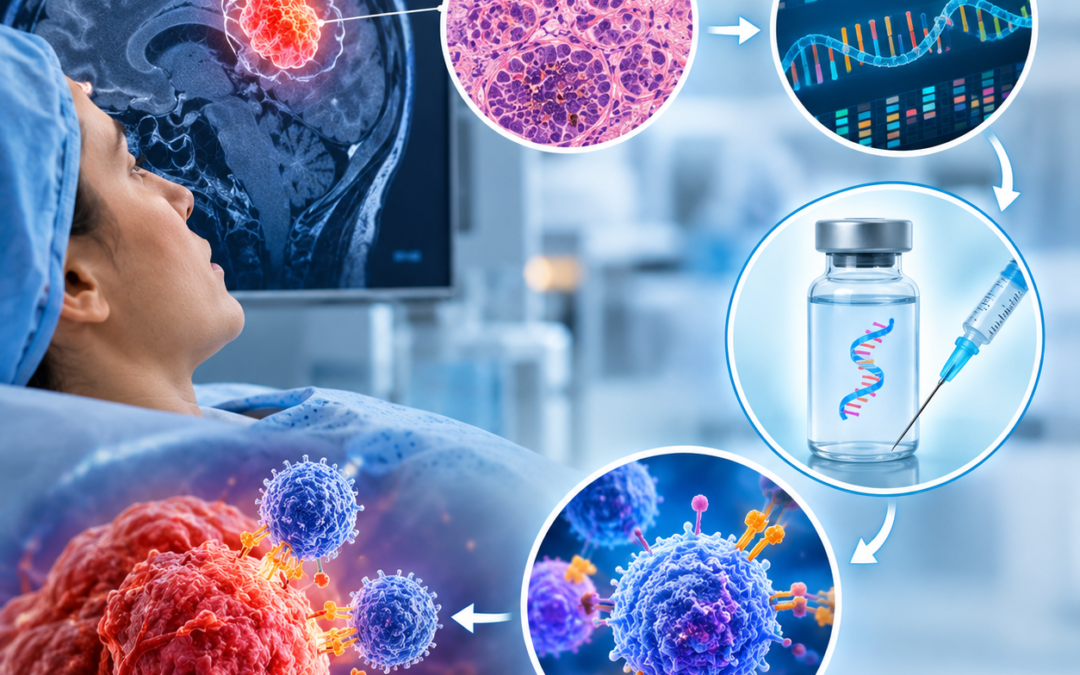
Can a Personalized mRNA Vaccine Treat Glioblastoma?
Yes, there’s genuine promise here, though promise and proven aren’t the same thing. Personalized mRNA vaccines are showing encouraging early results in clinical trials for glioblastoma, one of the hardest cancers to treat, but they remain investigational....