

Blogs
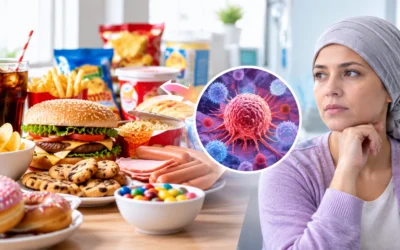
Can Ultra-Processed Foods Actually Cause Cancer?
Not quite, and that word cause matters more than people realize. Ultra-processed foods are consistently linked to higher cancer risk, that part's...
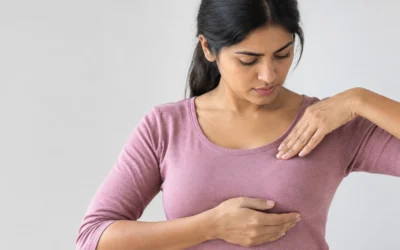
Should You Consider Removing the Healthy Breast Too?
This comes down to a procedure called contralateral prophylactic mastectomy, removing the unaffected breast alongside the one being treated for...
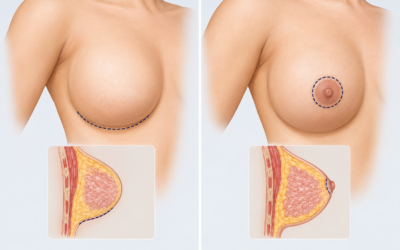
Skin-Sparing vs Nipple-Sparing Mastectomy: Difference?
The core difference comes down to one thing, whether the nipple and areola stay or go. A skin-sparing mastectomy preserves the breast skin envelope...
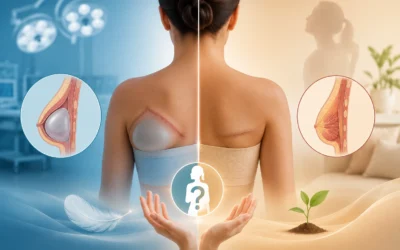
Immediate vs Delayed Breast Reconstruction: Which Is Right?
Immediate reconstruction happens in the same operation as the mastectomy, one surgery, one recovery. Delayed reconstruction happens as a separate...
Robotic vs Laparoscopic Gallbladder Cancer Surgery
Both approaches use small incisions, that part's the same. What actually separates them is what happens once the instruments are inside. Robotic...
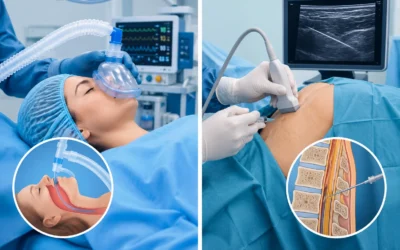
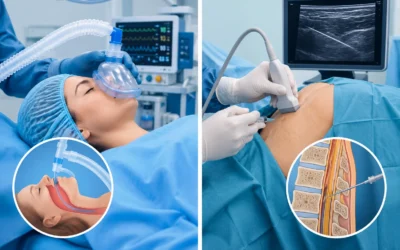
General vs Regional Anesthesia for Cancer Surgery?
General anesthesia makes you completely unconscious for the operation, no awareness, no memory of it happening. Regional anesthesia numbs a specific...
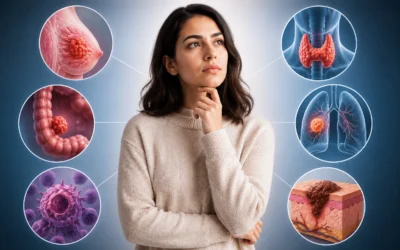
What Cancers Are Most Common in People Under 50?
Breast cancer, colorectal cancer, and thyroid cancer top the list for adults under 50, and all three have something in common besides the age group,...
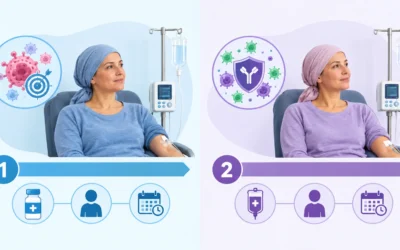
First-Line vs Second-Line Chemotherapy:Difference?
First-line chemotherapy is the initial treatment given right after diagnosis, the regimen considered the best standard option for that specific...
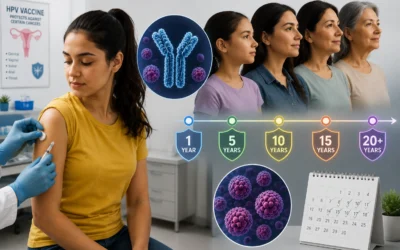
How Long Does HPV Vaccine Protection Actually Last?
Longer than most people assume, is the short version. The vaccine's been around long enough now that researchers have been able to follow the same...